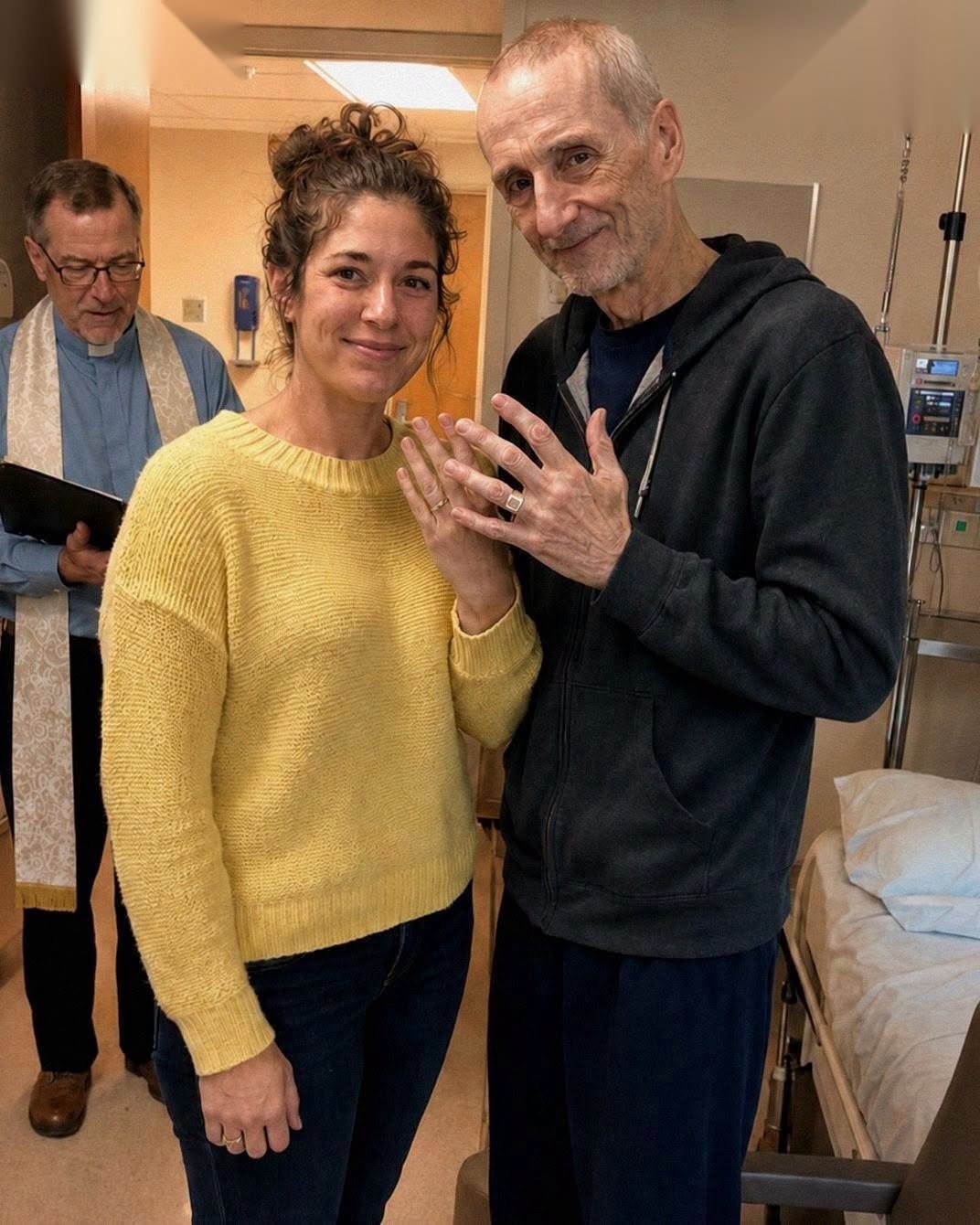

I thought I’d married a lonely old man who couldn’t bear to die without a hand to hold. Instead, the notebook in his backpack revealed a life spent noticing everyone but himself. He had stood at bus stops and laundromats and hospital doors, quietly recording the instant a stranger chose to keep going. He hadn’t been hoarding mementos. He’d been gathering proof that small, invisible choices mattered.
In the end, his only request was wordless: that I keep walking back into life. His list for “After Tuesday” wasn’t a bucket list; it was a map out of paralysis—gardens, markets, ice cream, ducks that didn’t care I existed. I began to understand. Thomas hadn’t married me so he wouldn’t die alone. He married me so I’d have one person, just once, who stayed long enough to see me step out of my grief—and then trusted me to notice others, too.