
42.38 Acres in West Virginia With a Rustic Cabin and Creek Frontage Listed for $75,000
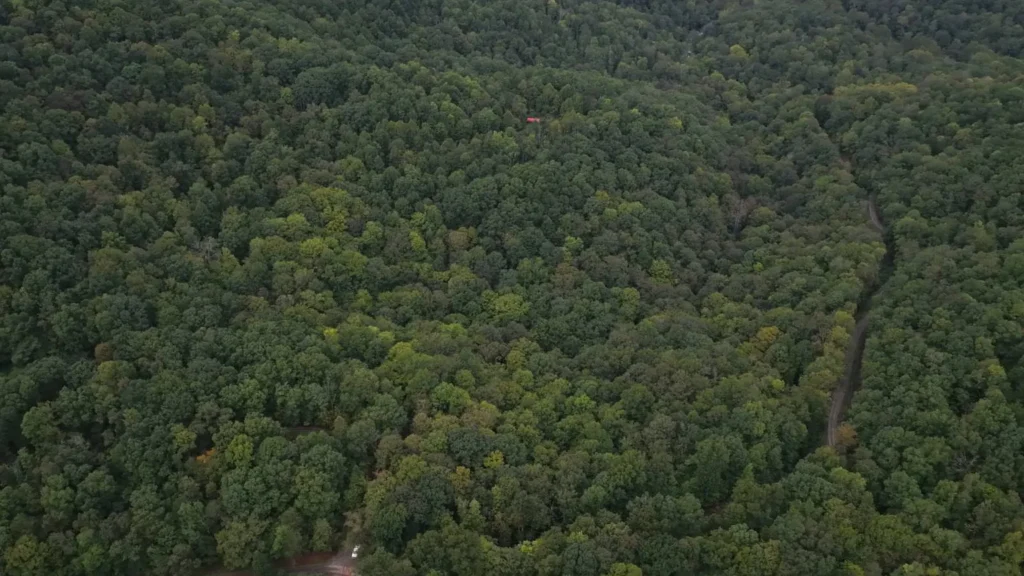
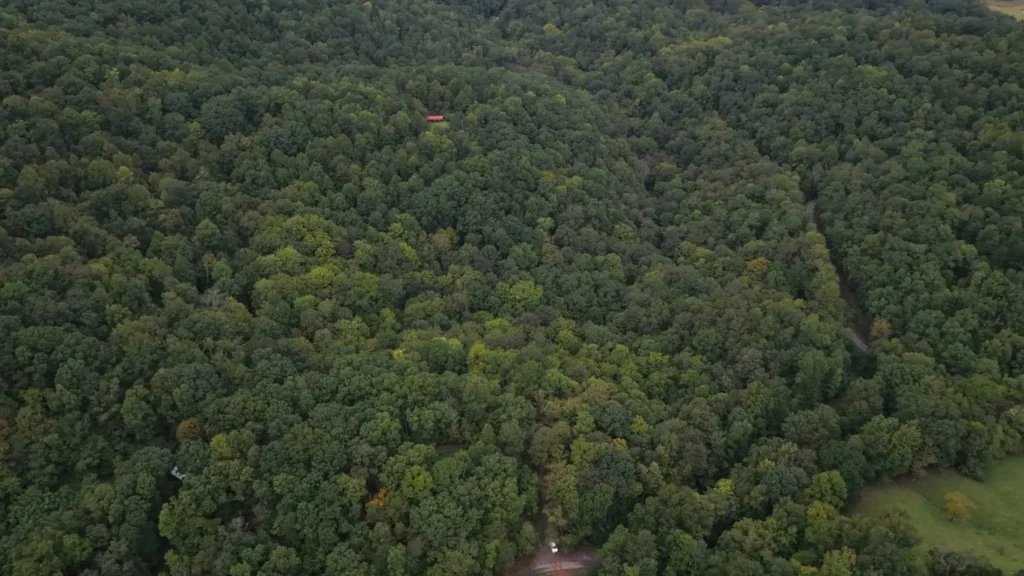
Finding more than 40 acres of mountain land for under $80,000 can attract buyers looking for a hunting property, a seasonal getaway, or a possible future homestead. A listing on Lick Run Road in Sand Fork, West Virginia, offers that combination, with a small cabin, gated access, and frontage along Sycamore Run.
The property is listed for $75,000 and includes approximately 42.38 acres in Gilmer County. Based on the asking price and stated acreage, the land costs about $1,770 per acre. That calculation offers a useful starting point for comparing properties, but it does not establish market value or account for the condition of the cabin, access requirements, terrain, or any existing mineral and gas agreements.
According to the supplied listing information, the property was listed on September 24, 2026, through My State MLS under listing number 11997622. Buyers should confirm the current listing status, asking price, parcel details, and disclosures before making a decision.
A Mountain Property With an Existing Cabin
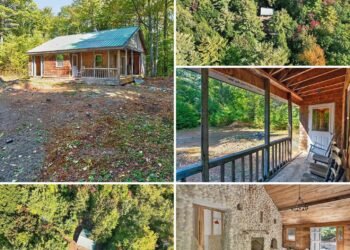
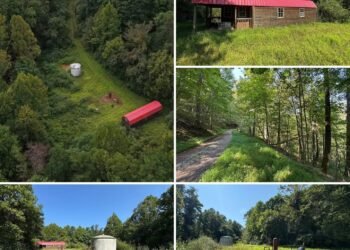
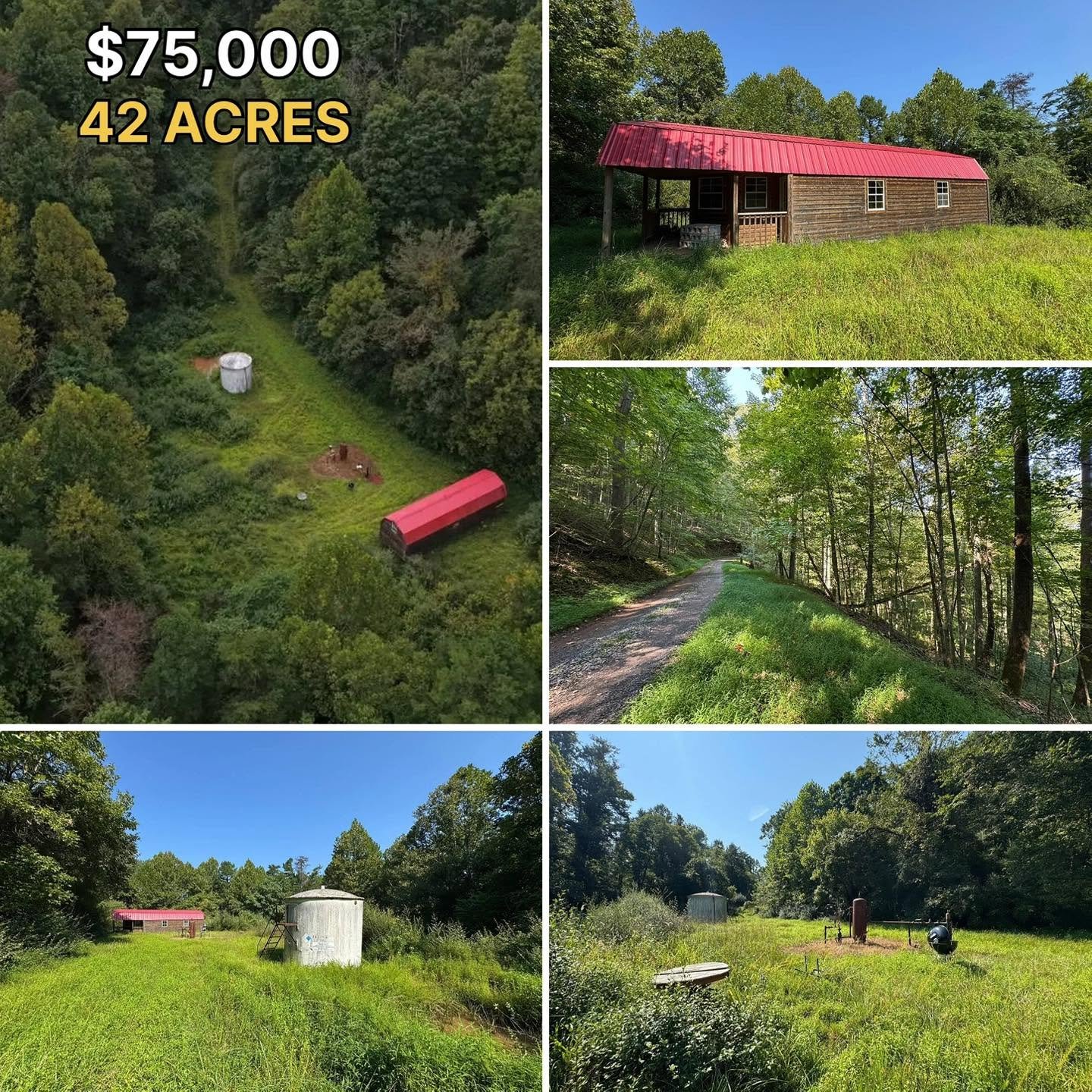
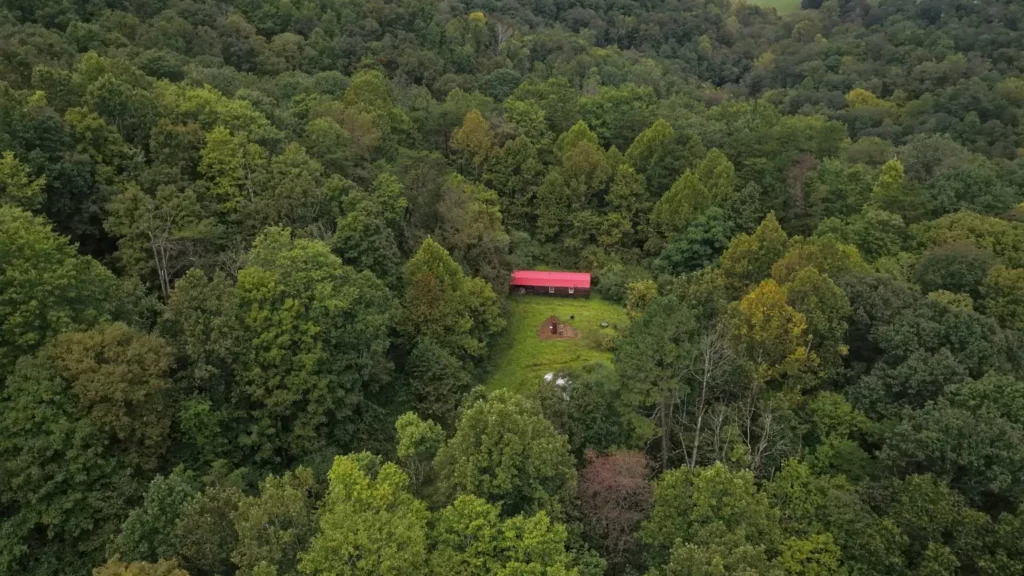
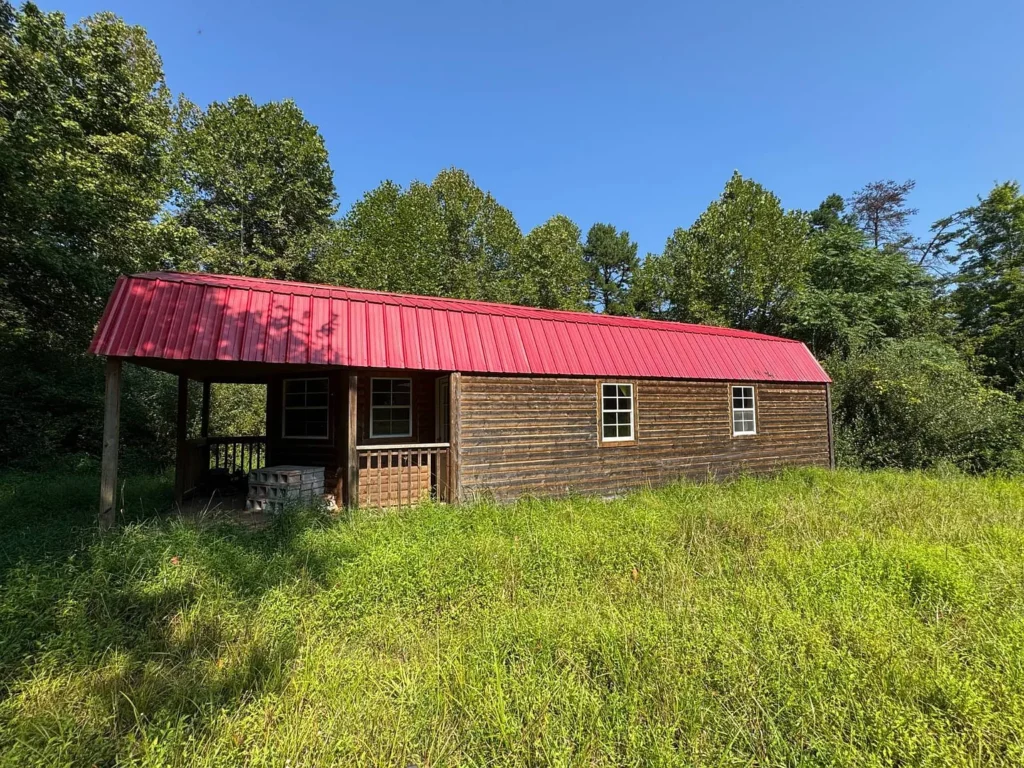
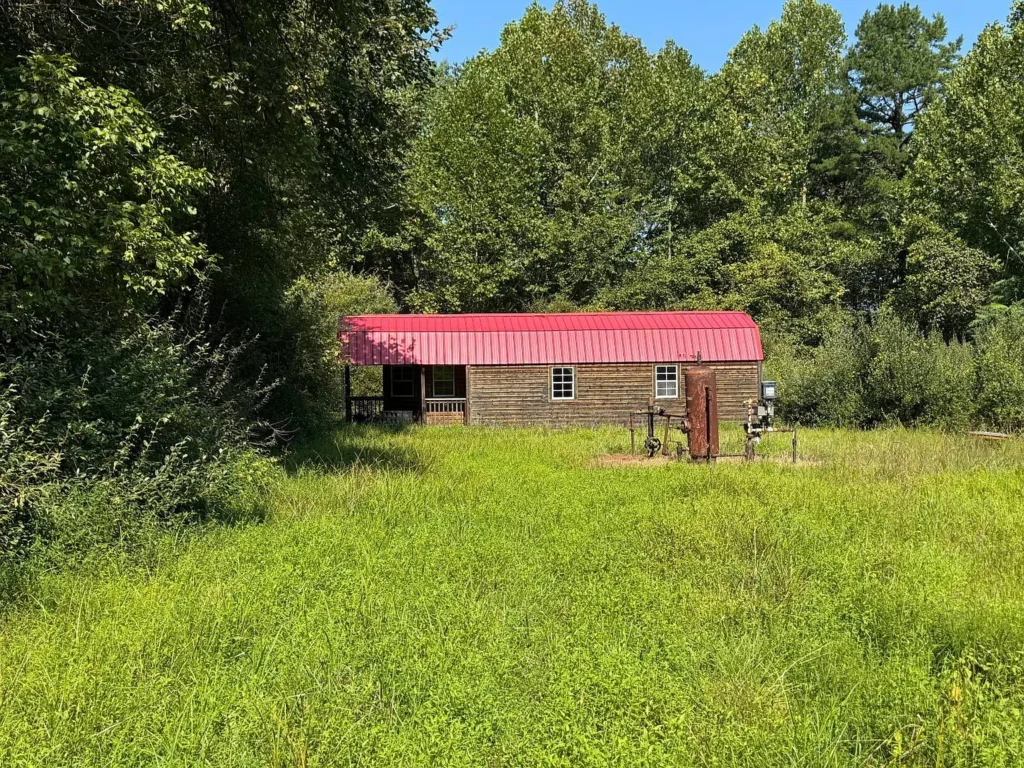
One of the property’s main features is a small, wood-sided cabin with a gambrel-style roof and red metal roofing. The structure sits on a cleared, relatively flat area in the valley and has a covered front porch and multi-pane windows.
For someone seeking a place to spend weekends outdoors, an existing cabin may provide a useful starting point. It could potentially serve as a base for hunting trips, camping, or exploring the surrounding acreage, depending on its actual condition and permitted use.
However, the available description does not establish whether the cabin is suitable for year-round occupancy. Buyers should inspect its roof, foundation, framing, windows, flooring, and any electrical or plumbing systems. They should also confirm whether the structure has permits, meets applicable requirements, and can legally be used for the buyer’s intended purpose.
A cabin’s presence does not automatically mean that a property is move-in ready or equipped for full-time living. If the building has no functioning utilities or requires repairs, those expenses could substantially affect the overall cost of ownership.
Gated Access and a Cleared Basecamp
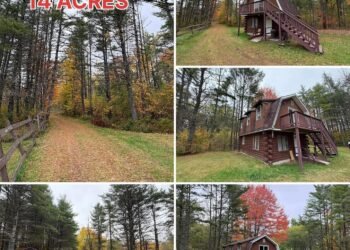
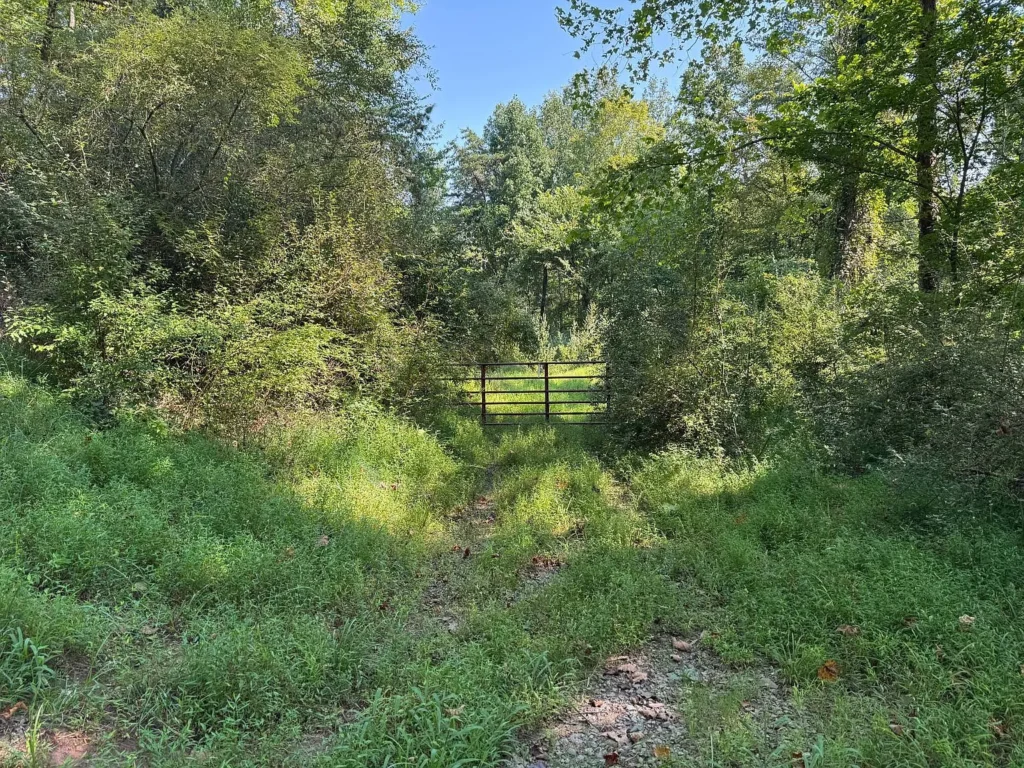
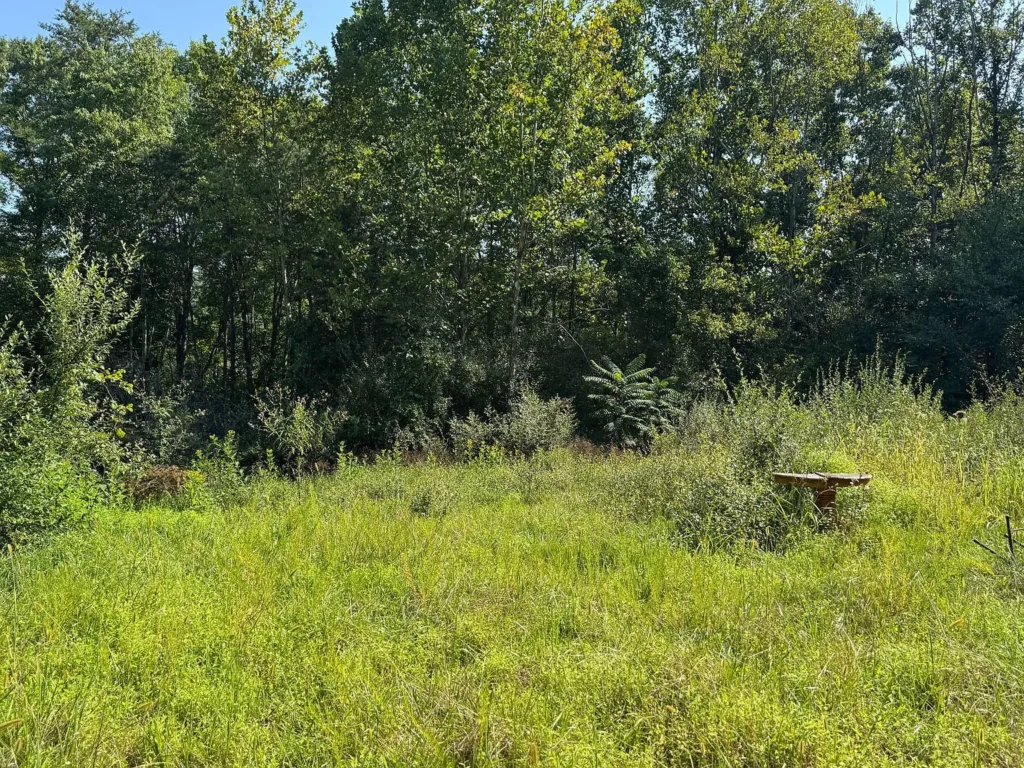
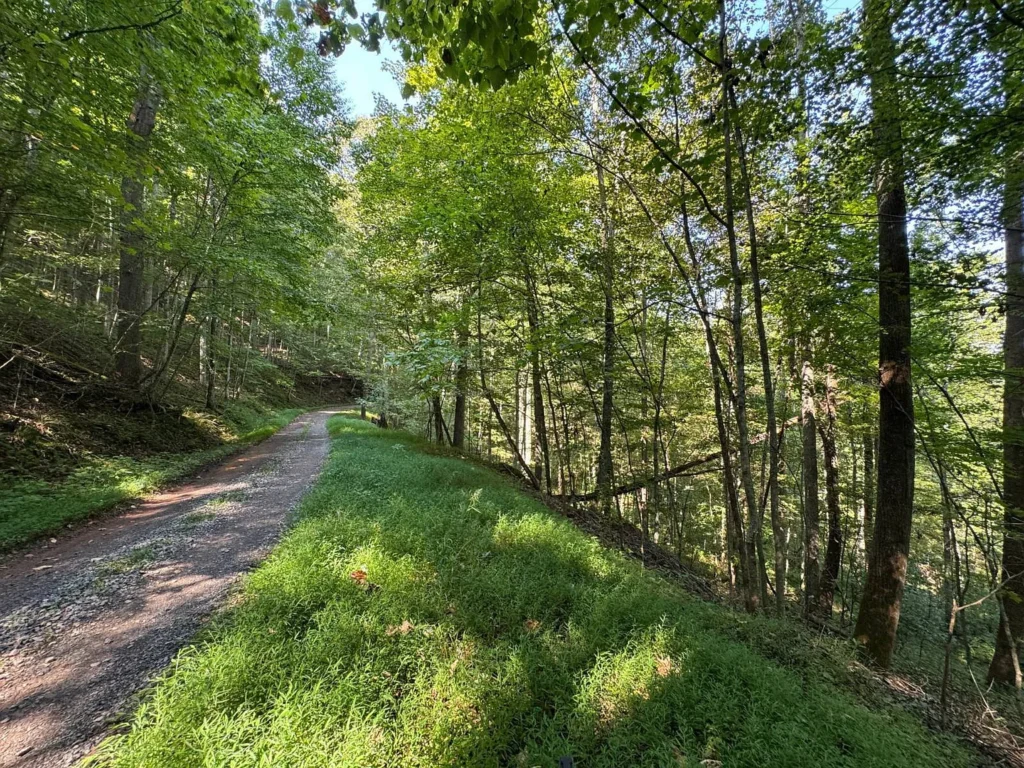
The property reportedly has a gated entrance off Lick Run Road, followed by a gravel or dirt access road leading through wooded terrain to the main clearing.
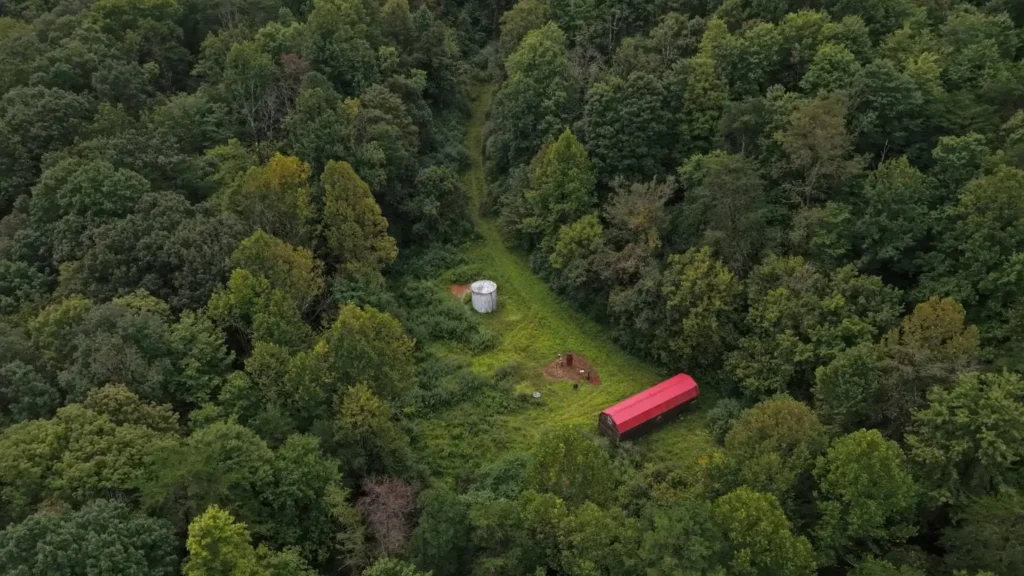
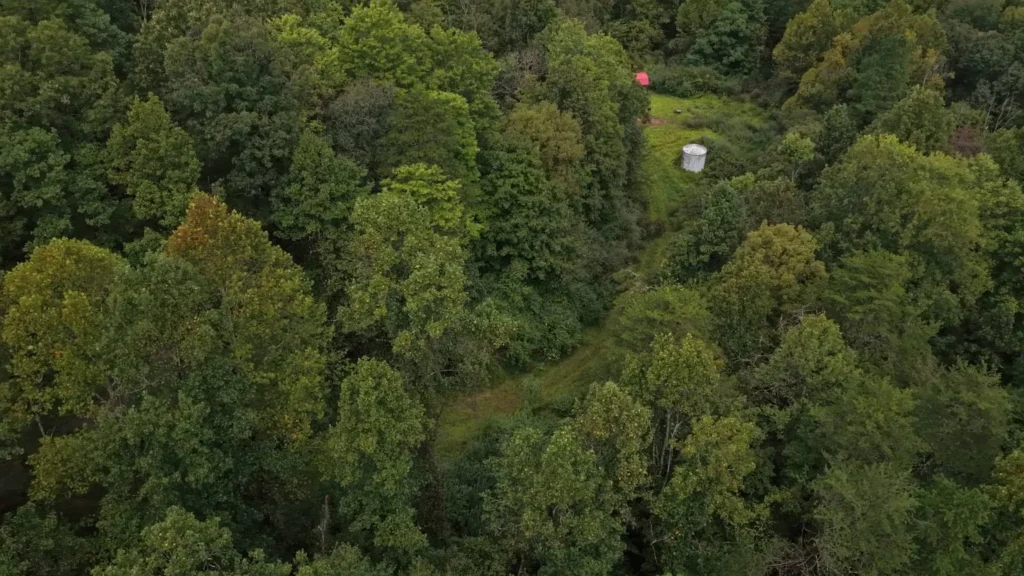
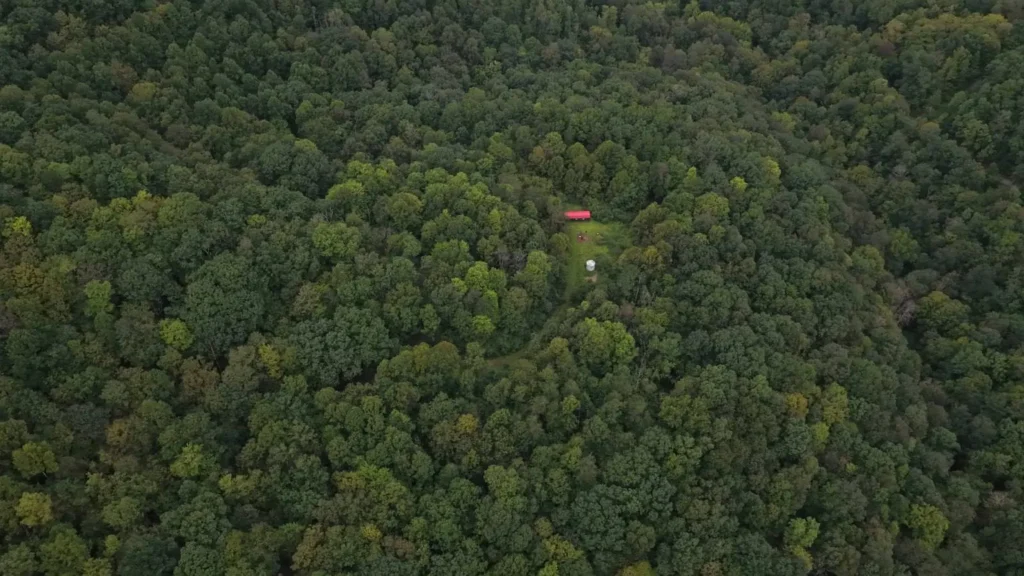
Having an established entrance and driveway can be useful when compared with undeveloped land that requires a new access route. The cleared bench also provides an existing open area within an otherwise wooded mountain setting.
Still, buyers should evaluate the driveway in person. Dirt and gravel roads can become difficult to navigate during heavy rainfall, periods of mud, or winter weather. The condition of the road, its slope, drainage, maintenance responsibilities, and suitability for emergency or service vehicles all deserve attention.
It is also important to establish whether access is legally documented and whether any easements or shared-road arrangements affect the property. A visible driveway is not, by itself, proof of permanent legal access.
Sycamore Run Frontage and Natural Surroundings
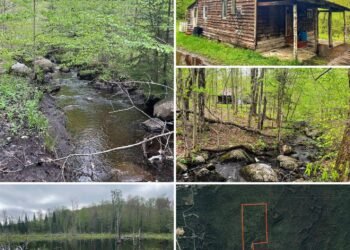
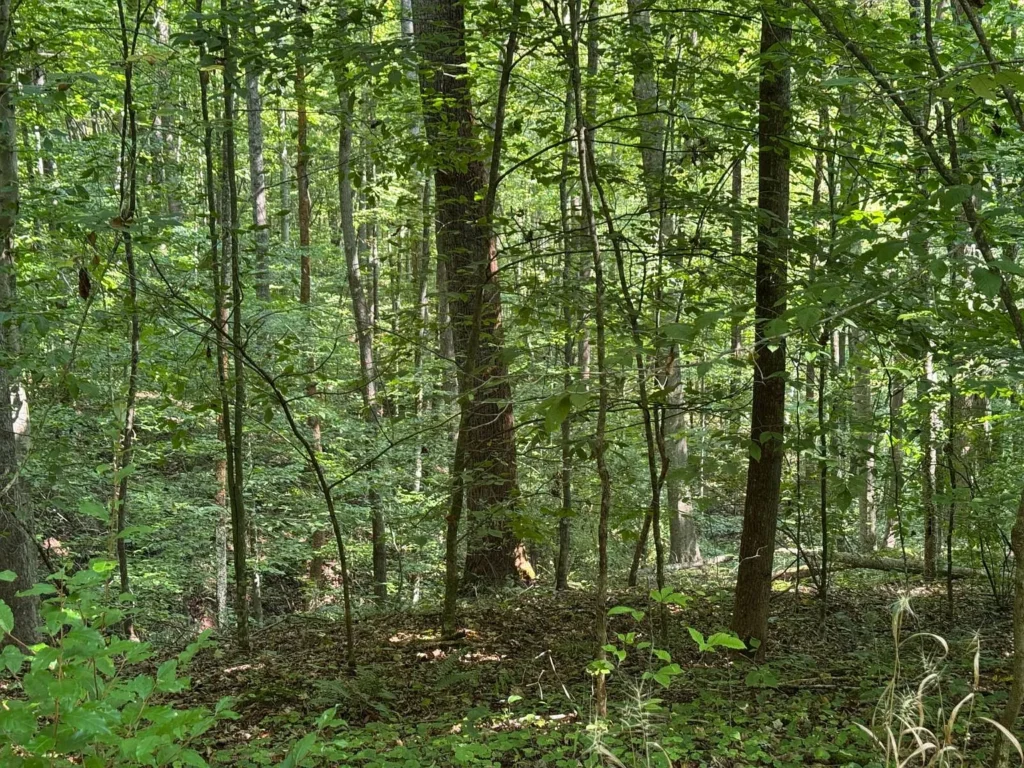
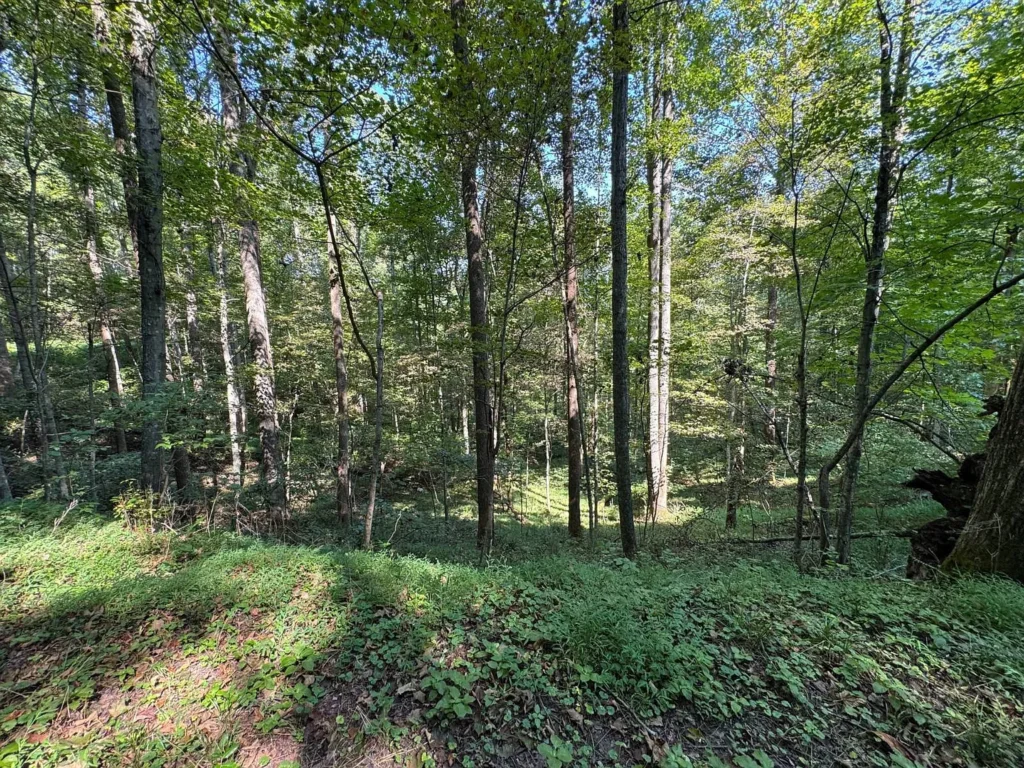
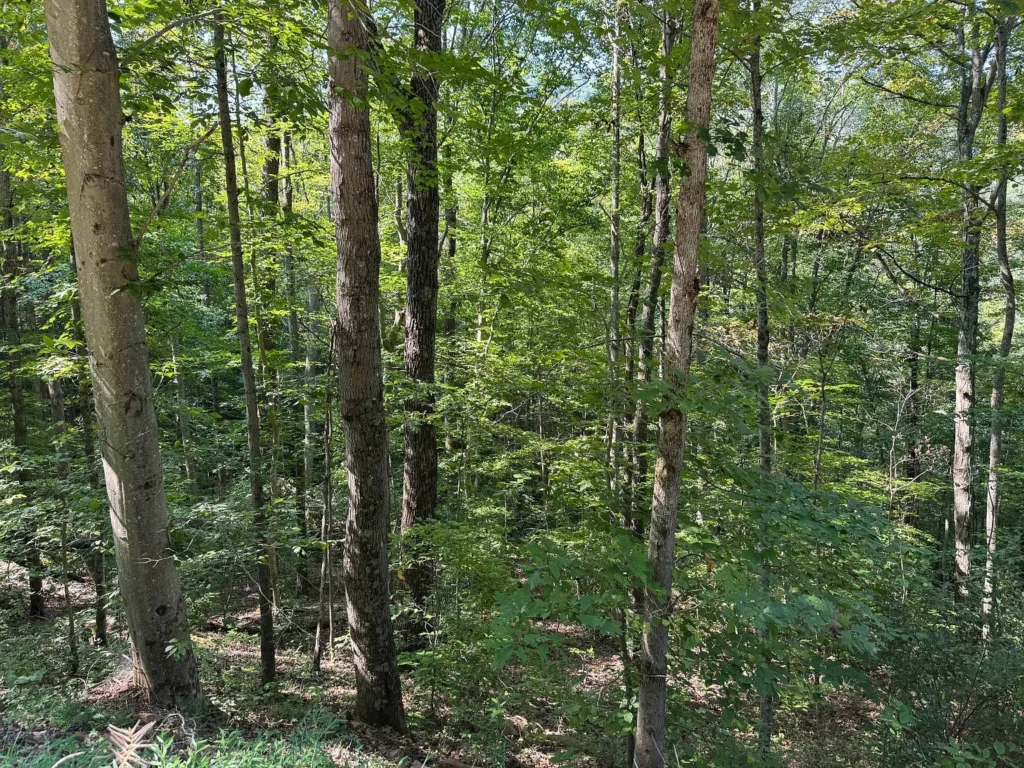
Another notable feature is the reported frontage along Sycamore Run. A stream can add recreational appeal and create habitat for wildlife, while the surrounding woods may interest buyers who enjoy hiking, observing nature, or spending time away from developed areas.
The property’s combination of a wooded landscape, water frontage, and a cleared cabin site may be particularly appealing to buyers seeking a private outdoor retreat.
However, stream frontage also calls for careful evaluation. Buyers should examine flood maps, drainage patterns, erosion, and the elevation of the cabin and access road. Flood risk can vary significantly over a short distance, and a property near a stream may have restrictions affecting construction, septic systems, or other improvements.
The presence of surface water should not be interpreted as proof of a safe or approved domestic water supply. Anyone planning to use stream water for household purposes would need to investigate treatment, testing, permitting, and applicable health requirements.
Electricity Nearby, but Connection Costs Need Confirmation
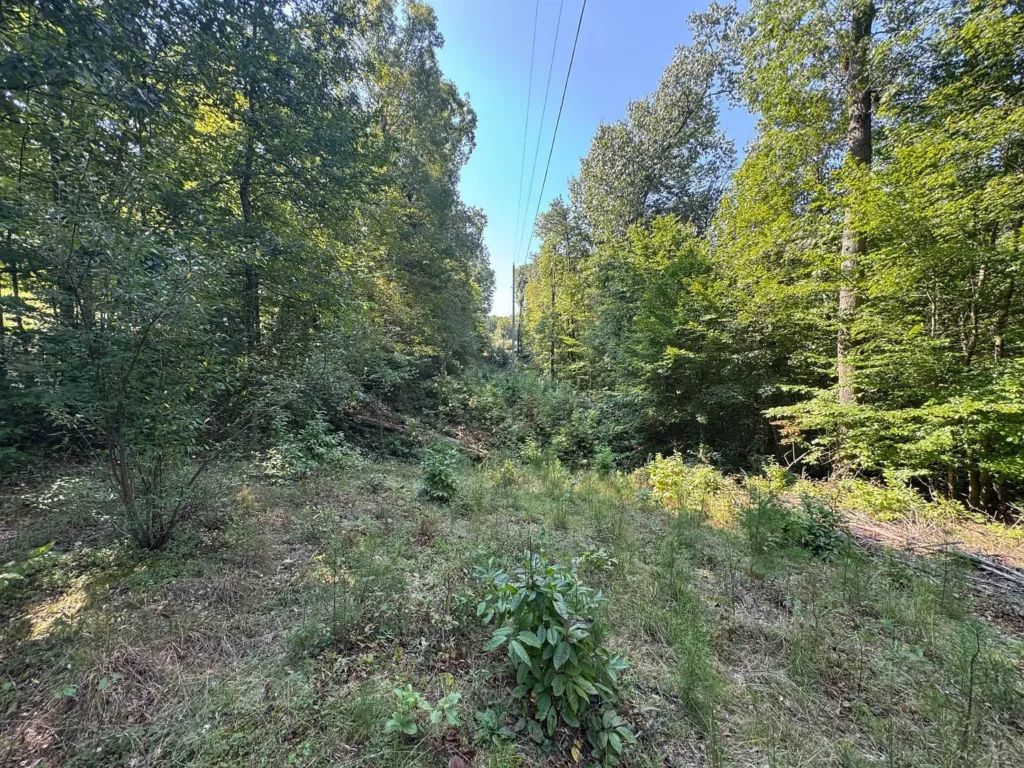
The listing information indicates that electric power lines run near the Sycamore Run boundary. This may be helpful for a buyer who wants to explore connecting the cabin or a future building to the electrical grid.
Nevertheless, nearby power lines do not guarantee that a connection is straightforward or inexpensive. The actual cost can depend on the distance to the proposed service point, terrain, poles or equipment required, easements, utility policies, and the amount of power requested.
Buyers should contact the relevant electric utility to confirm service availability, obtain a connection estimate, and determine whether additional infrastructure would be needed to reach the cabin.
An off-grid or hybrid system could also be considered, but solar panels, batteries, generators, and associated equipment would introduce their own upfront and maintenance costs. The best approach depends on the intended use of the property and the level of electricity required.
Existing Natural Gas Well Equipment Requires Investigation
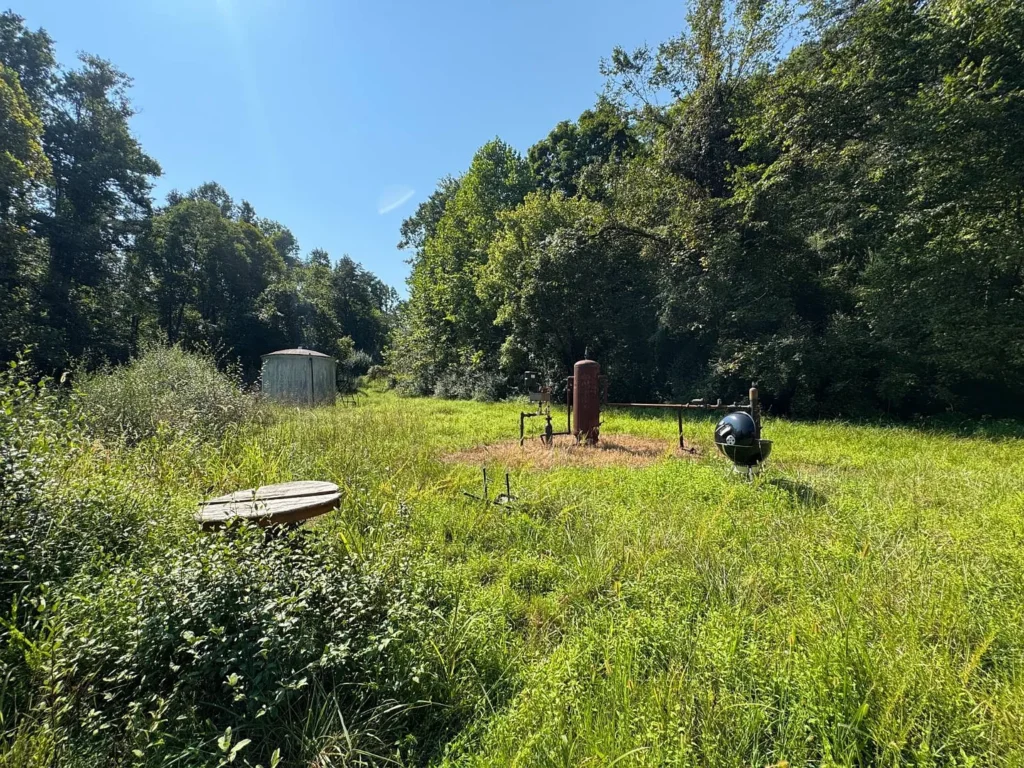
The supplied description and property photographs reportedly show natural gas wellhead equipment, meters, and collection tanks in the clearing near the cabin. This is an important detail that prospective buyers should investigate before purchasing.
The presence of gas-related infrastructure raises questions about mineral ownership, existing leases, surface-use agreements, easements, equipment access, and maintenance responsibilities. It does not establish that the buyer would own the gas rights, receive royalty income, or be permitted to use the gas for household purposes.
A title search and review of recorded documents can help establish which rights transfer with the property and whether existing agreements affect its use. Buyers should request copies of any available gas leases, surface-use agreements, and related documents, then have them reviewed by a qualified real-estate or mineral-rights professional where appropriate.
It is also sensible to clarify who is responsible for the equipment, whether operators have rights to enter the property, and whether any restrictions apply to building, excavation, or other activities near the infrastructure.
These questions may be especially important for anyone planning to build a permanent residence or create a more developed recreational property.
What Does the $75,000 Asking Price Mean?
At the stated price of $75,000 for 42.38 acres, the asking price works out to approximately $1,769.70 per acre.
That figure is useful for comparing the asking price with other land listings, but a meaningful comparison requires properties with similar access, topography, utility availability, water features, improvements, and legal conditions.
The supplied information refers to a regional benchmark of $2,150 per acre. If that figure is accurate and directly comparable, the subject property’s asking price would be about 17.7% lower. However, the source and methodology behind that benchmark have not been established here, so the percentage should not be treated as a verified market discount.
The cabin, gated entrance, cleared area, and stream frontage may add practical appeal, but their contribution to value depends on their condition, legal status, and usefulness to a particular buyer. The gas well equipment and any associated agreements could also affect the property’s desirability.
Rather than assuming the property is a bargain based solely on its price per acre, buyers should compare recent local sales and estimate the costs of inspections, repairs, access maintenance, utility connections, and any planned improvements.
Annual Property Taxes and Ongoing Expenses
The supplied listing information reports annual property taxes of approximately $748, equivalent to about $62 per month when divided across a full year.
That figure should be confirmed with the relevant county tax office because tax amounts can change and may depend on assessment details, exemptions, or changes in ownership.
Property taxes are only one part of the ongoing cost. Owners may also need to budget for driveway maintenance, vegetation management, cabin repairs, insurance, security, utilities, and any responsibilities associated with existing gas infrastructure.
If the property is intended for occasional use, travel and upkeep may also add to the total cost. Buyers should consider these expenses alongside the purchase price before deciding whether the land fits their budget.
Who Might Consider This Property?
The acreage may appeal to several types of buyers, although its suitability depends on the details confirmed during due diligence.
Hunters and outdoor enthusiasts may appreciate the wooded terrain, stream frontage, and existing cabin as a potential base for recreational trips. Buyers should verify hunting regulations, legal access, and any applicable restrictions.
Buyers seeking a seasonal retreat may be interested in the existing clearing and rustic structure. The cabin’s condition, road accessibility, water arrangements, and electrical options will help determine how practical it is for regular visits.
Off-grid or homestead-minded buyers may see potential in the acreage, particularly if they want to investigate a combination of solar power, other utility options, and a modest cabin. However, full-time residential use should not be assumed until water, wastewater, access, zoning, building requirements, and utility feasibility have been confirmed.
Land buyers focused on long-term ownership may also consider the property’s size and natural features. As with any rural parcel, future value depends on local market conditions, land-use rules, access, and the property’s physical and legal characteristics.
Essential Due Diligence Before Buying
Before submitting an offer, prospective buyers should investigate several important issues:
- Title and mineral rights: Confirm the legal description, ownership, mineral-rights status, and any gas leases, easements, or surface-use agreements.
- Gas well infrastructure: Determine who owns and maintains the equipment, what access rights exist, and whether any restrictions affect the cabin or potential building areas.
- Boundaries and acreage: Obtain a survey or other reliable boundary information to confirm the reported 42.38 acres and identify any encroachments.
- Stream and flood risk: Review applicable flood maps, inspect drainage and erosion conditions, and determine whether the cabin or access road could be affected by flooding.
- Road access: Confirm legal access and evaluate road conditions, drainage, seasonal drivability, and maintenance responsibilities.
- Electricity: Ask the utility to confirm service availability and provide an estimate for connecting power to the intended location.
- Cabin condition: Arrange an inspection appropriate to the structure and verify whether it can be used or improved as planned.
- Water and wastewater: Determine whether a lawful, dependable water supply and suitable wastewater system are available or can be installed.
- Land-use rules: Contact the relevant local authorities to verify zoning, building requirements, septic approvals, and any restrictions on recreational or residential use.
- Taxes and insurance: Confirm the current tax bill and obtain insurance guidance based on the structure, access, utilities, and location.
These checks can reveal expenses or restrictions that are not apparent from the asking price or listing photographs.
Final Thoughts
The 42.38-acre property on Lick Run Road in Sand Fork, West Virginia, is listed for $75,000 and reportedly includes a small gambrel-style cabin, gated access, a cleared bench, Sycamore Run frontage, and electric lines nearby. Its wooded mountain setting may appeal to buyers interested in hunting, camping, or exploring the possibility of a future retreat.
The most important questions concern the cabin’s condition, seasonal road access, utility connection costs, flood exposure, and the natural gas well equipment and associated rights. Those details could have a meaningful effect on both the property’s usability and the total investment required.
For buyers willing to investigate those issues carefully, the property may be worth considering as a recreational land opportunity. Its true value, however, will depend on verified property records, comparable sales, legal access, infrastructure conditions, and the buyer’s intended use.
This article is based on the property details supplied for the listing and is intended for informational purposes only. Listing details, taxes, utility availability, legal rights, and permitted uses should be independently verified before purchase.
Listed on Zillow