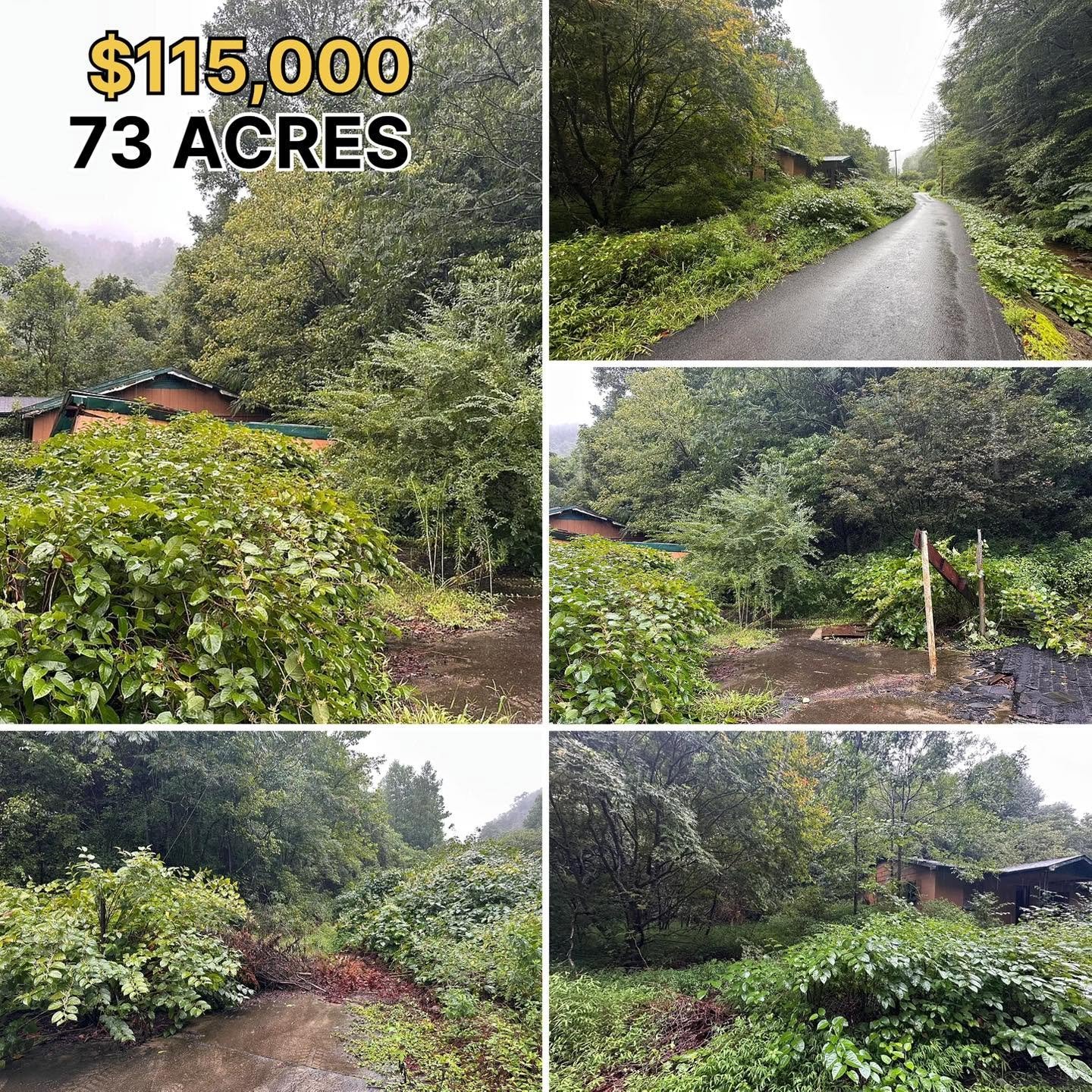

73 Acres in Elkhorn City, Kentucky Listed for $115,000 With Utilities Available
Finding a large tract of land at a relatively modest asking price can appeal to buyers looking for privacy, outdoor recreation, or a future rural homesite. In Elkhorn City, Kentucky, a 73-acre surveyed property at 816 Road Fork is listed for $115,000, offering wooded mountain surroundings and reportedly available electricity, public water, and sewer.
However, this property is marketed as unimproved land rather than a move-in-ready country home. The older house on the site is described as having no value and needing removal. Buyers should therefore approach the listing as a potential land and redevelopment project, with demolition and site preparation costs likely to be important parts of the overall budget.
For anyone considering rural property in eastern Kentucky, the acreage and reported infrastructure may be worth investigating. The terrain, legal access, development restrictions, and condition of existing improvements will ultimately help determine whether the property fits the buyer’s plans.
Property Overview
The property is located at 816 Road Fork in the Elkhorn City area of eastern Kentucky. It is advertised with approximately 73 surveyed acres and an asking price of $115,000.
Based on those figures, the asking price is approximately $1,575 per acre. This is a simple calculation using the advertised price and acreage, not an appraisal or an independent estimate of market value.
The listing describes a wooded mountain setting with an older structure that will need to be removed. Electricity, public water, and sewer are reported as available, although buyers should confirm the status and suitability of each service before relying on those details.
The property may interest buyers who want land for a future residence, private recreation, or long-term ownership. However, its current condition means it should not be treated as a ready-to-build or ready-to-occupy property without further investigation.
A Large Tract of Wooded Kentucky Land
The amount of land included in the asking price is one of the property’s main attractions. At approximately 73 acres, the parcel offers substantially more space than a conventional residential lot.
Depending on the actual topography, access, environmental conditions, and applicable land-use rules, a property of this size could potentially provide room for hiking, wildlife observation, outdoor recreation, or a future homesite.
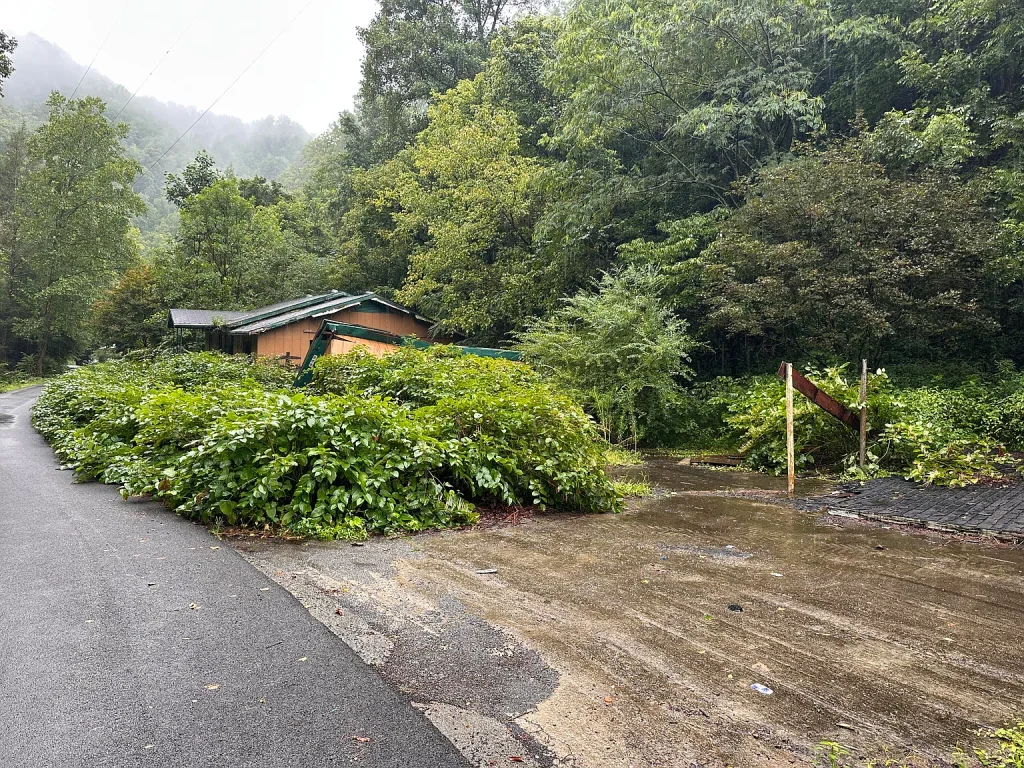
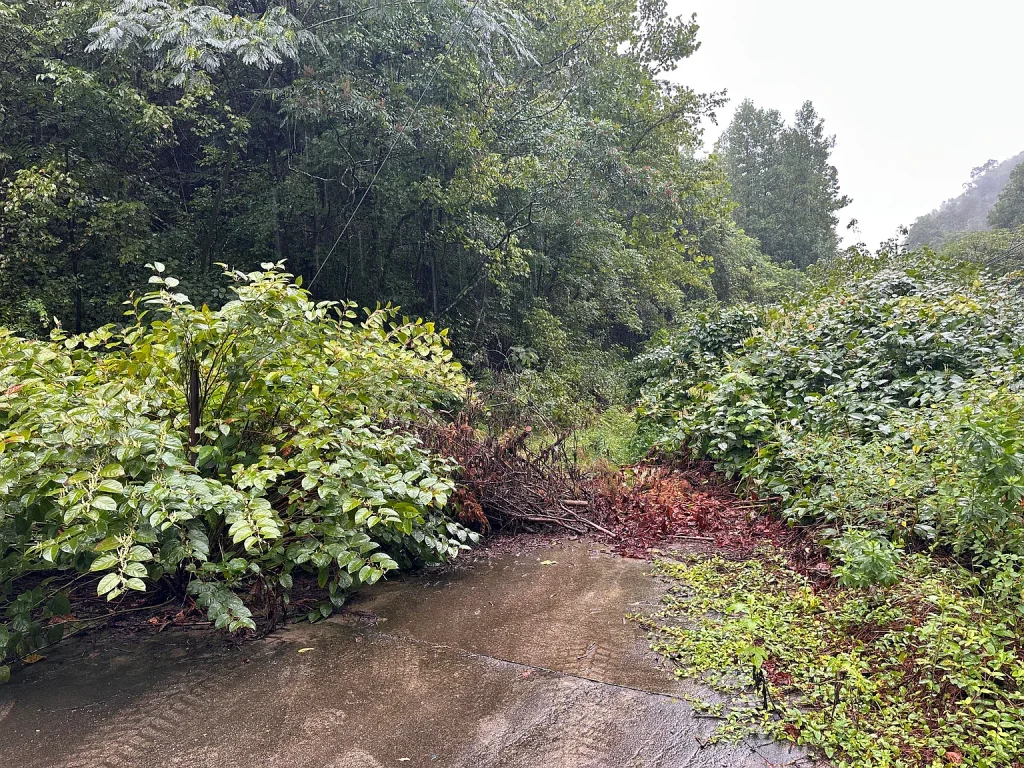
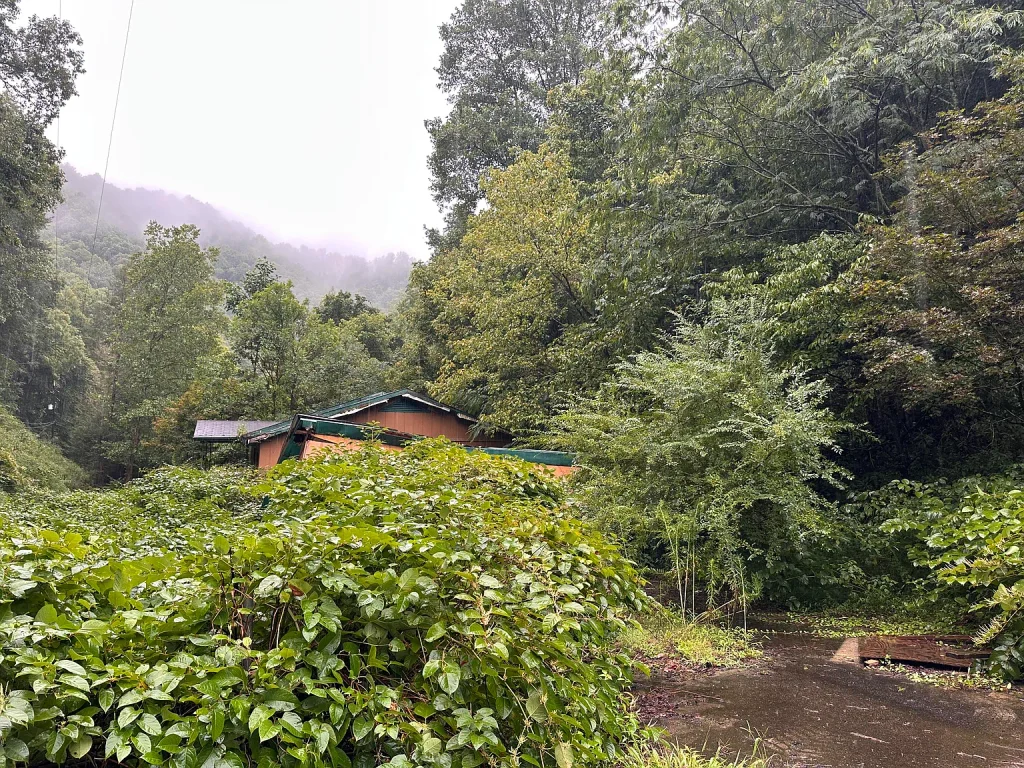
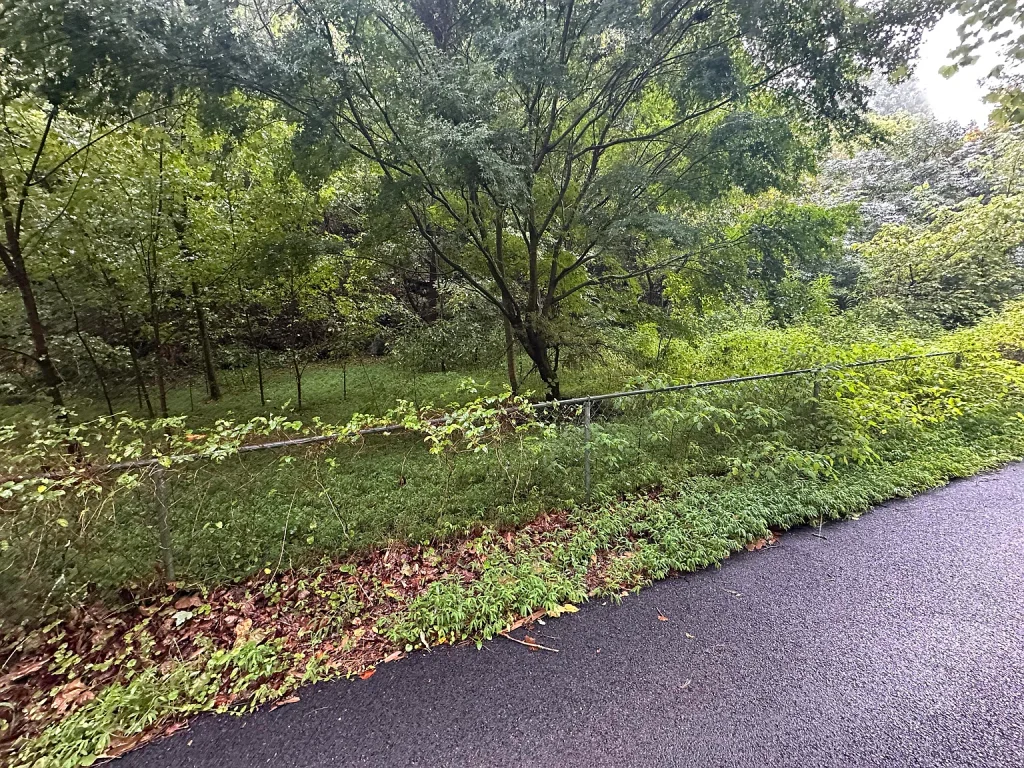
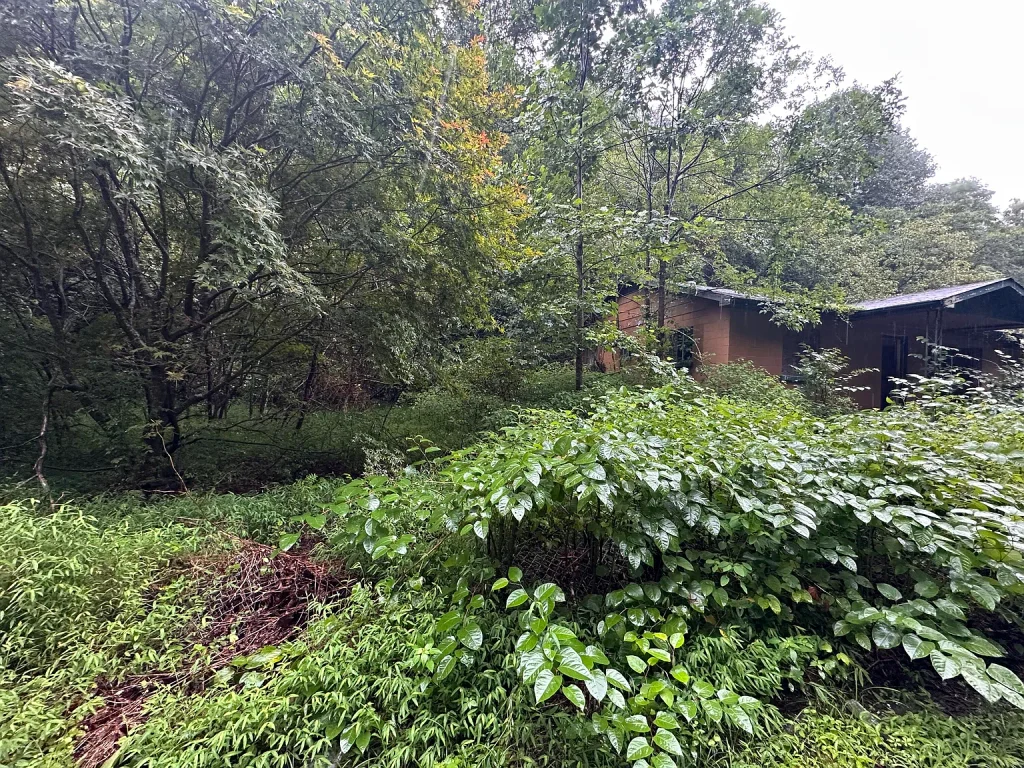
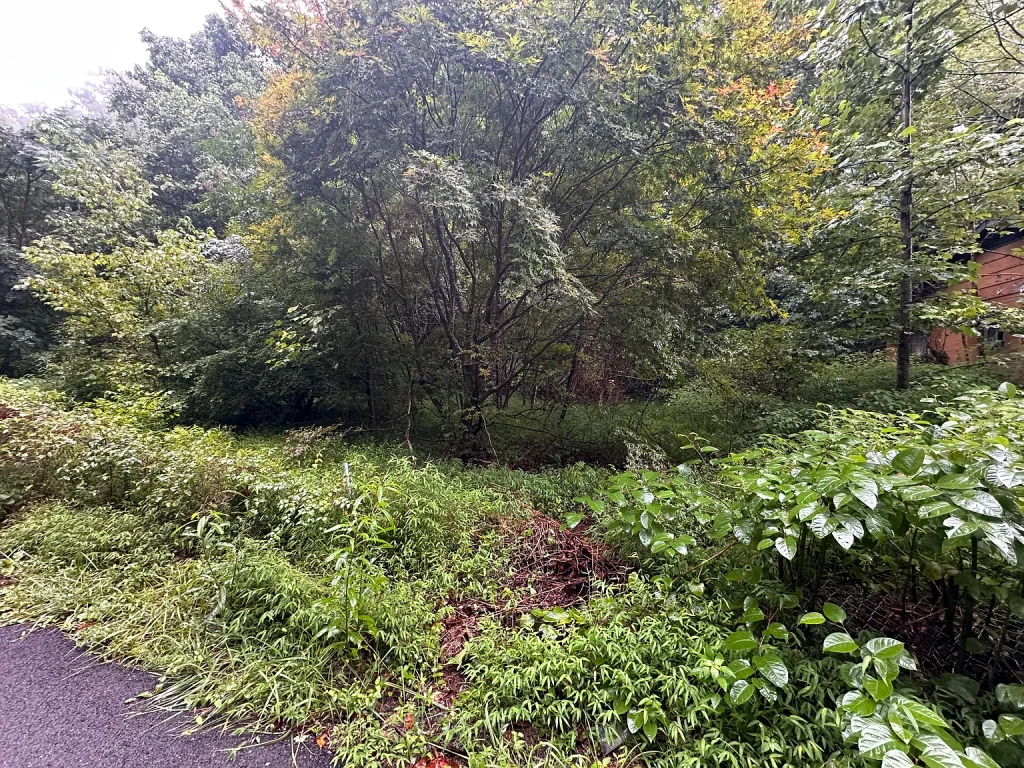
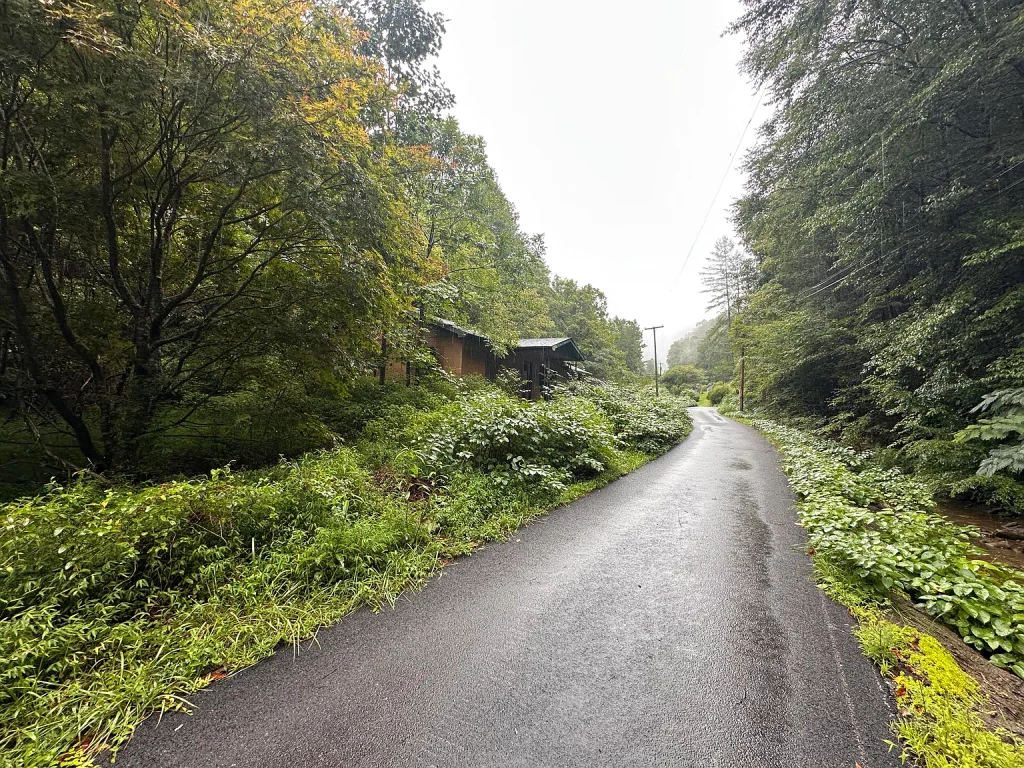
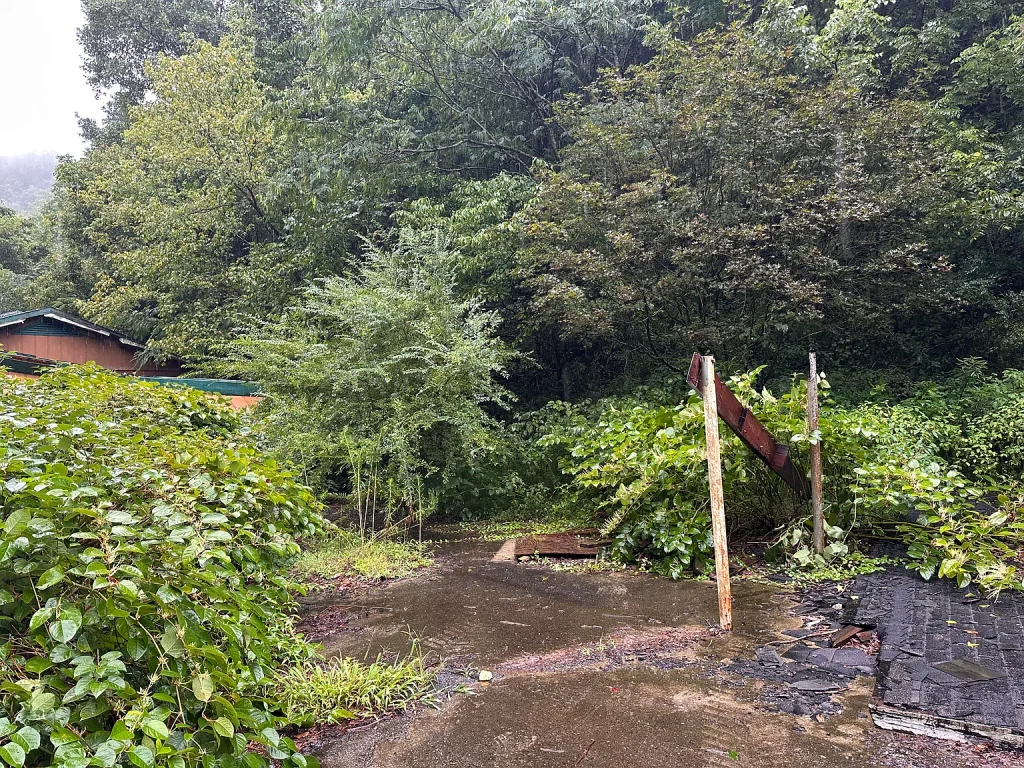
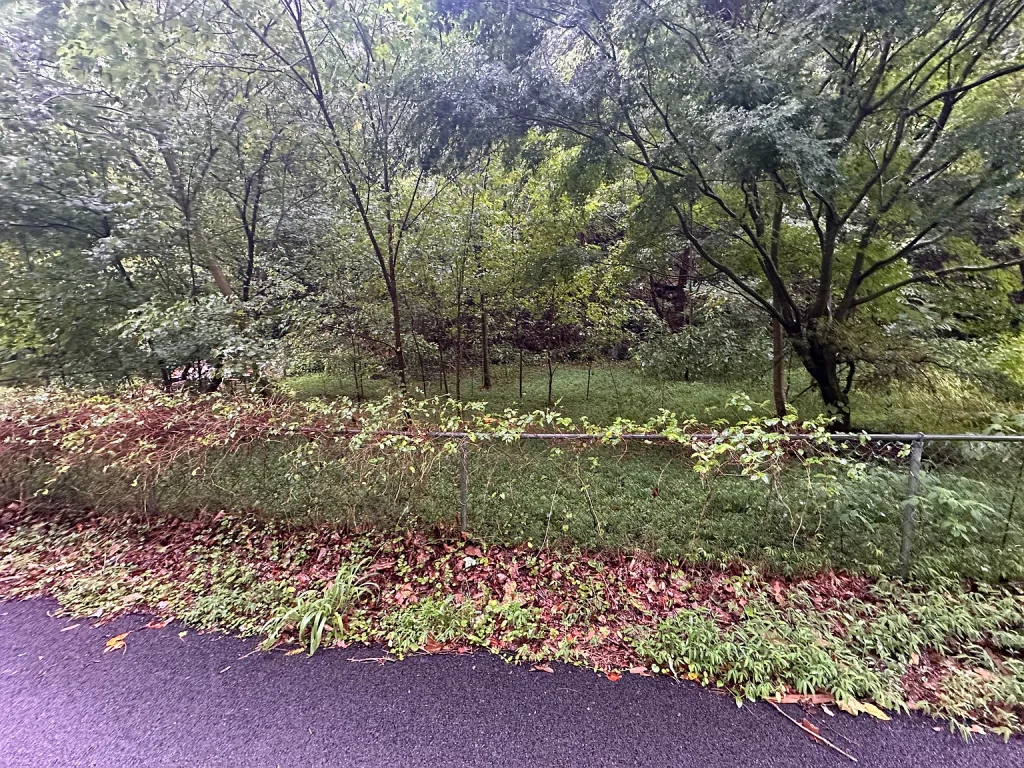
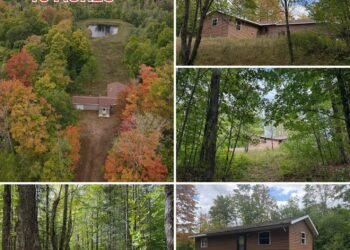
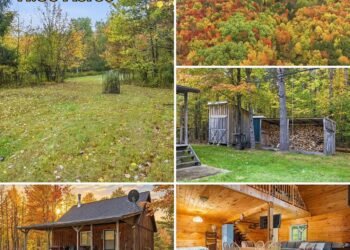
Listing photographs show mature trees, dense vegetation, wooded hillsides, and an older building surrounded by greenery. A paved road is also visible in several images, illustrating the property’s rural Appalachian setting.
These photographs provide a general impression of the landscape, but they do not establish how much of the acreage is level, accessible, or suitable for construction. Mountain properties can include steep slopes, narrow valleys, drainage areas, and heavily wooded sections that may be costly or impractical to develop.
Buyers should review the survey, examine topographic information, and walk the property where access permits before assuming that several suitable building sites are available.
The Existing House Will Need to Be Addressed
One of the most important details in the listing is the condition of the existing house. According to the seller’s description, the structure is considered to have no value and will need to be removed.
This means buyers should not assume that the building can be renovated economically or occupied immediately. The available exterior photographs show an older structure partly obscured by substantial vegetation, but they do not provide enough information to evaluate its foundation, roof, framing, or interior safety.
Before purchasing, prospective buyers should investigate whether complete demolition is required and obtain a written estimate from a qualified contractor.
The estimate should account for equipment access, labor, debris removal, disposal fees, and any permits required by local authorities. Depending on the age and materials of the building, testing for hazardous substances such as asbestos or lead-based paint may also be appropriate.
It is worth asking whether any existing foundation or other improvements could legally be reused. The presence of an old structure does not automatically mean that a replacement building can be constructed in the same location under current requirements.
Demolition in a wooded mountain setting can be more complicated than removing a building on a level, easily accessible lot. The cost of addressing the house should therefore be included in the initial project budget rather than considered an incidental expense.
Electricity, Public Water, and Sewer
The listing states that electricity, public water, and sewer are available on the property. For buyers considering a future home, these reported services could be meaningful advantages compared with land that requires a new well, septic system, or extensive utility extensions.
However, the term available does not necessarily mean that each service is active, connected to a proposed building site, approved for a new dwelling, or ready for immediate use.
Buyers should contact the relevant utility providers to confirm where the lines are located, whether connections are active, whether additional fees apply, and whether the services can accommodate the intended project.
The condition of infrastructure serving the older house also needs to be checked. Existing connections may require repairs, relocation, or replacement before they can support a new residence.
Electricity, water, and sewer can reduce some development challenges, but their actual value depends on the connection costs, service capacity, and requirements that apply to the proposed use.
Rural Privacy and Mountain Surroundings
The property is situated in the Elkhorn City area of eastern Kentucky, a region known for its Appalachian landscape. The supplied photographs show wooded hillsides, thick roadside growth, and a setting that appears relatively secluded.
For buyers seeking a rural escape, these surroundings may be part of the appeal. A wooded parcel can offer natural scenery, space for outdoor activities, and a degree of separation from neighboring properties.
Dense vegetation also creates maintenance responsibilities. Depending on how the land is used, an owner may need to clear access routes, manage invasive plants, remove fallen trees, or maintain areas around a future building site.
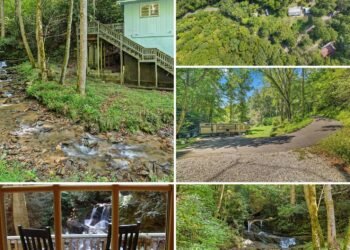
The photographs appear to show a small roadside drainage feature or water channel in parts of the scene. This should not be interpreted as confirmed creek frontage or a permanent water feature without verification through the survey and an on-site inspection.
How Much of the 73 Acres Is Usable?
Acreage alone does not determine a property’s development potential, particularly in a mountainous region.
A buyer should obtain the actual survey, review available topographic information, and physically inspect the property before estimating how much land could be used for construction or recreation.
Important questions include:
- Slope and elevation: Are there sufficiently level areas for a house, driveway, garage, or other improvements?
- Road access: Does the parcel have legal and practical access to the areas the buyer intends to use?
- Drainage: Are any lower sections exposed to runoff, erosion, or flooding during heavy rain?
- Vegetation: How much clearing would be required to create usable space?
- Construction costs: Would grading, retaining walls, drainage improvements, or additional access roads be necessary?
- Boundaries: Does the surveyed acreage match the legal description and the land being marketed?
Even if only a portion of the property is suitable for construction, the remaining acreage may still provide recreational space or privacy. The important consideration is whether the usable land meets the buyer’s actual objectives.
Potential Uses for the Property
One possible use is a future rural residence. Subject to local approvals and site conditions, a buyer might consider removing the old house and replacing it with a modest home or cabin.
Other possible uses include a private recreational retreat or a long-term landholding. However, these are potential plans, not confirmed permitted uses.
The listing identifies the zoning as A-1, but that designation alone does not establish which activities are allowed. Buyers should contact the local planning or zoning authority to confirm the applicable rules before proceeding with a development plan.
Questions should address residential construction, manufactured homes, recreational vehicles, camping, accessory buildings, short-term rentals, and any proposed subdivision.
A large acreage figure does not automatically guarantee permission to divide the land into smaller lots or operate a commercial recreation business. Setbacks, access requirements, utility capacity, environmental considerations, and other restrictions may affect what can be done.
Whenever possible, buyers should obtain written confirmation that their intended use is permitted before spending money on plans, engineering, or site preparation.
Is $115,000 a Competitive Price for 73 Acres?
At $115,000 for approximately 73 acres, the asking price works out to roughly $1,575 per acre. That figure can be useful as a starting point when comparing listings, but it does not establish whether the property is inexpensive relative to comparable sales.
Two parcels with similar acreage can have very different values because of road frontage, terrain, legal access, timber, mineral rights, utility availability, buildable area, and proximity to services.
The older house also introduces a potential expense. If demolition is necessary, buyers will need to account for that cost alongside any clearing, grading, utility work, or new construction.
A meaningful comparison should focus on recent sales of similarly sized properties in the surrounding area, particularly parcels with comparable topography, access, infrastructure, and existing improvements.
An independent appraisal or an experienced local land professional may help assess whether the asking price is reasonable. Buyers should evaluate the total cost of acquisition and development rather than relying on the per-acre calculation alone.
Important Due Diligence Before Buying
Several issues deserve attention before a purchase decision is made.
Demolition and disposal: Obtain a written estimate for removing the existing house, including equipment access, debris disposal, permits, and any necessary hazardous-material assessment.
Survey and legal access: Request the actual survey and legal description. Verify boundaries, easements, access rights, and any road-maintenance obligations.
Utilities: Confirm the location, connection status, capacity, costs, and requirements for electricity, public water, and sewer directly with the providers.
Buildability: Have a qualified professional assess potential building sites, slopes, drainage, driveway access, and any necessary grading.
Flood and drainage risks: Review official flood-hazard information and inspect local drainage conditions. A property that appears dry during one visit may behave differently during heavy rainfall.
Zoning and land use: Confirm the rules governing the intended residence, recreational activities, additional structures, and any future subdivision.
Mineral and surface rights: In parts of Appalachia, mineral ownership may be separate from surface ownership. Review the title commitment and determine exactly which rights transfer with the sale.
Financing and insurance: Because the listing is marketed as unimproved land with a structure that has no assigned value, conventional home financing may not be appropriate. Investigate land-loan terms, down-payment requirements, and insurance options before making an offer.
These checks can help reveal expenses and restrictions that are not apparent from the listing photographs or asking price.
Who Might Consider This Kentucky Property?
The property may be worth researching for buyers who prioritize acreage over an immediately habitable house.
Someone planning a future rural homesite might appreciate the reported availability of utilities, provided the connections and development requirements are confirmed. An outdoor enthusiast could be interested in the wooded setting and potential for private recreation. A long-term land buyer might evaluate the parcel based on comparable sales and its permitted uses.
On the other hand, someone looking for a ready-to-occupy cabin, an inexpensive turnkey home, or a straightforward building project may find the property unsuitable.
The amount of preparation required could be substantial, particularly if demolition, clearing, grading, access improvements, or utility upgrades are necessary. Buyers should establish a realistic budget before deciding whether the asking price fits their plans.
Final Thoughts
The property at 816 Road Fork in Elkhorn City, Kentucky, offers approximately 73 surveyed acres at an asking price of $115,000, with electricity, public water, and sewer reportedly available.
Its wooded mountain setting may appeal to buyers looking for privacy, outdoor recreation, or a future country homesite. At approximately $1,575 per advertised acre, the asking price provides a useful starting point for comparison with other land listings, but it is not proof of market value.
The property’s limitations are equally important. The older house is not being presented as a usable residence, and removing it could create a significant additional expense. The terrain, amount of buildable land, utility connections, legal access, and development restrictions all require closer evaluation.
For a buyer prepared to complete the necessary inspections, utility checks, title review, and land-use research, this property could be worth investigating further. Its suitability ultimately depends on the buyer’s intended use and whether the total cost of acquiring and preparing the land makes financial sense.
Disclaimer: This article is based on the supplied listing information, which has not been independently verified. Buyers should confirm all property details, utility availability, zoning, title, access, and development requirements with qualified professionals and relevant authorities before purchasing.