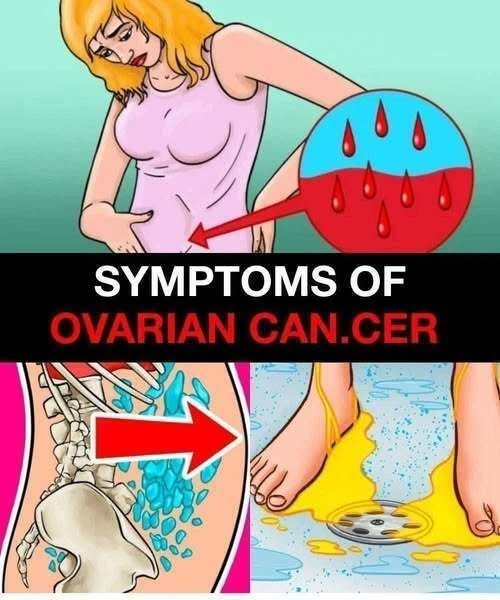

Some health changes are easy to dismiss. Bloating after meals, pelvic discomfort, back pain, changes in bathroom habits, or unusual fatigue can often be blamed on stress, digestion, hormones, or the natural effects of aging. However, experts say persistent symptoms that feel unusual or continue over time should not be ignored.
Ovarian Cancer can sometimes develop with symptoms that are subtle rather than obvious. While these signs are often linked to less serious conditions, doctors emphasize that ongoing changes—particularly those lasting more than two weeks, worsening over time, or failing to respond to routine treatment—may warrant medical evaluation.
Commonly reported symptoms include persistent bloating, pelvic or abdominal pain, lower back pain, changes in bowel habits, and an increased need to urinate. Because these symptoms overlap with many non-cancerous conditions, they can be easy to overlook or explain away in the early stages.
Health professionals also advise paying attention to feeling full quickly when eating, unexplained weight loss, ongoing fatigue, changes in menstrual cycles, or any bleeding after menopause. While these symptoms do not automatically indicate ovarian cancer, discussing persistent or unusual changes with a healthcare provider can help identify the cause and determine whether further testing is needed.