


8.8 Acres in Ravenna, Kentucky, Listed for $50,000 With a Natural Cave
Unimproved mountain land with distinctive natural features can attract buyers looking for a private homesite, recreational property, or a potential cabin project. In Estill County, Kentucky, an 8.8-acre parcel on Mountain Springs Cem Road is listed for $50,000, offering a wooded setting, varied terrain, and a reported natural cave formation.
Identified as LOT 2 Mountain Springs Cem Rd, Ravenna, KY 40472, the property is described as being near the High Rock area and approximately 30 minutes from the Red River Gorge Geological Area. Its asking price works out to roughly $5,682 per acre, based on the reported acreage.
The parcel may interest buyers who value Appalachian scenery and want to explore the possibilities of building a private retreat. However, the cave, terrain, utility access, and development potential all require independent investigation before the land can be considered suitable for a particular project.
Property Overview and Asking Price
The supplied listing details identify the property as an unimproved, wooded mountain tract in Estill County. Its key figures include:
- Asking price: $50,000
- Reported acreage: Approximately 8.8 acres
- Approximate price per acre: $5,681.82
- Property identification number: 128000001515
- Location: Mountain Springs Cem Road, Ravenna, Kentucky 40472
- Property type: Unimproved wooded land
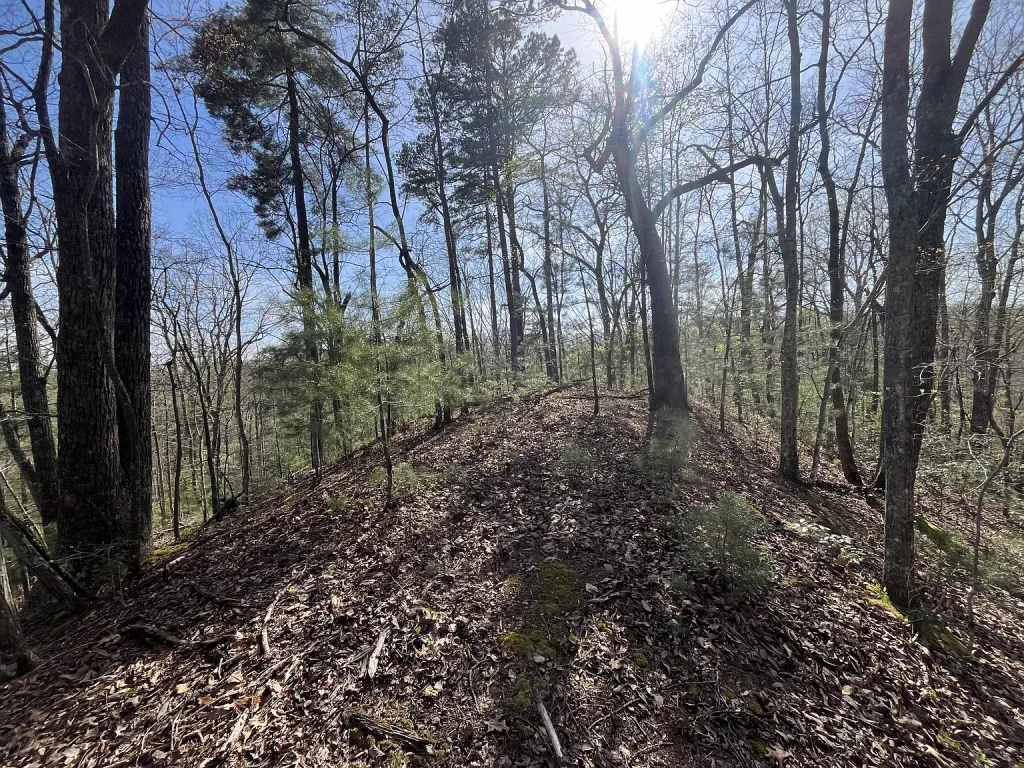
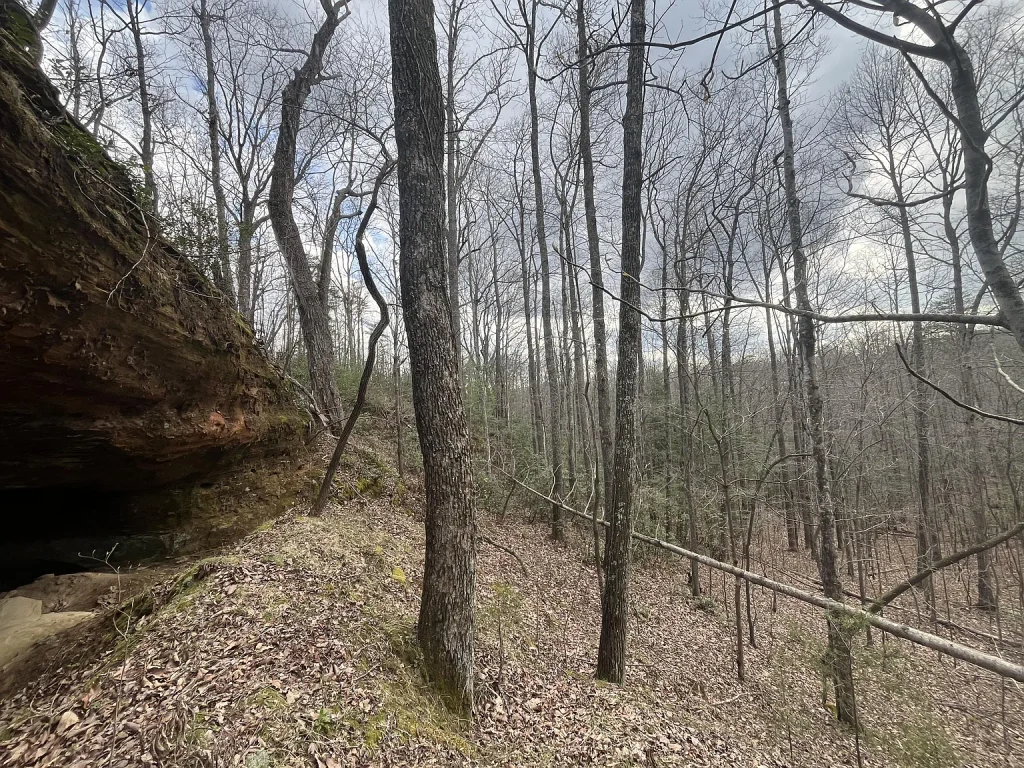
- Reported terrain: Rolling and sloping ground with elevated areas
- Distinctive feature: A reported natural cave formation
- Utilities: Electricity is reportedly present along neighboring properties
- HOA fees: Listed as $0 per month
These figures offer a starting point for evaluating the property, but they do not establish its market value. The reported parcel number, acreage, boundaries, access rights, and any applicable land-use restrictions should be confirmed through the appropriate county records and a professional survey.
The listing information describes the land as unrestricted, but buyers should not interpret that wording as confirmation that every proposed use is permitted. Zoning, building codes, septic requirements, environmental rules, and any recorded deed restrictions may still affect what can be constructed.
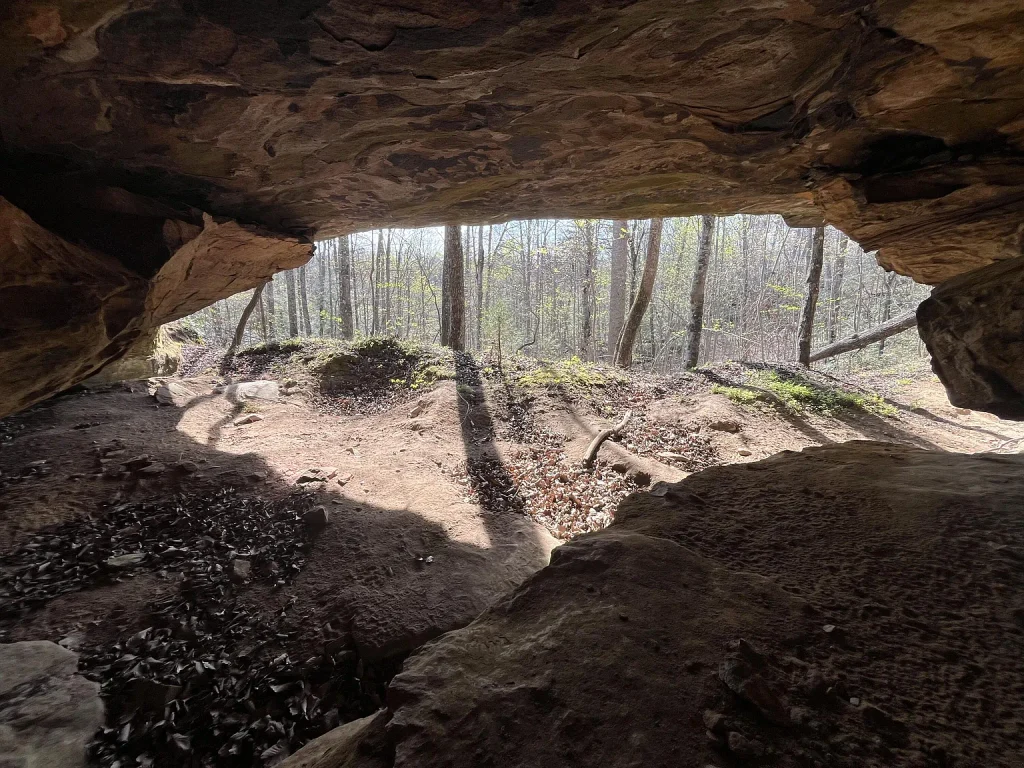
A Natural Cave Is the Property’s Most Distinctive Feature
The reported cave formation is the feature that sets this parcel apart from a conventional wooded lot. Depending on its location, condition, dimensions, and legal status, the formation could be an interesting natural attraction for a private landowner or an element of a future recreational property.
The cave’s presence alone, however, does not establish that it is safe for occupancy or suitable for construction. Natural cavities can present risks involving unstable rock, falling material, water intrusion, flooding, limited ventilation, and difficult access. The extent of these risks cannot be determined from a listing description.
Before considering any construction near or inside the cave, a buyer should arrange an assessment by a qualified geotechnical professional or structural engineer experienced with rock formations. The assessment should examine the stability of the ceiling and surrounding rock, drainage conditions, and any potential hazards associated with human access.
A survey is equally important. It should establish the legal boundaries and determine whether the cave and its entrance fall within the property lines. Buyers should not assume that the visible entrance identifies the full extent of the formation or that the entire cave lies within the parcel.
For many buyers, the most practical approach may be to treat the cave as a natural feature to investigate and preserve rather than automatically as a future living space.
Could the Land Accommodate a Mountain Cabin?
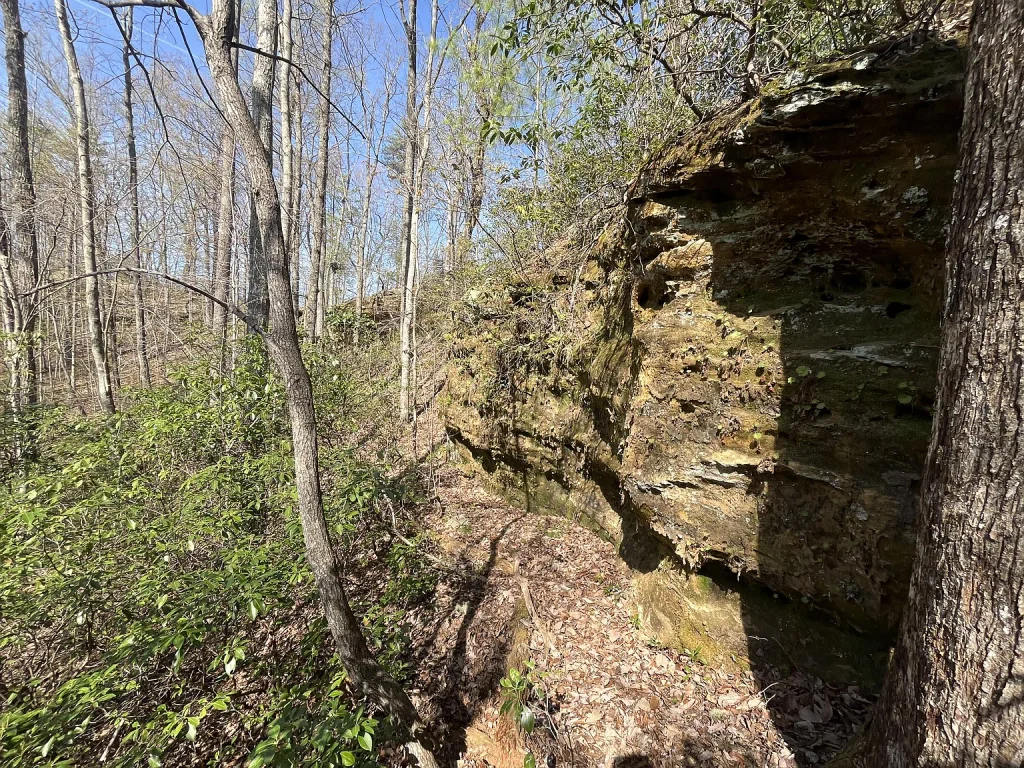
The property is described as having a mixture of wooded slopes, rolling terrain, ridgelines, and potentially gentler areas. If suitable building sites exist, the elevated portions could offer opportunities to explore a conventional cabin or private residence with views of the surrounding countryside.
A traditional cabin could potentially be easier to plan than a dwelling integrated into a cave or rock face. Even so, the feasibility of construction depends on several factors, including slope, soil stability, foundation requirements, drainage, driveway access, and the availability of a suitable septic area.
Steep or heavily wooded mountain land can require considerable preparation before construction begins. Tree removal, grading, erosion control, retaining structures, and the installation of a reliable driveway can add substantially to a project’s total cost.
A site visit with a local builder, excavation contractor, and qualified land-development professional could help identify the most practical building locations. Buyers should obtain site-specific estimates instead of assuming that a relatively low land purchase price will translate into an inexpensive construction project.
Utilities and Infrastructure Need Confirmation
The supplied information indicates that grid electricity is present along neighboring parcels. That could be helpful if the buyer plans to develop the property, but nearby power lines do not guarantee that a connection can be made cheaply or at the preferred building location.
The electric utility should confirm the nearest suitable connection point, service availability, extension requirements, and any associated costs.
Water service also needs investigation. Buyers should contact the relevant local water provider to determine whether a public water line is available and whether a connection can be approved. If public water is unavailable, a private well may be another option, subject to local conditions and the necessary permits.
Wastewater disposal is another essential consideration. A conventional septic system generally requires suitable soil conditions and approval from the responsible authority. A soil evaluation and site-specific assessment should be completed before assuming that the property can support a dwelling.
The driveway is equally important. The buyer should confirm legal access from the public road and determine whether the terrain permits a practical route for construction equipment, emergency vehicles, and future occupants. Mountain driveways may require grading, drainage structures, and ongoing maintenance.
Until these questions are answered, the parcel should be treated as raw land rather than a build-ready homesite.
Location Near High Rock and Red River Gorge
The property is described as being near the High Rock area and roughly 30 minutes from the Red River Gorge Geological Area. The wider region is known for Appalachian scenery and outdoor recreation, making it potentially appealing to buyers seeking a rural escape.
The supplied information also places the property within driving distance of Natural Bridge State Resort Park and the communities of Irvine, Ravenna, and Richmond. Actual travel times will depend on the exact route, road conditions, weather, and the property’s access point, so prospective buyers should verify directions independently.
For recreational owners, the location may provide a base for hiking, sightseeing, and exploring nearby outdoor destinations. However, proximity to a popular tourist area does not guarantee that a property will attract vacation renters or generate a particular level of income.
Anyone considering a short-term rental should research local rental demand, seasonality, competition, insurance requirements, operating expenses, and applicable regulations. The property’s suitability for a commercial lodging operation must also be confirmed before any revenue projections can be treated as realistic.
Potential Uses for the 8.8-Acre Parcel
Several possible uses may be worth investigating, depending on the results of due diligence.
A private mountain retreat: Buyers seeking privacy could explore whether the land can accommodate a small cabin or seasonal recreational shelter. Access, water, wastewater disposal, and building approvals would need to be established first.
A traditional cabin or custom home: If a suitable building site is available, the elevated terrain may provide an opportunity to create a residence surrounded by wooded scenery. The actual construction costs would depend on the site conditions and chosen design.
A recreational property: The land could appeal to someone looking for a wooded place to enjoy nature, subject to lawful access and any applicable restrictions. The cave may add interest for exploration only if it is assessed as safe to enter.
A potential short-term rental: A distinctive cabin near regional outdoor attractions could be worth researching as a hospitality project. Before committing funds, buyers would need to confirm that construction and rental operations are permitted and develop a realistic business plan based on local market evidence.
Long-term land ownership: Some purchasers may simply prefer to hold rural acreage for personal use or future consideration. Even without a building project, ownership can involve taxes, maintenance, insurance, and other carrying costs.
None of these uses should be regarded as approved or guaranteed solely on the basis of the listing description.
Understanding the Price and Development Budget
At $50,000 for approximately 8.8 acres, the asking price calculates to around $5,681.82 per acre. This figure can help buyers compare the parcel with other listings, but a meaningful comparison should account for factors such as legal road access, usable acreage, terrain, utility availability, soil conditions, and development restrictions.
The original property description presents the asking price as being below certain regional land benchmarks. Those comparisons should be independently verified using comparable properties with similar characteristics, particularly because mountain parcels can differ considerably in buildability and accessibility.
The total investment could be much higher than the purchase price if the buyer intends to build. Potential expenses may include:
- Boundary surveying and title review
- Cave and geotechnical assessments
- Driveway construction and drainage work
- Tree clearing and grading
- Electricity connection or extension
- Water supply installation
- Soil testing and septic installation
- Permits, engineering, and architectural services
- Construction, insurance, and ongoing maintenance
Without site inspections and contractor estimates, it would be premature to assign a reliable development budget to the parcel.
The same caution applies to proposed rental revenue. Nightly rates and occupancy figures used in a business projection are assumptions, not guaranteed results. Gross rental income also differs substantially from net operating income after cleaning, utilities, maintenance, insurance, taxes, platform fees, management, financing, and periods without bookings.
Important Due-Diligence Steps Before Buying
Prospective buyers should investigate the following issues before making a final decision:
- Verify the property boundaries. Obtain a current survey and confirm the parcel number, acreage, legal access, and the location of the cave relative to the property lines.
- Arrange a professional cave assessment. Have qualified specialists evaluate rock stability, drainage, water hazards, and whether the formation is safe to approach or enter.
- Confirm land-use rules. Contact the relevant county authorities to establish applicable zoning, building requirements, and restrictions on residential construction, alternative dwellings, or commercial lodging.
- Evaluate septic feasibility. Obtain the required soil testing and approval from the responsible authority before budgeting for a residence or rental cabin.
- Confirm water and electricity. Speak with utility providers about availability, connection points, capacity, and extension costs.
- Assess driveway access. Verify legal road access and determine whether a suitable driveway can be constructed within the property’s terrain and any applicable permitting requirements.
- Review title and recorded restrictions. Investigate easements, deed restrictions, mineral rights where relevant, and any other recorded interests that could affect the intended use.
- Build a realistic cost estimate. Request site-specific estimates from local professionals for surveying, grading, access, utilities, septic installation, and construction.
Completing these checks can help distinguish an attractive-looking raw-land listing from a parcel that is practically suitable for a buyer’s intended project.
Final Thoughts
LOT 2 Mountain Springs Cem Road in Ravenna, Kentucky, is listed for $50,000 and is described as containing approximately 8.8 wooded acres with varied mountain terrain and a natural cave formation. Its location near High Rock and within driving distance of Red River Gorge may appeal to buyers looking for a recreational property, a potential cabin site, or land with distinctive natural features.
The reported cave gives the parcel a point of interest, but it also makes professional assessment especially important. Safe access, rock stability, legal boundaries, utility costs, septic feasibility, and building permissions will help determine what the land can realistically support.
At approximately $5,682 per acre, the asking price provides a starting point for comparison rather than proof of a bargain. Buyers should assess the parcel based on its usable acreage, development costs, restrictions, and intended purpose—not simply its headline price or the presence of a cave.
For anyone considering a purchase, the next step is careful, property-specific due diligence before committing to construction or an income-producing plan.
This article is for informational purposes only. It does not constitute a property appraisal, engineering assessment, legal opinion, construction approval, or guarantee of rental income or investment returns.


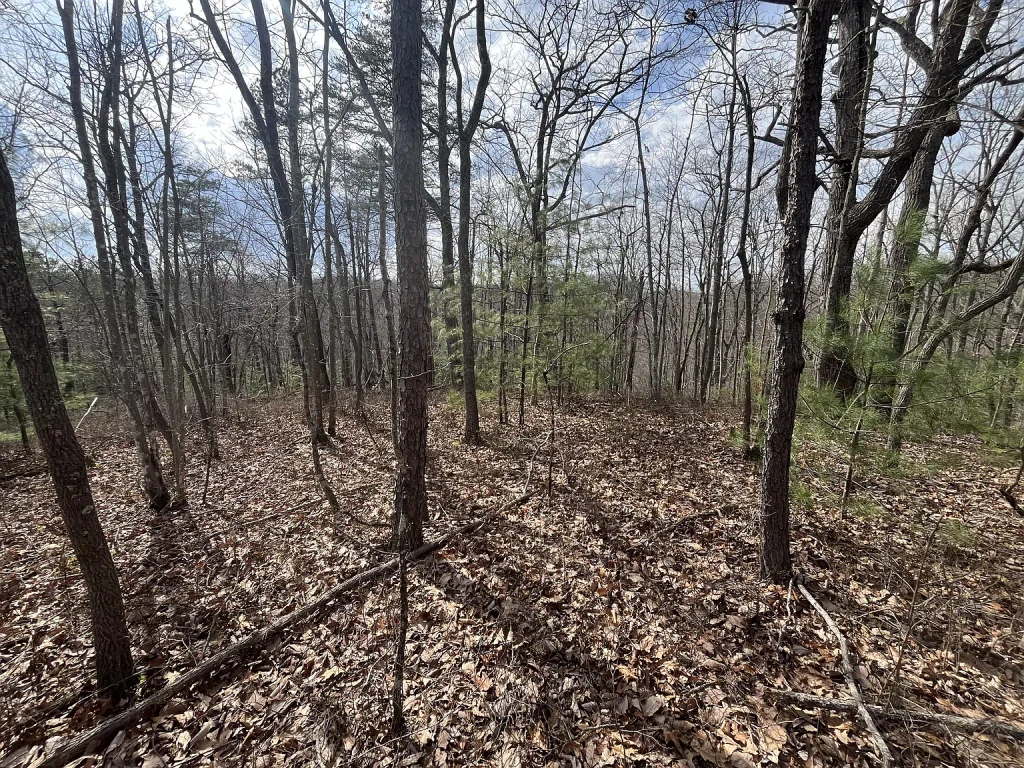
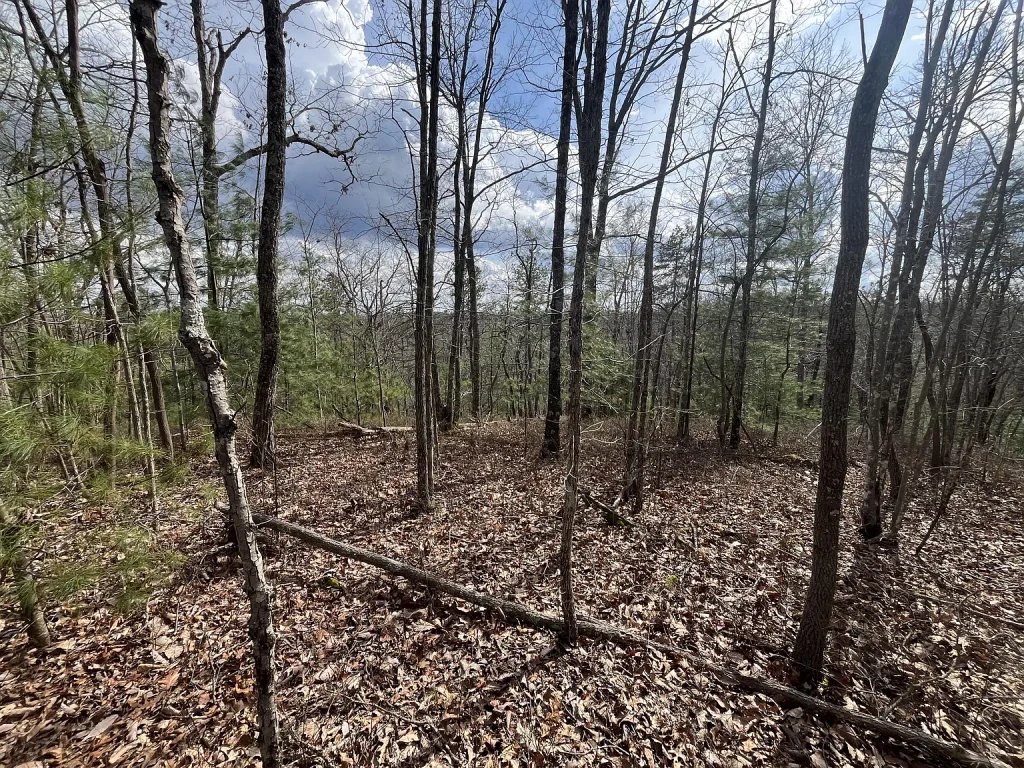
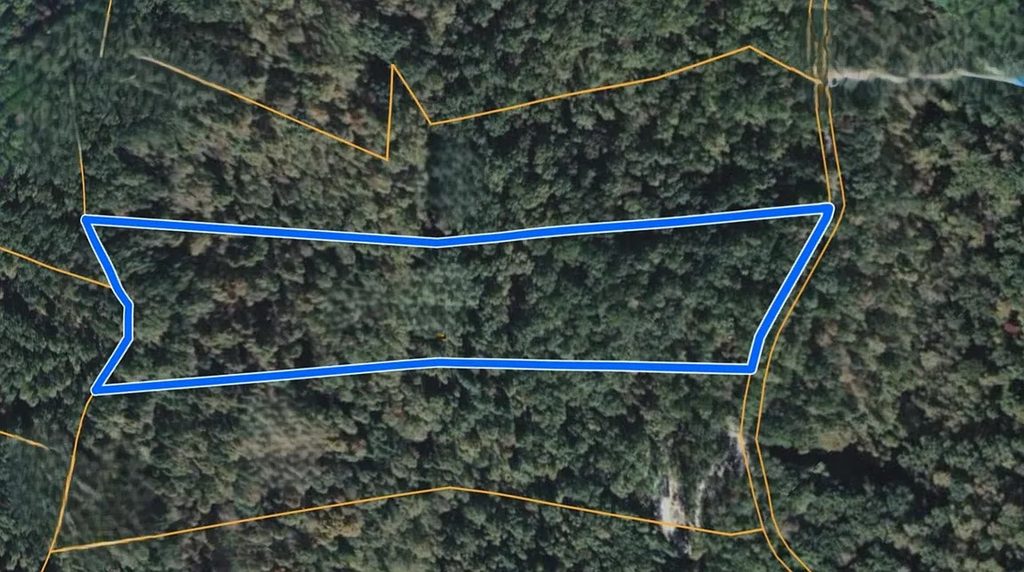
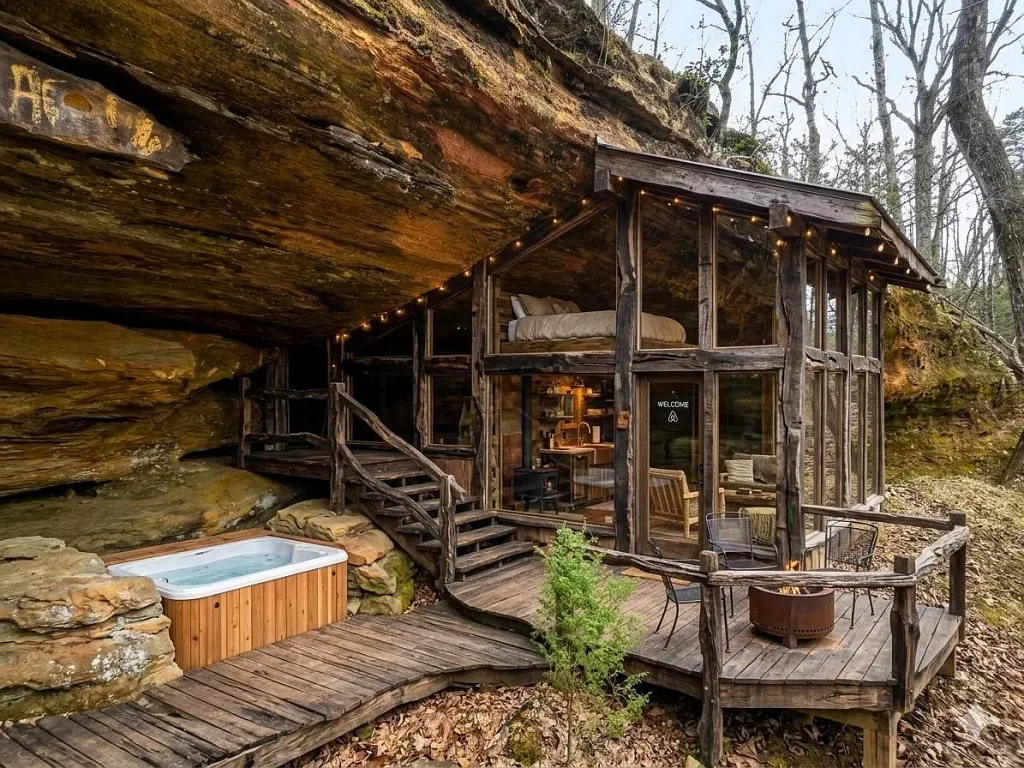
Please Note: Images used are for conceptual illustration purposes. A professional boundary survey is required to establish exact property lines and confirm cave location.
Listed on Zillow