


43 Wooded Acres in Irvine, Kentucky, Listed for $126,000 With Hardwood Timber and Valley Views
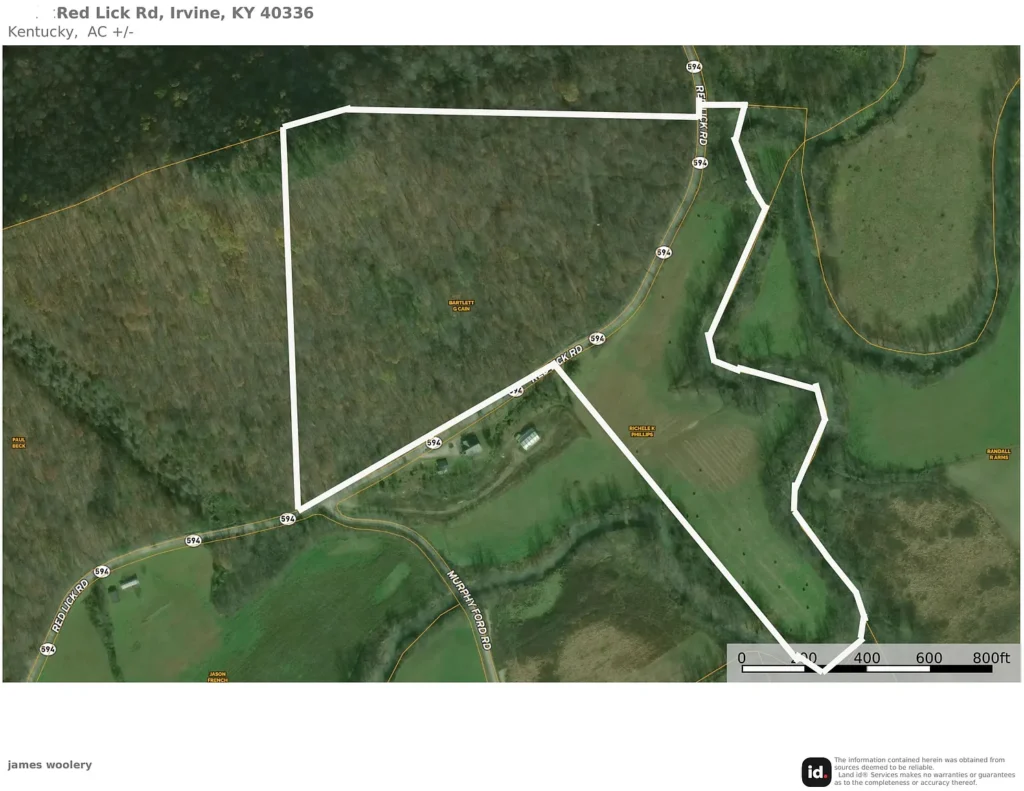
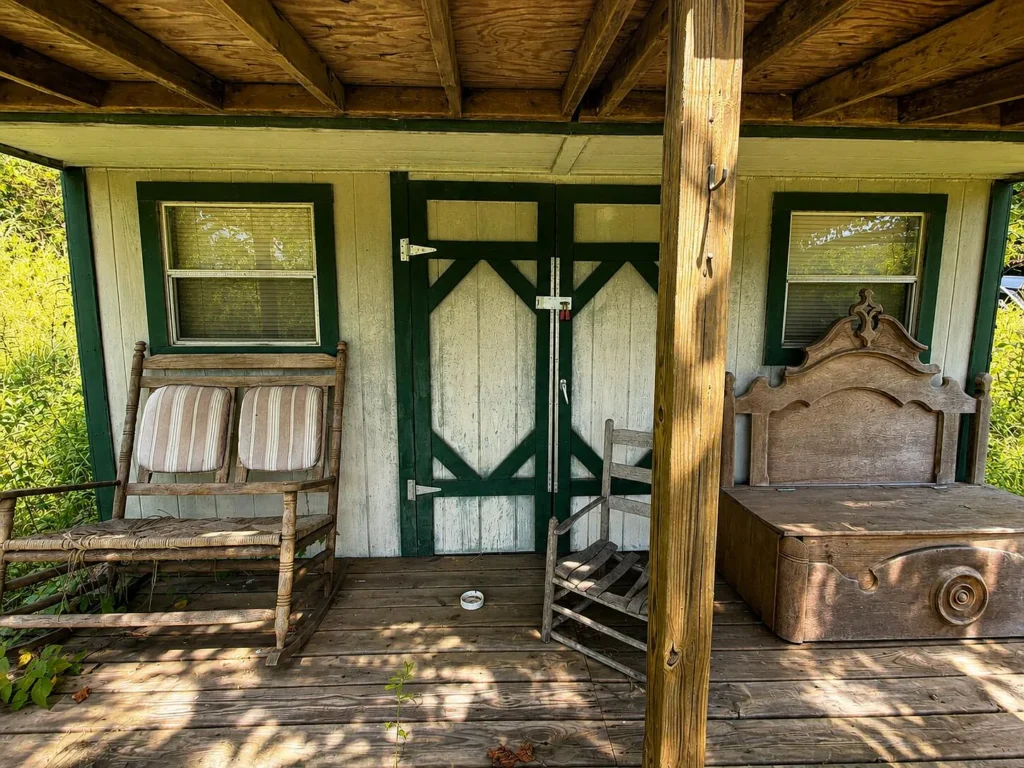
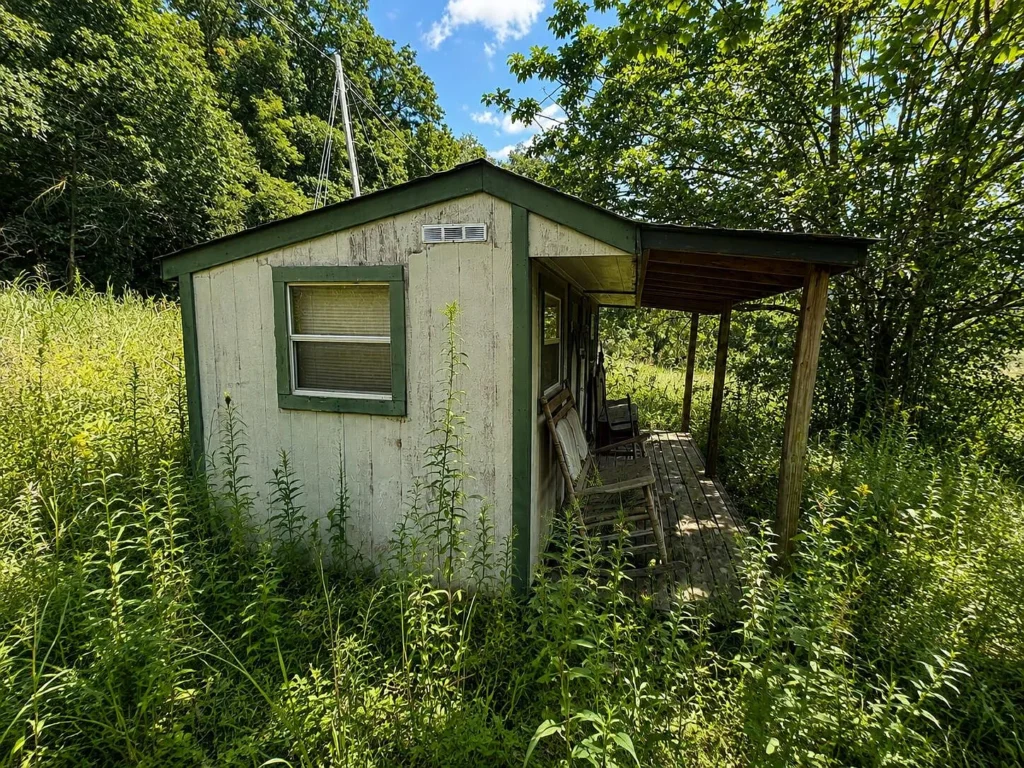
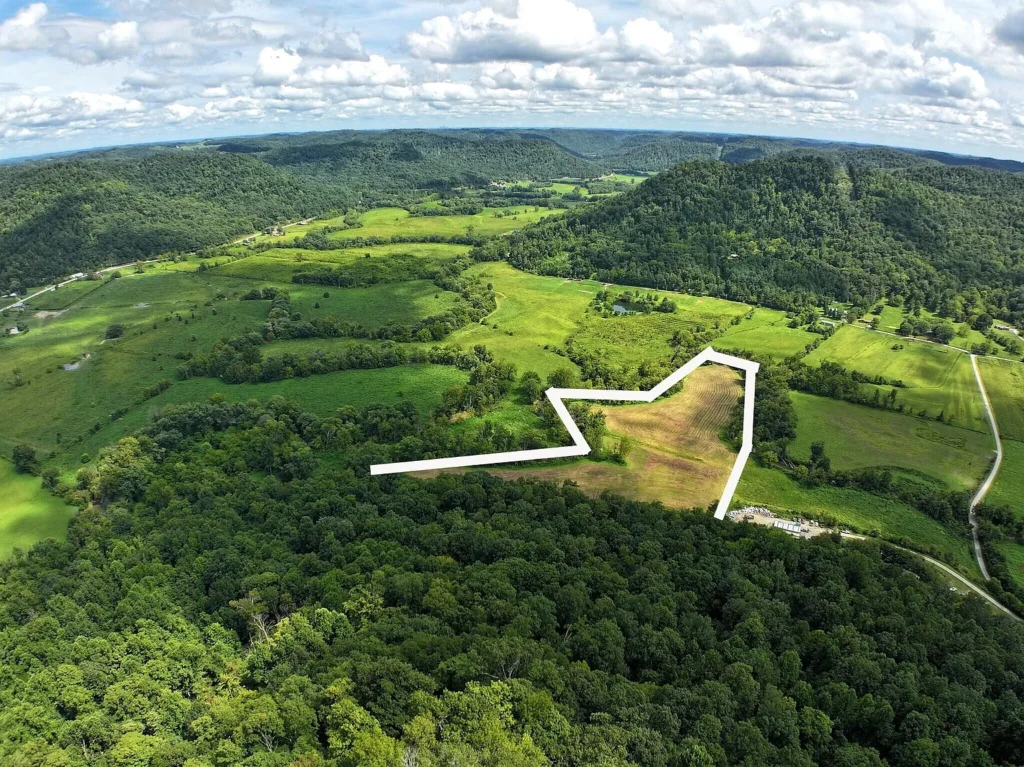
A 43-acre tract of wooded land in Eastern Kentucky is being offered for $126,000, putting the asking price at approximately $2,930 per acre. Located at 2924 Red Lick Road in Irvine, Estill County, the property features mature hardwood timber, varying elevations, potential building sites, and road frontage along a state-maintained paved route.
The property may interest buyers looking for recreational acreage, a private homesite, hunting land, or a potential long-term timber investment. Its reported access to electricity, public water, and high-speed internet along the road could also be an advantage for those considering future development. However, buyers should confirm the availability, connection costs, and specific locations of these services before making a purchase.
Property Overview and Asking Price
The property is described as comprising 43 contiguous acres along Red Lick Road, near the route connecting Irvine and Berea. At the asking price of $126,000, the basic purchase calculations are as follows:
- Asking price: $126,000
- Reported acreage: 43 acres
- Price per acre: Approximately $2,930.23
- Approximate land area: 1,873,080 square feet
- Price per square foot: Approximately $0.067
These figures provide a straightforward way to compare the asking price with other land listings. They do not, by themselves, establish the property’s market value or indicate how much a buyer could earn from timber harvesting or future development.
The parcel is identified in the supplied information by Estill County PVA Parcel No. 0740000005.02. Prospective purchasers should independently confirm the parcel identification, acreage, ownership, and legal boundaries through the relevant county records and a current survey.
Mature Hardwood Timber Could Be a Major Feature
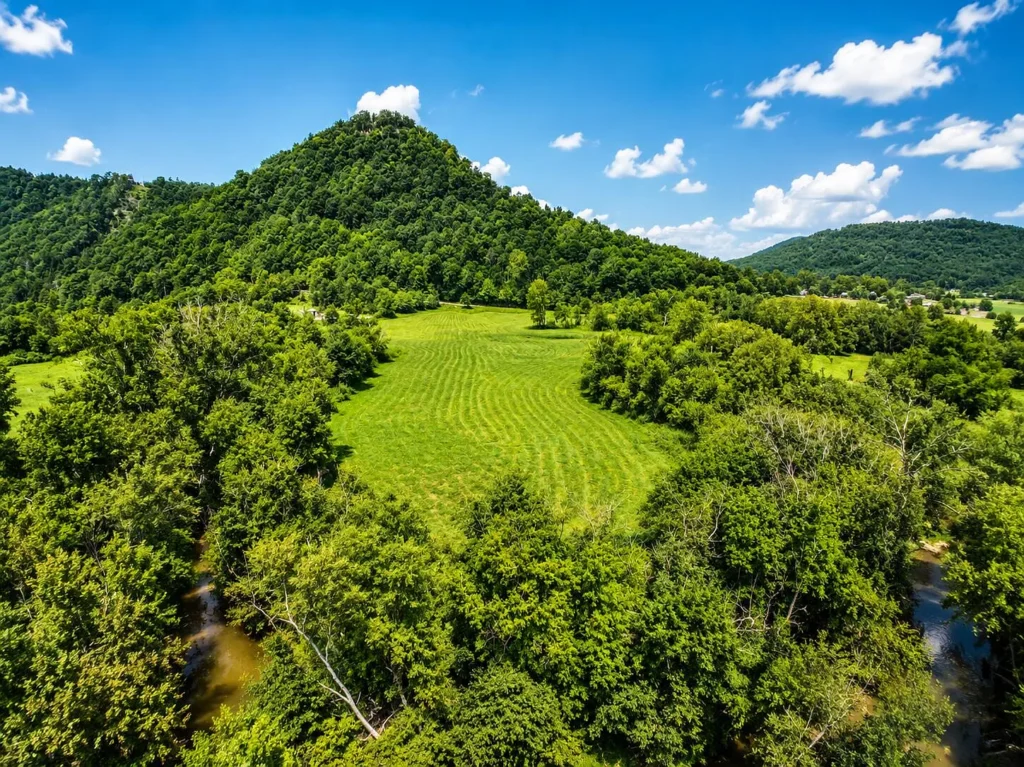
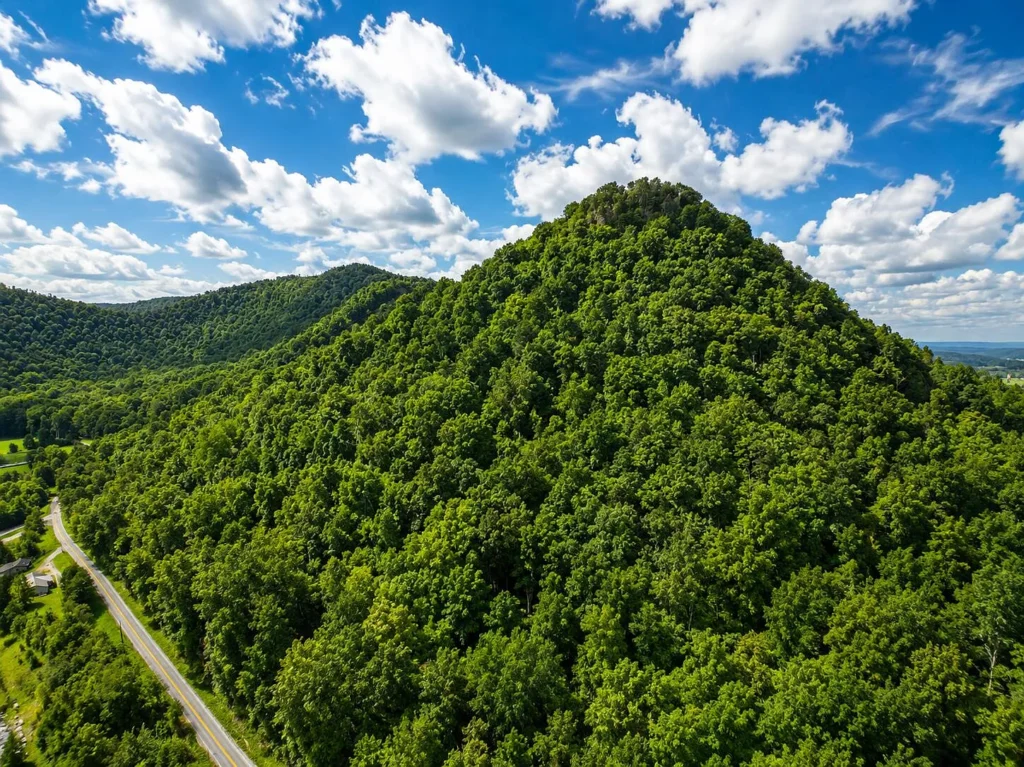
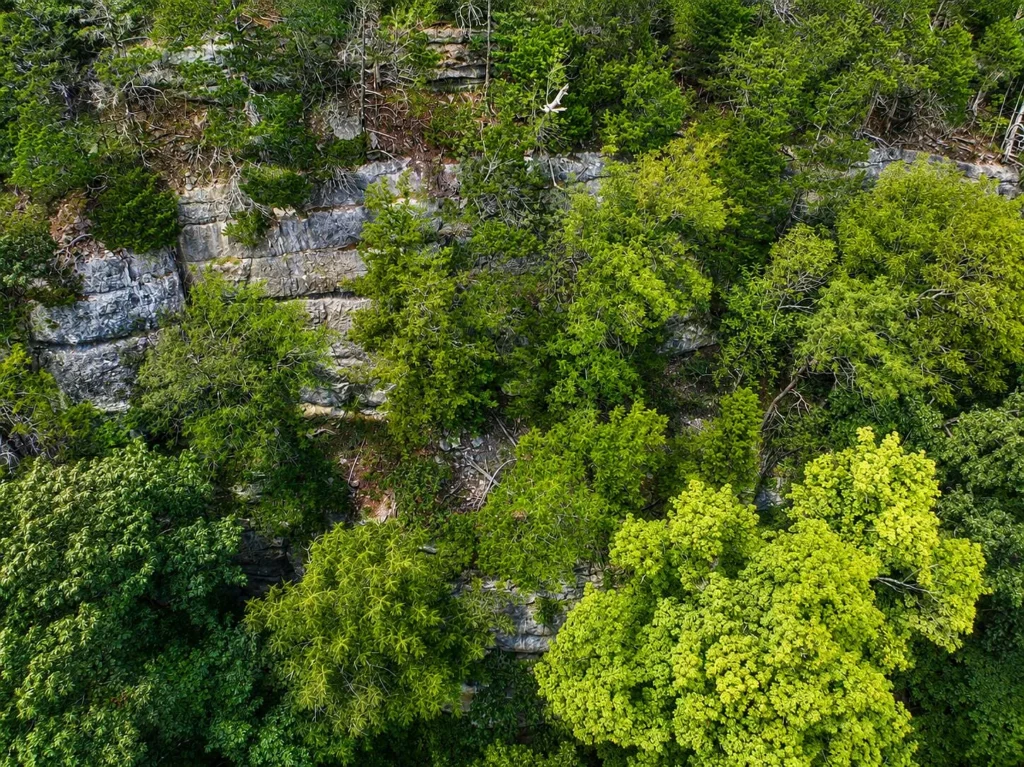
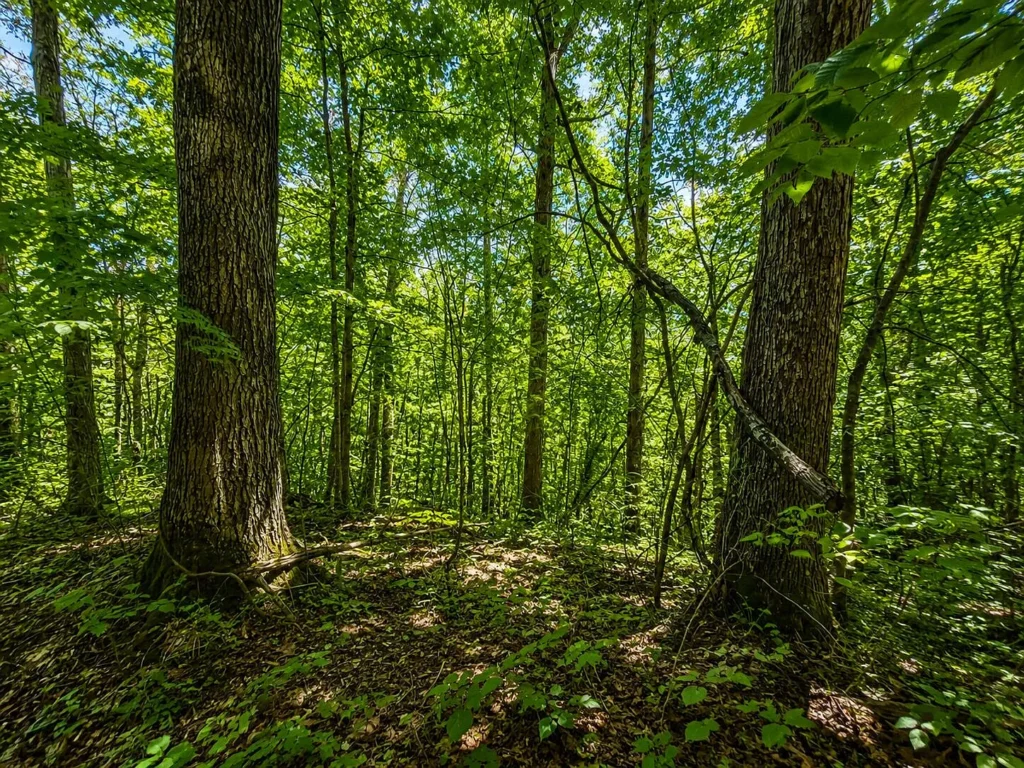
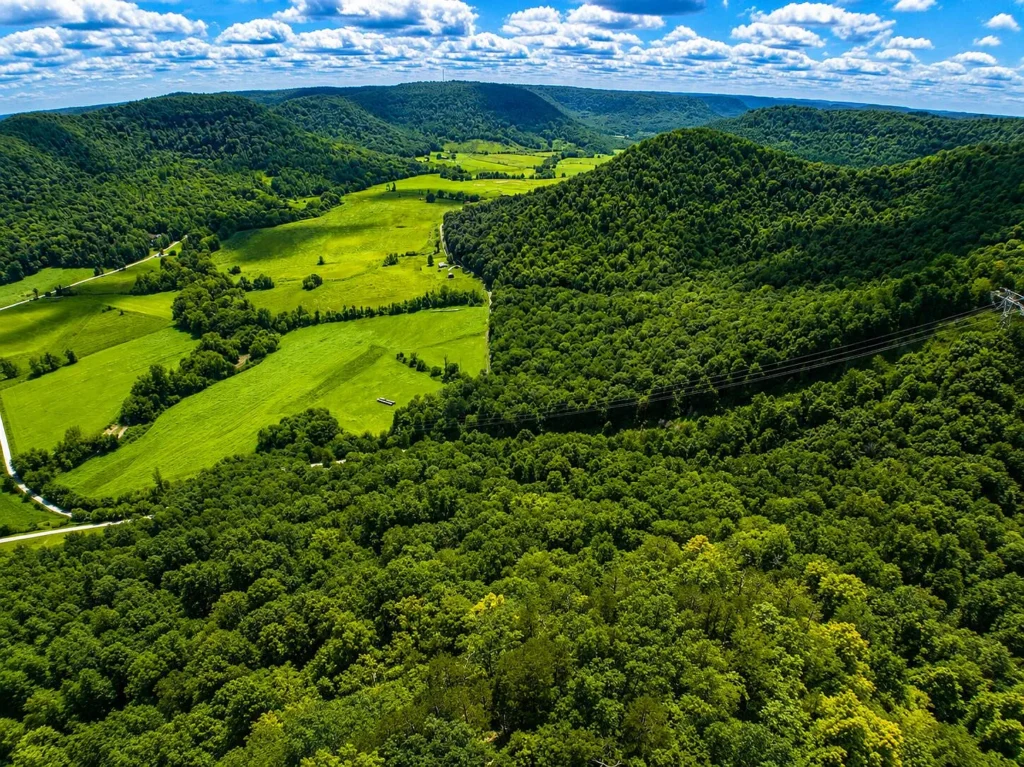
One of the property’s most notable reported characteristics is its wooded landscape, which includes a mixture of Appalachian hardwood species. The supplied description identifies white oak, red oak, black oak, yellow poplar, hickory, and hard maple among the trees present.
White oak can be commercially valuable when individual trees meet the required standards for sawtimber or other specialized uses. Red oak, black oak, and yellow poplar may also have commercial applications, depending on tree quality, dimensions, local mill demand, and harvesting conditions. Hickory and hard maple can contribute to the overall timber mix.
However, the presence of mature hardwoods does not automatically mean that a parcel contains timber that can be harvested profitably. The amount of merchantable wood, tree quality, access for logging equipment, hauling costs, current market prices, and applicable restrictions all affect the potential return.
Anyone considering the property partly for its timber should arrange an independent timber cruise with a qualified consulting forester. This assessment can estimate the volume and quality of merchantable trees and help determine whether a selective harvest is economically practical.
A carefully planned harvest may generate income while retaining portions of the forest, but the financial outcome cannot be established from a general listing description alone. Buyers should also investigate any existing timber contracts, deed restrictions, easements, or other obligations affecting the land.
Elevated Terrain and Potential Building Locations
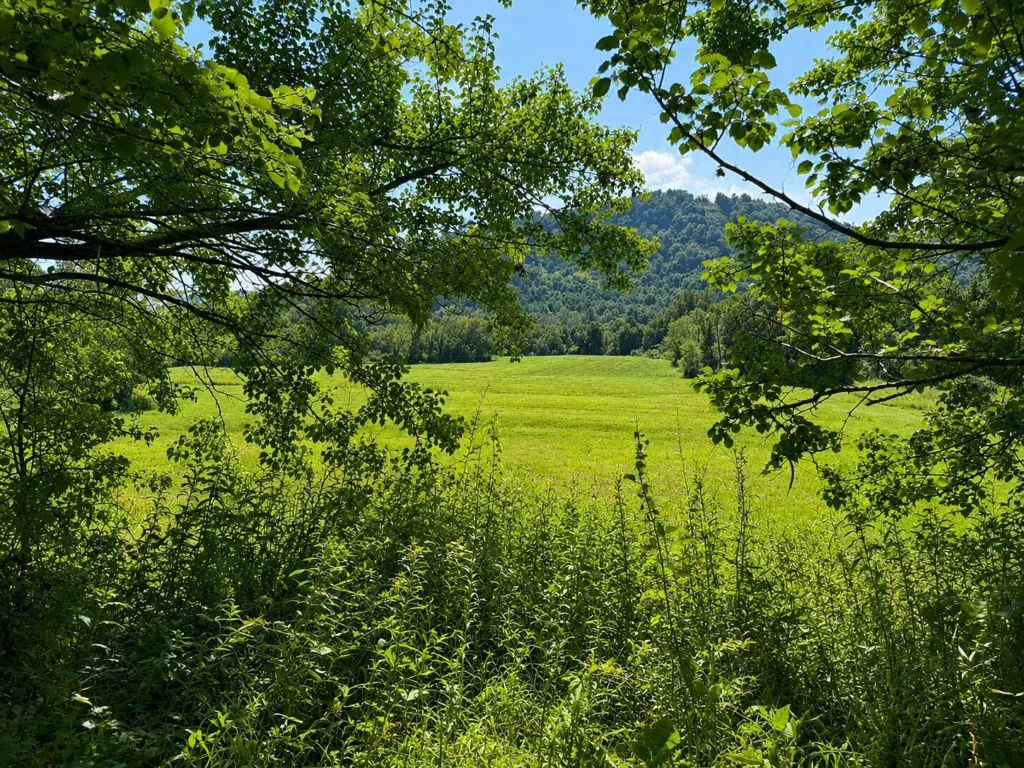
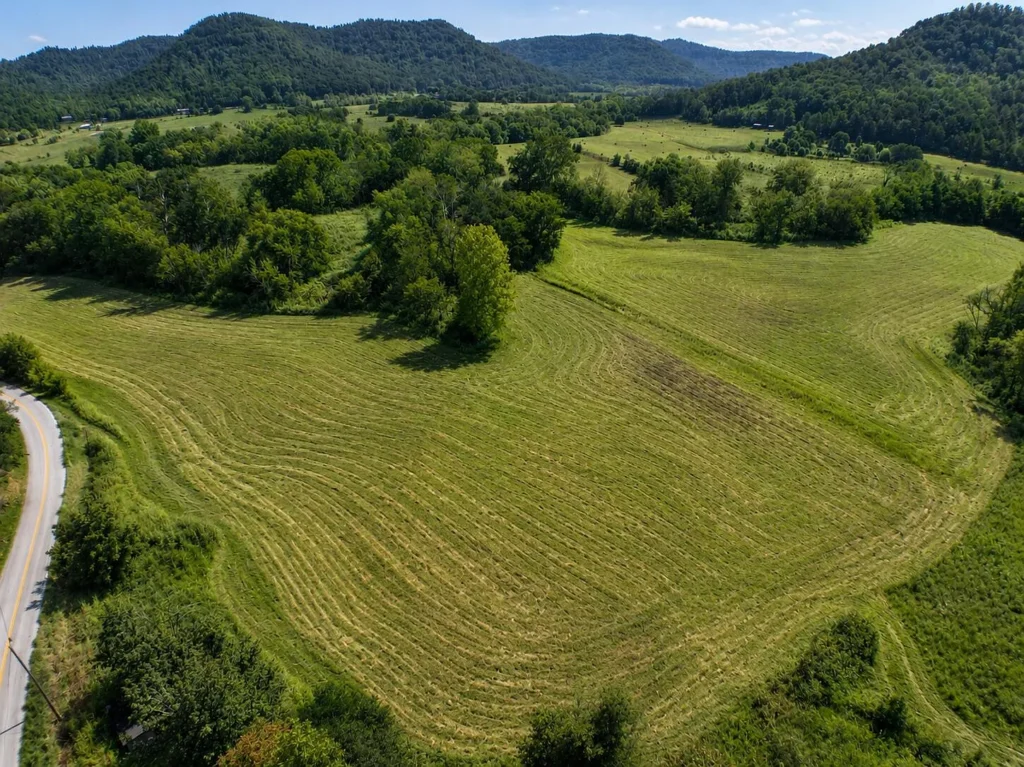
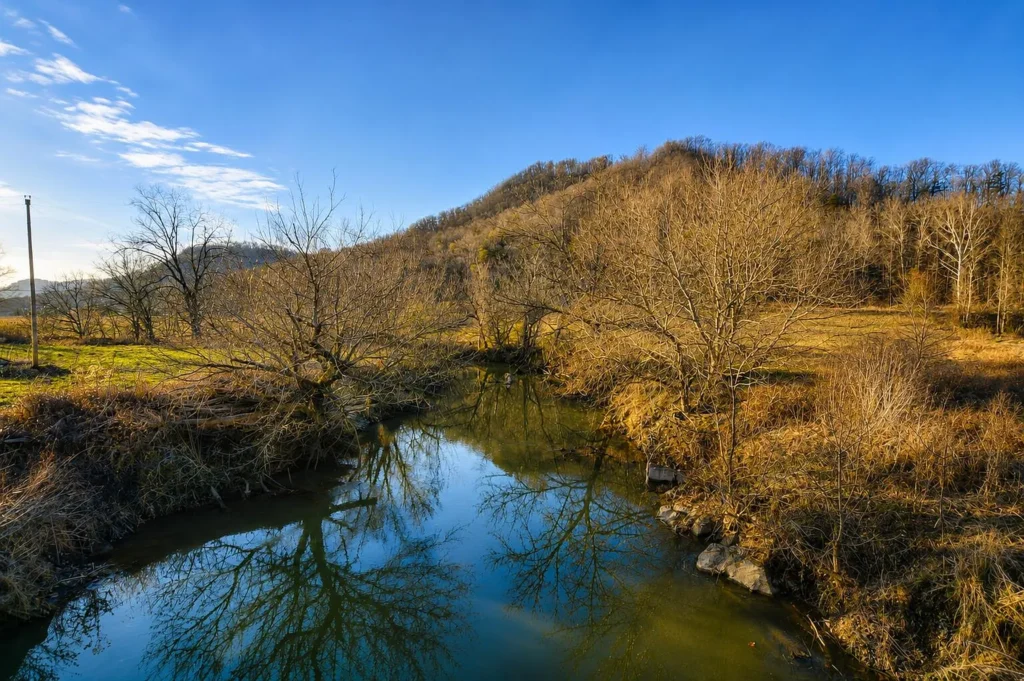
The property is described as having varied topography, with an elevation of approximately 1,100 feet above mean sea level. Its terrain reportedly includes lower roadside areas, intermediate benches, and higher ground with views across Red Lick Valley.
The lower portion near Red Lick Road may be worth examining for driveway access, utility connections, and a possible homesite. The middle slopes could offer more secluded locations for a cabin, while higher areas may provide broader views of the surrounding Appalachian landscape.
These possibilities depend on the actual slope, soil conditions, drainage, access, and local development requirements. A seemingly level bench is not necessarily suitable for a house, and steep sections can require substantial grading, retaining structures, or specialized construction.
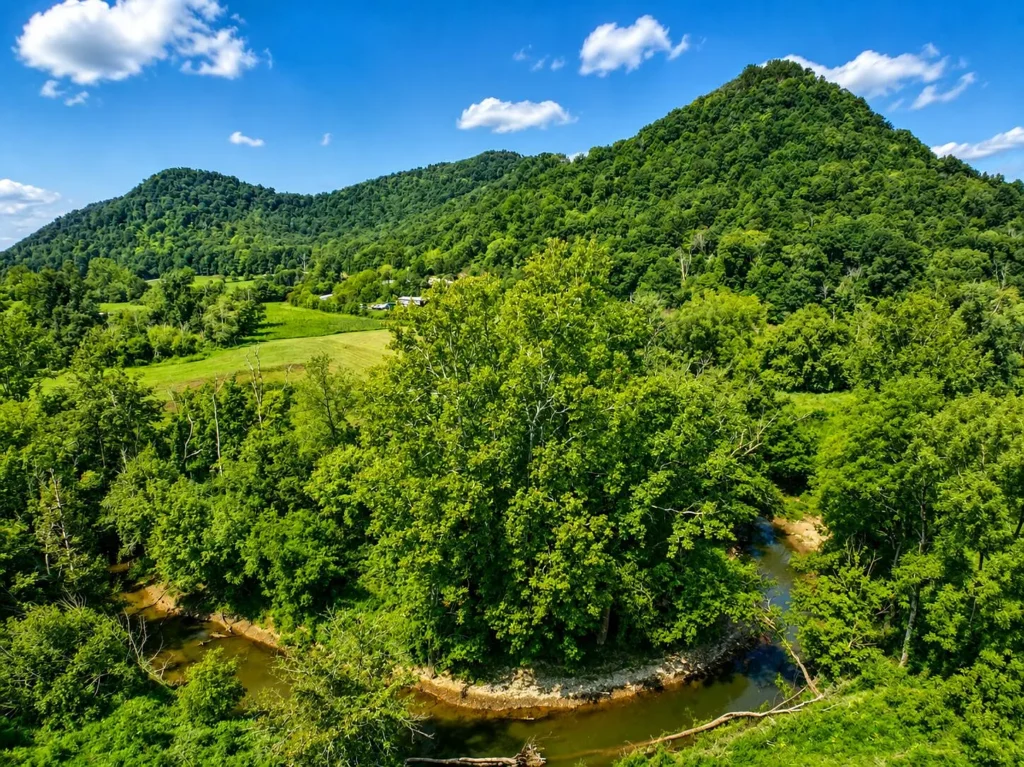
The supplied information states that the property sits above the floodplain of Red Lick Creek. Buyers should not rely solely on elevation descriptions when evaluating flood exposure. Official flood mapping, site-specific drainage conditions, and an appropriate survey should be reviewed before choosing a building location.
For someone planning a primary residence or recreational cabin, a site visit with a qualified local builder or land-development professional could help identify practical building areas and estimate the preparation work required.
Road Frontage and Reported Utility Availability
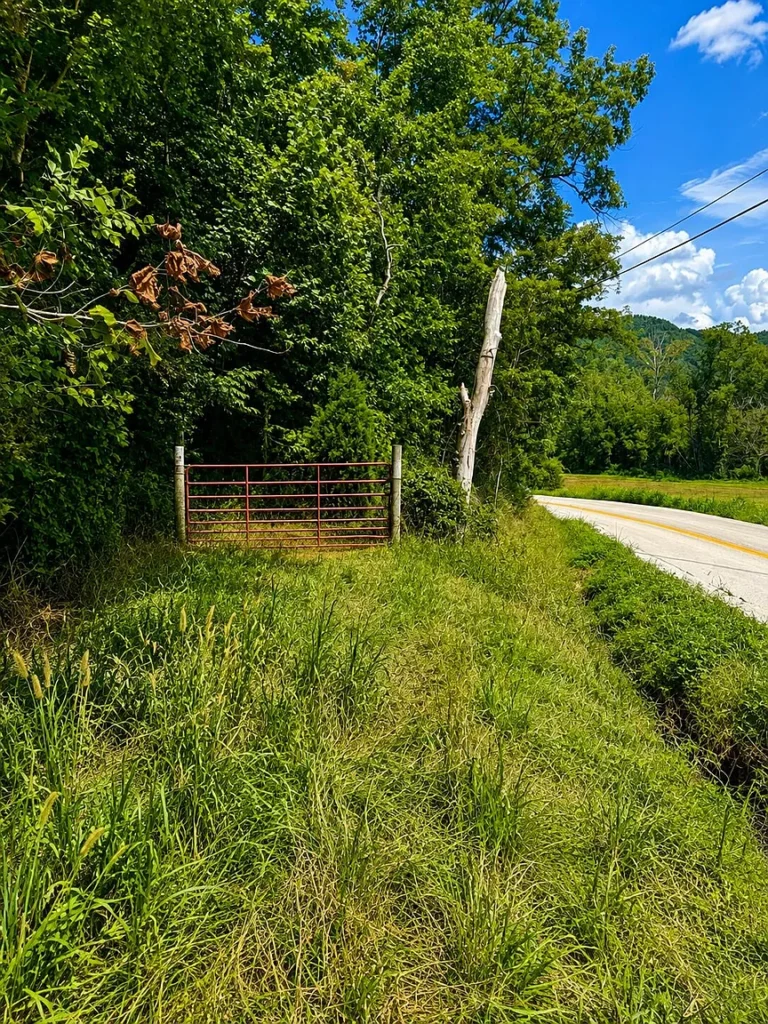
Access and infrastructure can be important considerations when comparing rural parcels. According to the supplied property description, this tract has frontage along a state-maintained paved road, identified as KY Route 499, with electricity, public water, and high-speed internet reportedly available along the roadside.
If confirmed, these services could reduce the need for some of the infrastructure work commonly associated with remote rural properties. Nevertheless, utilities running near a parcel do not necessarily mean that a connection is already installed or that every part of the land can be served.
Before closing, buyers should contact the relevant utility providers to establish connection costs, tap fees, service capacity, meter locations, and any required easements. Internet service should also be confirmed with the provider, including the exact technology and speeds available at the property.
A new driveway entrance may require approval from the Kentucky Transportation Cabinet or another responsible road authority. Buyers should verify the applicable permitting process and determine whether the proposed entrance meets visibility, drainage, and access requirements.
Recreational Use and Wildlife Habitat
The property’s wooded setting may appeal to hunters, hikers, and buyers seeking outdoor recreation in Eastern Kentucky. Mature oak stands can provide acorns that support wildlife, while the mix of forest cover and varied terrain may create habitat for several species.
White-tailed deer and wild turkey are commonly associated with suitable woodland and mixed rural habitats in the region. Black bears also occur in parts of Eastern Kentucky, although their presence and activity on a particular parcel should not be assumed without reliable local evidence.
Potential hunting use depends on legal access, applicable seasons and regulations, safe shooting locations, and any restrictions imposed by the property deed or neighboring land arrangements. Buyers should also establish whether access roads and trails exist, whether they are usable throughout the year, and whether any portions of the property are subject to easements or other third-party rights.
For a recreational owner, the acreage could provide room for walking trails, wildlife observation, or other low-impact outdoor activities. The practical options will depend on the terrain, boundaries, and the owner’s intended use.
Location Near Irvine and Berea
The property is described as being within reach of several Eastern Kentucky communities and outdoor destinations. The supplied listing information gives approximate driving distances of 14 miles to downtown Irvine, 18 miles to Berea, and 24 miles to Richmond. It also places the tract approximately 38 miles from the Red River Gorge Geological Area.
These distances may make the property worth considering for buyers who want a rural setting without being entirely removed from shopping, services, and regional attractions. Actual travel times can vary with the precise route, traffic, weather, and road conditions, so buyers should check current directions before relying on the estimates.
The wider region offers access to Appalachian scenery and outdoor recreation, but proximity to a tourist destination does not guarantee demand for a vacation rental. Anyone considering short-term rental cabins should investigate local zoning, building requirements, septic capacity, insurance costs, access conditions, and the area’s actual rental market before developing a business plan.
Development Possibilities and Potential Costs
Several uses may be worth investigating, including a private residence, a recreational cabin, hunting land, or a limited cabin development. The property’s reported road frontage and nearby utilities could be helpful, but no particular development should be considered approved or ready to proceed without further checks.
The supplied information references a possible $30,000 development budget. Added to the $126,000 asking price, that would produce a preliminary total of $156,000, or approximately $3,627.91 per acre across the full 43 acres.
That calculation is illustrative rather than a verified construction budget. The actual cost of preparing even one homesite could vary considerably depending on grading, driveway construction, utility connections, soil conditions, septic installation, permits, and building specifications. A multi-cabin project would require a separate, more detailed assessment.
Before budgeting for construction, buyers should determine whether the preferred building area can support a permitted septic system. A qualified soil evaluator and the relevant health department can explain testing and approval requirements. Utility providers should separately confirm connection costs and service availability.
It is also important to verify applicable zoning, land-use restrictions, building codes, and subdivision requirements. The possibility of building a cabin or operating a short-term rental should not be treated as a guaranteed right simply because the land is large or utilities are nearby.
Property Taxes and Ongoing Ownership Expenses
The supplied description estimates annual property taxes at approximately $380 to $520, equivalent to roughly $31.67 to $43.33 per month when averaged over a year. These amounts should be treated as estimates until confirmed with the Estill County Property Valuation Administrator and the relevant taxing authorities.
The total cost of ownership could include more than property taxes. Depending on the buyer’s plans, expenses may include liability insurance, boundary maintenance, road or driveway upkeep, forestry consultations, security, debris removal, surveys, and any required improvements.
Buyers should also verify whether the property has any recorded easements, deed restrictions, unpaid assessments, or other obligations that could affect its use or cost of ownership.
What Buyers Should Verify Before Making an Offer
A thorough due-diligence process can help establish whether the property’s features match the listing description and the buyer’s intended use.
- Commission a timber assessment. Ask a qualified consulting forester to estimate merchantable timber volume, tree quality, harvesting expenses, and likely marketability.
- Verify the boundaries and acreage. Obtain a current survey or other appropriate boundary confirmation and compare it with the county parcel records.
- Evaluate potential building sites. Have qualified professionals assess slope, drainage, access, soil conditions, and the practicality of preparing a homesite.
- Confirm septic feasibility. Arrange the required soil evaluations and obtain guidance from the responsible local authority before assuming a septic system can be installed.
- Check utility connection costs. Contact the electric provider, water district, and internet providers to confirm availability, capacity, connection fees, and service locations.
- Review driveway access requirements. Confirm whether a new entrance needs a permit and whether the intended location can be approved.
- Investigate legal restrictions. Review title records, easements, deed restrictions, timber agreements, and applicable land-use rules.
- Confirm taxes and carrying costs. Obtain current tax information directly from the county and account for insurance, maintenance, and any planned improvements.
Final Thoughts
Listed for $126,000, the 43-acre property at 2924 Red Lick Road in Irvine, Kentucky, combines a substantial wooded acreage with reported mature hardwood timber, paved-road frontage, nearby utilities, varied terrain, and potential valley views. At approximately $2,930 per acre, the asking price provides a useful starting point for comparison with other rural land listings, but it does not independently establish a discount or investment return.
The property’s strongest potential appeal may be to buyers who value recreational acreage, want to investigate a timber-management opportunity, or hope to establish a private rural homesite. Its actual suitability will depend on timber quality, topography, utility connection costs, septic feasibility, legal access, and local development requirements.
As with any rural land purchase, prospective buyers should verify the listing details independently and obtain professional advice where necessary. Timber revenue, construction feasibility, future resale value, and short-term rental income remain uncertain until supported by property-specific assessments and market evidence.
This article is for informational purposes only and is not an appraisal, forestry valuation, legal opinion, or guarantee of development approval or investment performance.

Listed on Zillow