


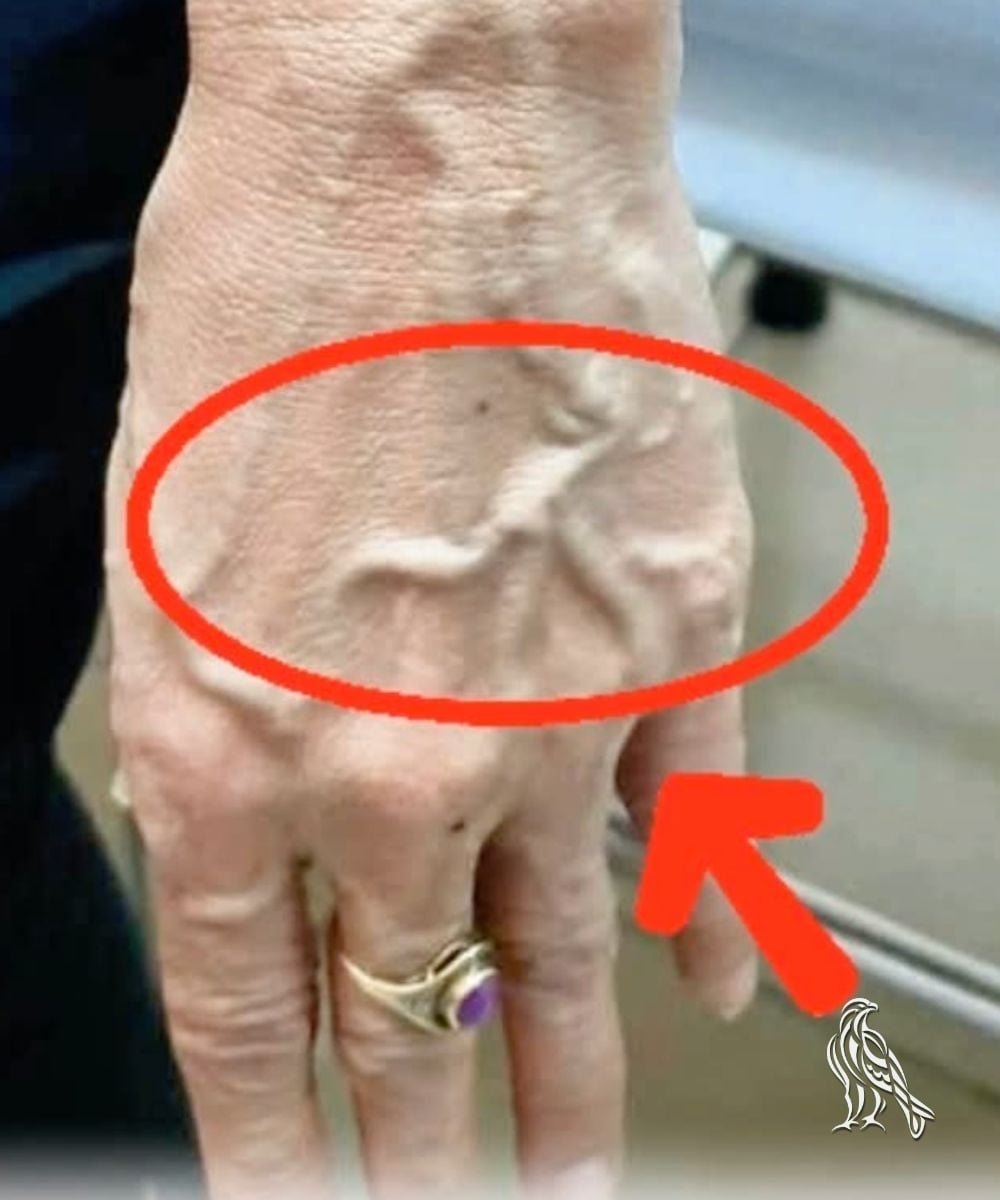

Visible veins often trigger quiet fear, but in most people they are simply the result of anatomy, genetics, and lifestyle—not a failing circulatory system. Thin skin, lower body fat, aging, and regular exercise can all make veins look sharper and more pronounced. Blood vessels sitting closer to the surface are easier to see, especially in lean or very active individuals, and this visibility alone rarely signals disease.
Concern becomes appropriate when vein changes arrive with other symptoms. Aching, heaviness, swelling in the legs or ankles, skin discoloration, or veins that look twisted and rope-like may point to varicose veins or chronic venous insufficiency. These conditions deserve medical evaluation, not silent worry. Meanwhile, simple habits—moving regularly, avoiding long periods of sitting or standing, staying hydrated, elevating your legs, and using compression if advised—support healthy circulation. Knowing what’s normal lets you stop fearing every blue line, while still paying attention when your body truly asks for help.