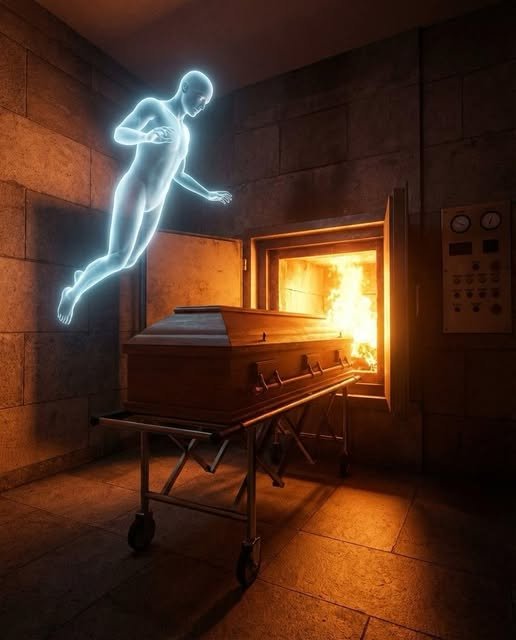

Few questions quiet the heart like those asked at life’s edge: What comes after this world? How should we honor the body when this journey ends? These are not merely practical concerns—they are spiritual ones. As cremation becomes increasingly common in the United States, many people of faith, particularly older adults, reflect on the issue not from fear, but from reverence. They want to act in a way that honors God, respects family, and reflects deeply held beliefs about life, death, and hope.
For believers, final arrangements are more than logistics. They are expressions of stewardship. The body, Scripture teaches, is not disposable; it is part of God’s creation. Christians often point to passages such as 1 Corinthians 6:19–20, which describe the body as a temple of the Holy Spirit. That understanding naturally leads to thoughtful consideration about how the body is treated in death.
Throughout the Bible, burial appears frequently. The patriarchs were laid to rest in family tombs. Abraham was buried in the cave of Machpelah, a site of family significance. Israelite kings were honored in tombs prepared for them. Most notably, Jesus Christ was placed in a tomb after His crucifixion, a detail that carries profound theological symbolism connected to resurrection and hope.
Because of these examples, burial became the dominant tradition in both Jewish and Christian history. Early Christians often distinguished themselves from surrounding pagan cultures by practicing burial, viewing it as a reflection of belief in bodily resurrection. Over centuries, burial developed rich symbolic meaning: the body “laid to rest,” awaiting the promise of renewal.
Yet it is essential to note what Scripture does not say. The Bible consistently presents burial as a customary practice, not a commanded requirement. There is no verse that declares cremation sinful, nor any passage that establishes one method as inherently holy. While certain biblical references associate burning with judgment in specific contexts, those instances are not framed as general instructions regarding funeral practice.
Historically, burial became common largely because of geography, climate, and cultural patterns in the ancient Near East. The soil, the availability of caves, and long-standing family burial traditions shaped practice as much as theology did. Over time, these customs became intertwined with faith identity—but they did not originate as explicit divine mandates.
Today, cremation is often chosen for practical reasons: cost, environmental considerations, limited cemetery space, or family preference. For Christians who believe in bodily resurrection, some worry whether cremation conflicts with that hope. However, traditional Christian theology affirms that God’s power to resurrect is not limited by the physical condition of earthly remains. Whether a body returns to dust through natural decomposition or through fire, the same Creator who formed humanity from dust is fully able to restore life.
Ultimately, the decision between burial and cremation rests in the realm of wisdom, conscience, and family discernment. The guiding principles remain clear: honor the body, reflect faith, act with integrity, and consider the peace of loved ones. Where Scripture gives command, believers obey. Where it is silent, humility and freedom of conscience are appropriate.
In the end, the method of final rest does not define a person’s eternal destiny. Faith in God’s promises does. Whether laid in a grave or reduced to ashes, the Christian hope rests not in the preservation of the body, but in the faithfulness of the One who promises resurrection and life.