


40-Acre Off-Grid Hunting Camp in Michigan’s Upper Peninsula Listed for $150,000
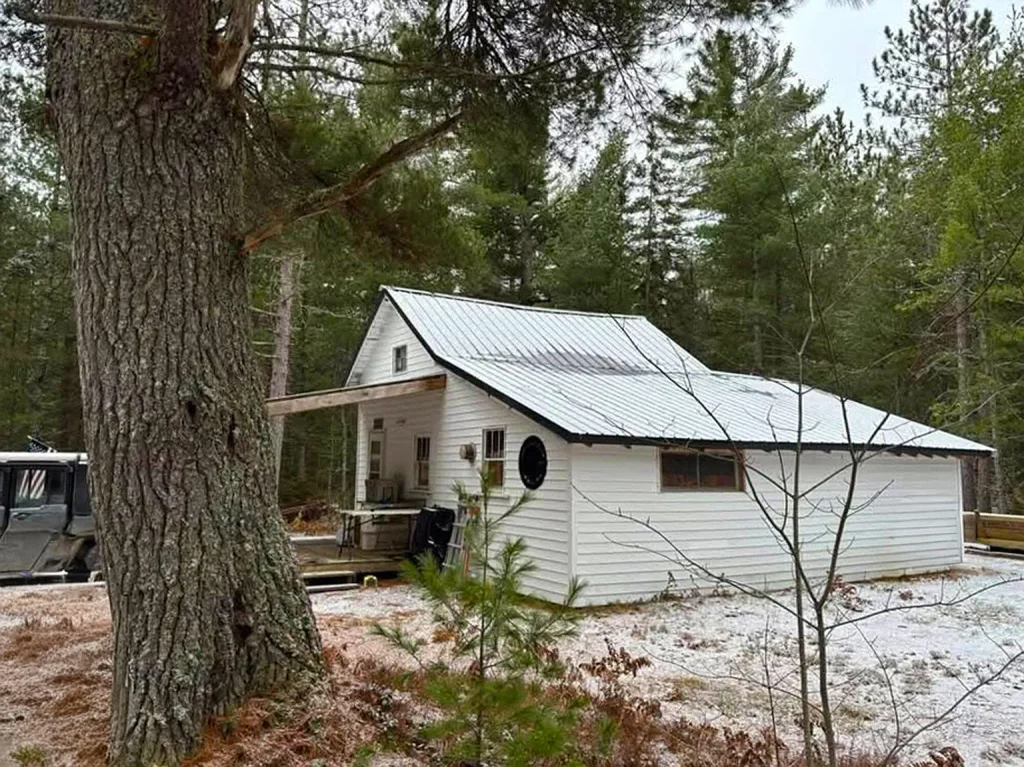
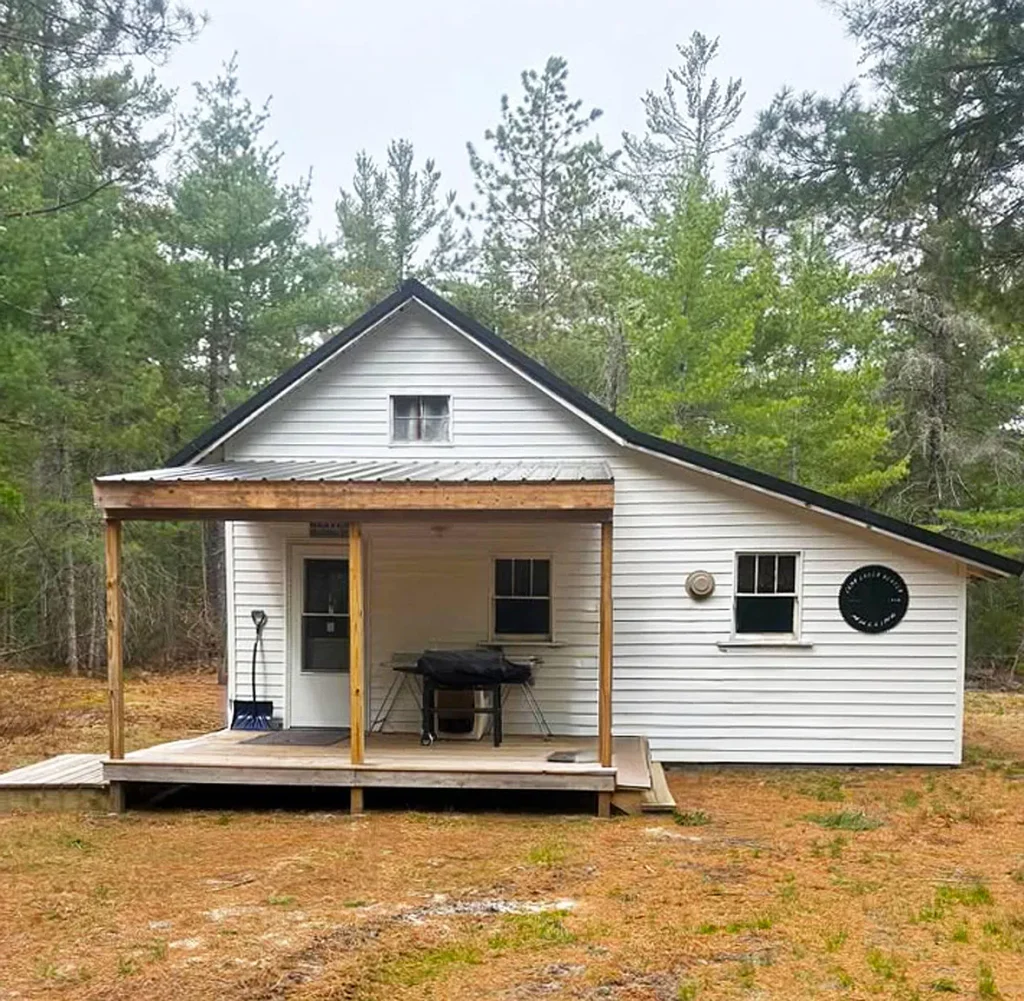
Finding an established off-grid hunting camp on 40 acres in Michigan’s Upper Peninsula can be appealing to buyers looking for privacy, outdoor recreation, and a place to escape the demands of everyday life. A property at FS 3132 in Trout Lake, Michigan, is listed for $150,000 and reportedly includes a historic cabin, drilled well, septic system, solar power, and generator backup.
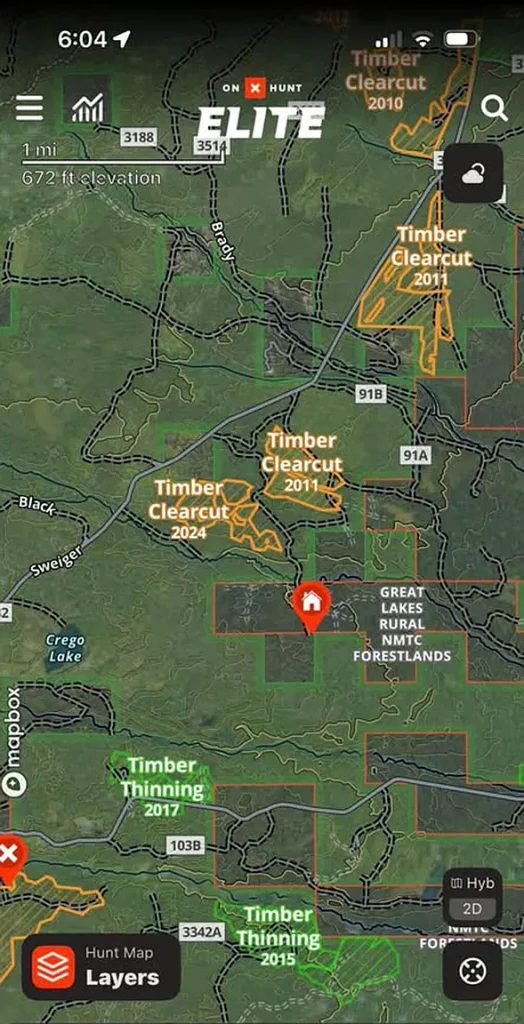
The 40-acre parcel is located in Chippewa County and reportedly shares three of its boundaries with federal forestland. This provides an attractive setting for people interested in hunting, trail riding, and exploring the surrounding public wilderness.
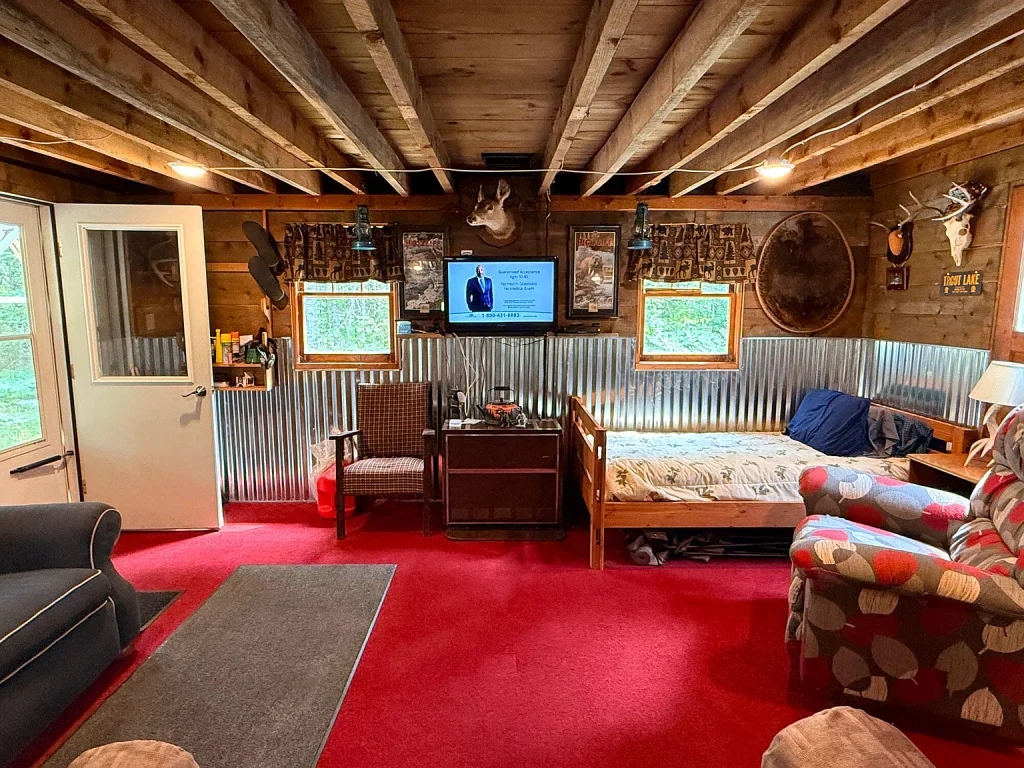
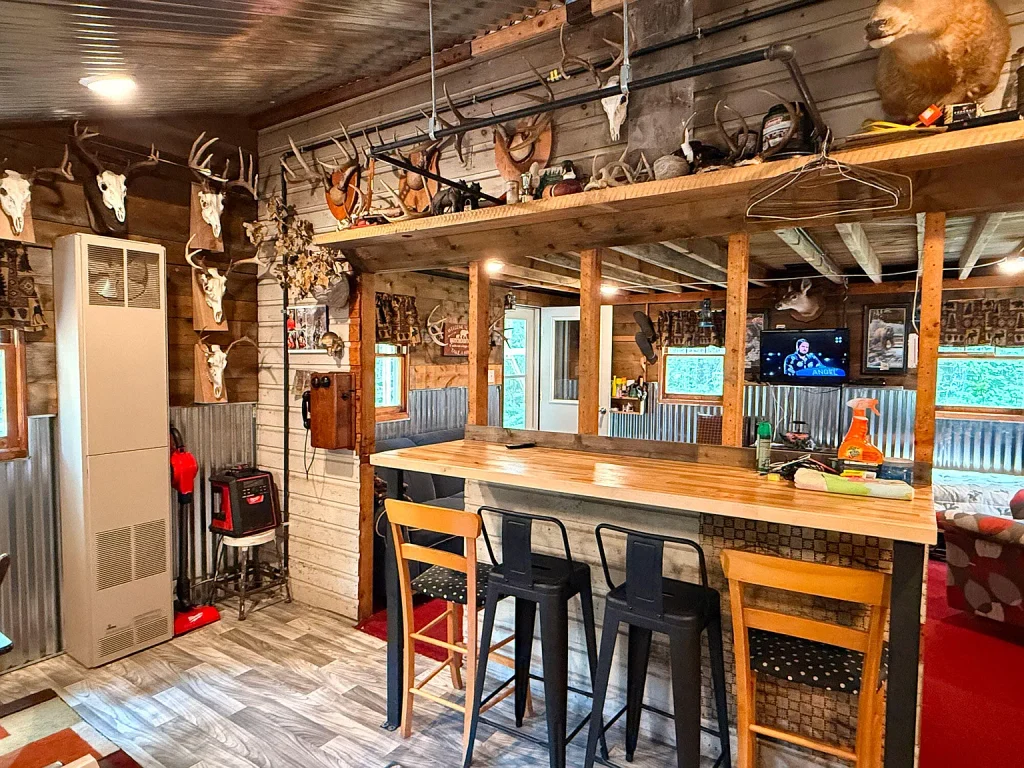
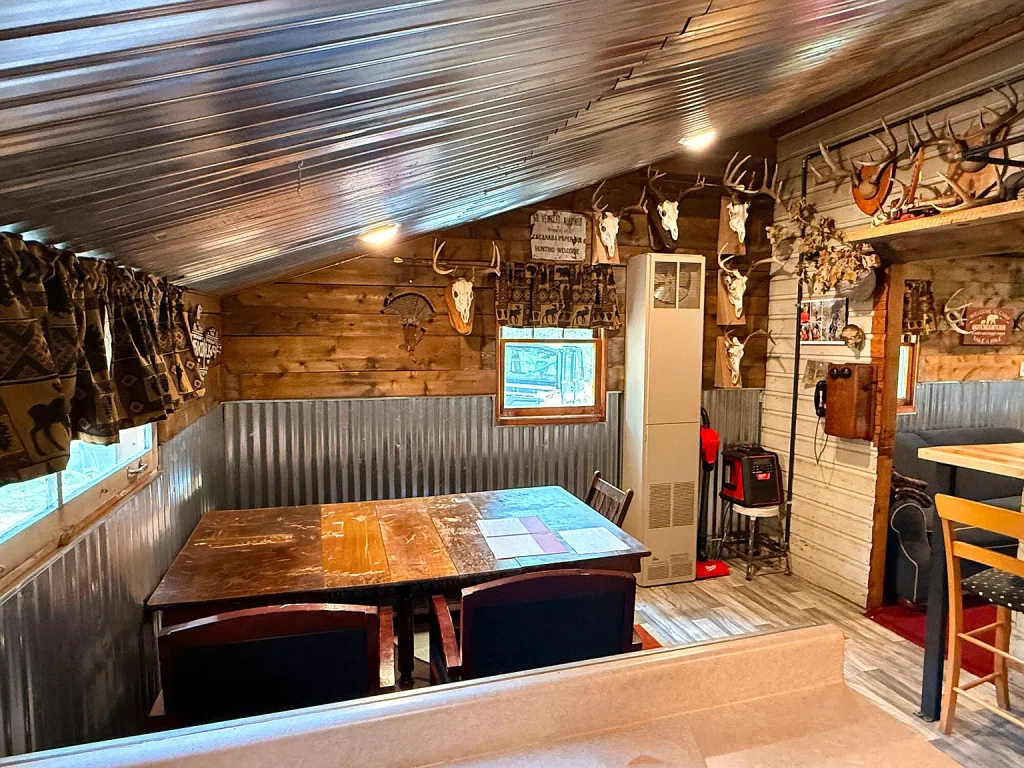
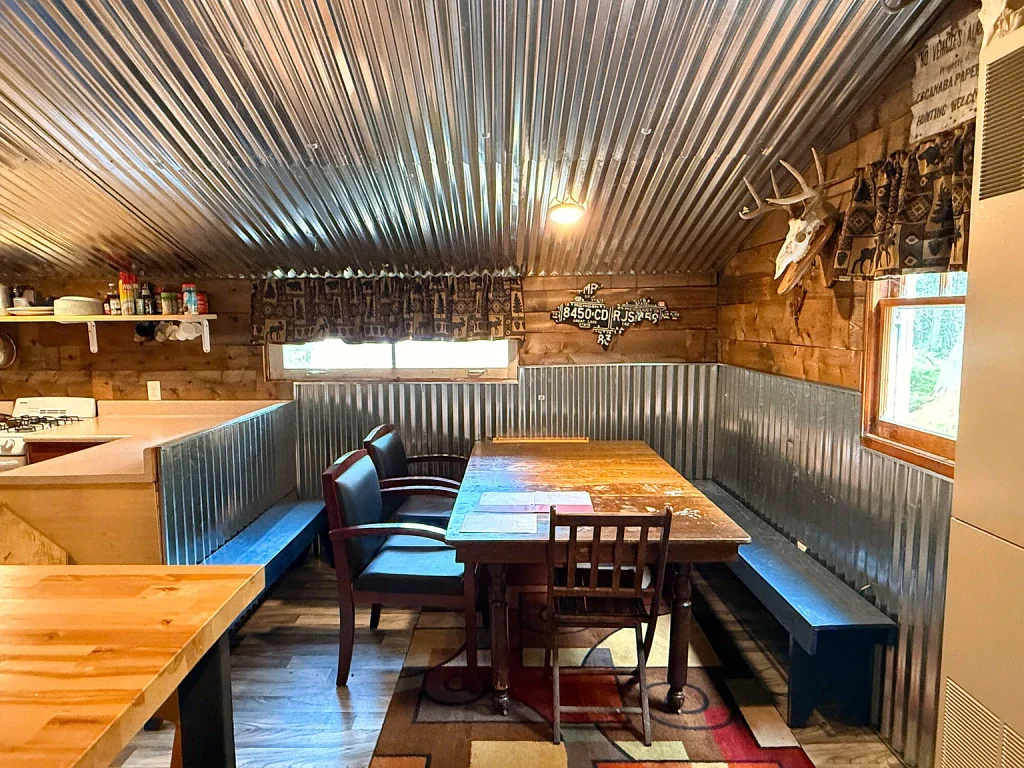
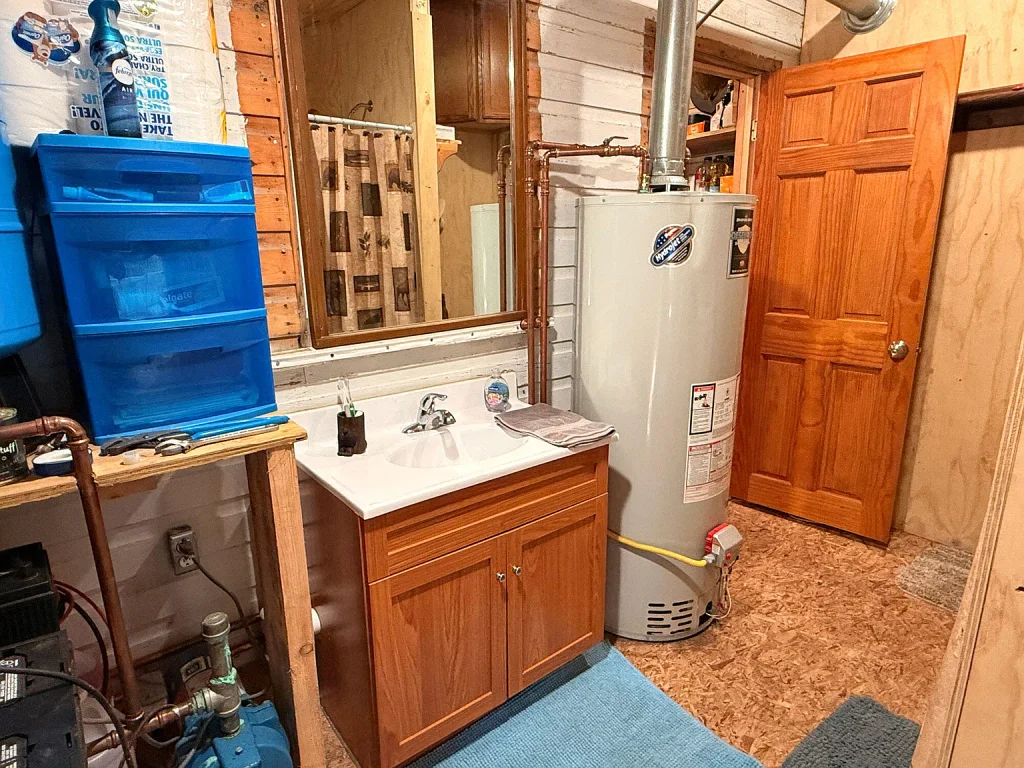
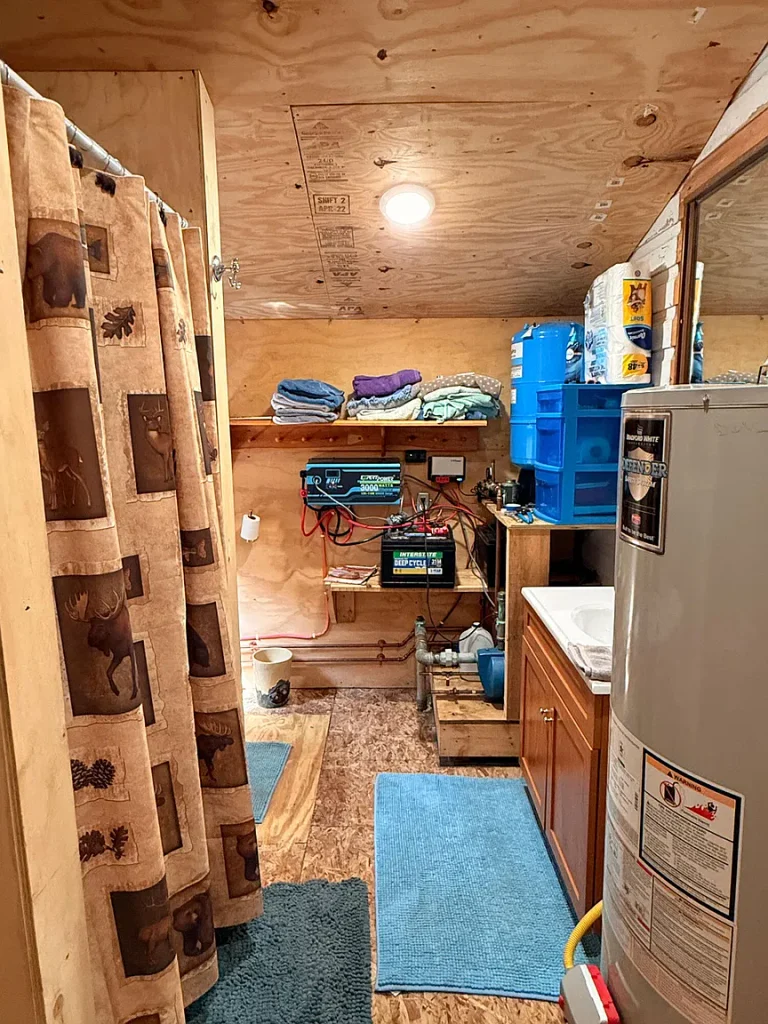
Unlike many remote recreational properties that require substantial work before they can be used comfortably, this camp is described as having an indoor bathroom with a shower, a kitchen, hot water, and a wall furnace.
The asking price works out to approximately $3,750 per acre, including the existing camp and improvements. However, buyers should evaluate the access arrangements, condition of the off-grid systems, and permitted property uses before deciding whether the asking price represents good value.
Property Overview: FS 3132, Trout Lake, Michigan
According to the supplied listing information, the property includes:
| Property Detail | Information |
|---|---|
| Asking Price | $150,000 |
| Location | FS 3132, Trout Lake, MI 49793 |
| County | Chippewa County |
| Parcel Number | 01508000200 |
| Total Acreage | 40 acres |
| Property Type | Recreational land with off-grid hunting camp |
| Price Per Acre | Approximately $3,750 |
| Camp | Existing historic cabin |
| Land Borders | Federal forestland on three sides, according to listing |
| Water | Drilled private well |
| Wastewater | Septic system |
| Electricity | Solar power with generator integration |
| Heating | Propane wall furnace |
| Interior Amenities | Kitchen, bathroom, shower, hot water |
| Terrain | Described as flat |
| Access | Partly dependent on ORV or snowmobile travel |
| Annual Property Taxes | Approximately $1,333 |
| HOA | None reported |
| Listing Date | October 12, 2026 |
At $150,000, the property offers a combination of acreage and existing improvements that may interest buyers who would rather purchase an established camp than begin developing a remote parcel from scratch.
The price-per-acre calculation is a simple comparison, not an independent valuation. It includes the cabin and installed infrastructure, and does not account for the condition or replacement cost of those improvements.
A Private Wilderness Setting in Michigan’s Upper Peninsula
One of the property’s most appealing characteristics is its reported location beside federal forestland.
The listing states that three sides of the 40-acre parcel border federal forest. This could provide convenient access to a much larger surrounding landscape, subject to public-land boundaries, access rules, and applicable regulations.
For outdoor enthusiasts, nearby public forestland can expand recreational opportunities beyond the acreage included in the purchase.
The setting may appeal to people who enjoy:
- Hunting and wildlife observation
- Hiking and exploring wooded trails
- ATV and ORV riding where permitted
- Snowmobiling during the winter season
- Birdwatching and nature photography
- Quiet weekends away from populated areas
The surrounding forest is described as suitable habitat for ruffed grouse, woodcock, whitetail deer, black bear, and smaller game species.
However, wildlife populations and hunting opportunities vary by season and location. Buyers should review current Michigan hunting regulations, licensing requirements, public-land rules, and access restrictions before planning recreational activities.
The federal forest boundaries should also be confirmed through a survey or reliable parcel mapping. Buyers should not assume that every nearby trail or section of public land is accessible directly from the property.
Forty Acres of Flat Recreational Land
The parcel is described as having relatively flat terrain across its 40 acres.
Level ground can be useful for maintaining existing trails, accessing the camp, and planning permitted recreational improvements.
For someone interested in using the property as a hunting base, a relatively level landscape may also make it easier to move equipment and maintain outdoor areas.
However, the description of the property as completely flat should be verified in person. Even land that appears level can contain low areas, drainage channels, wetlands, or sections with different soil conditions.
Before considering additional structures, buyers should investigate zoning, setbacks, building requirements, wetland restrictions, and any other applicable land-use rules.
The parcel’s existing recreational character does not automatically establish that new residential or commercial development will be permitted.
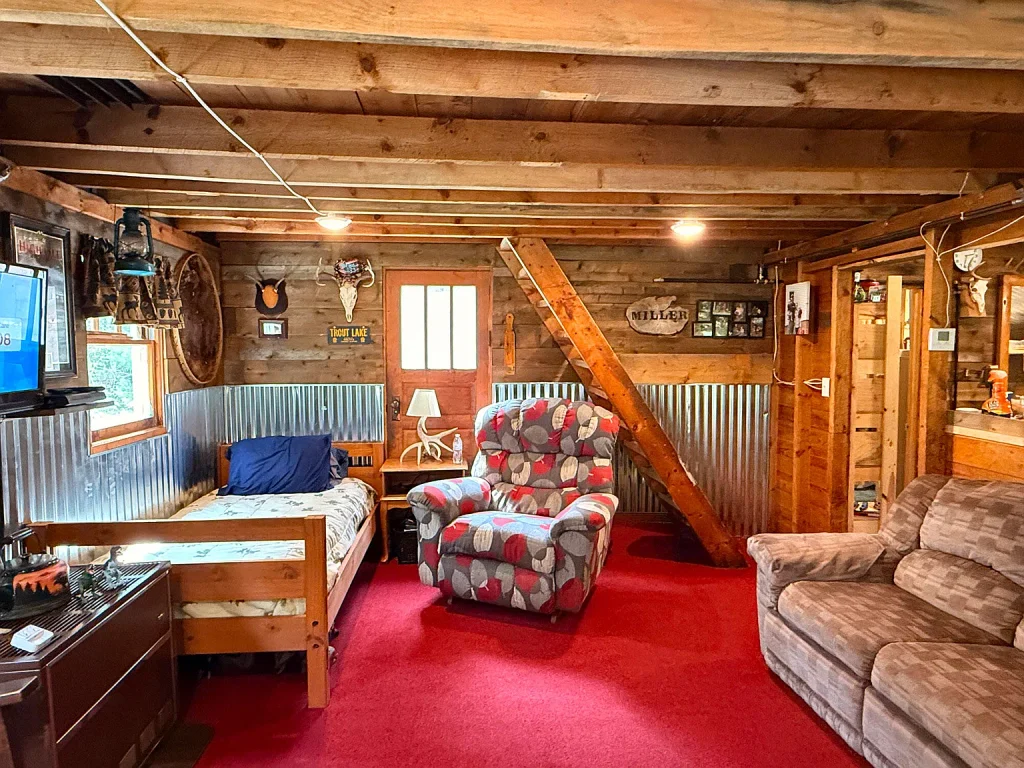
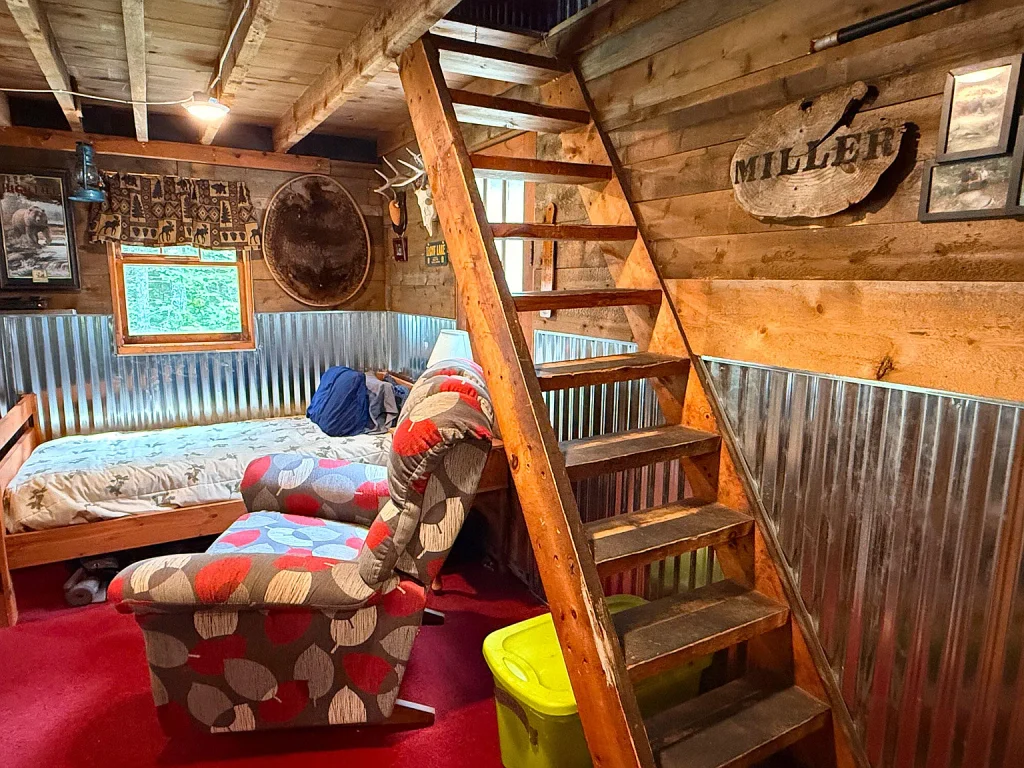
Inside the Historic Hunting Camp
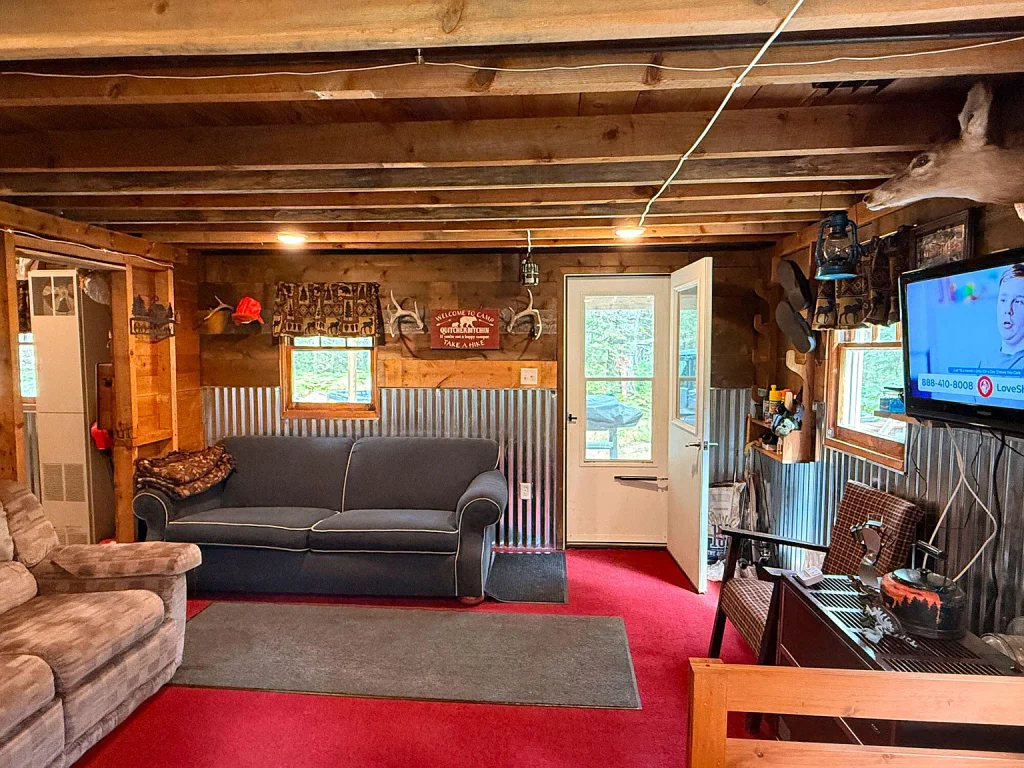
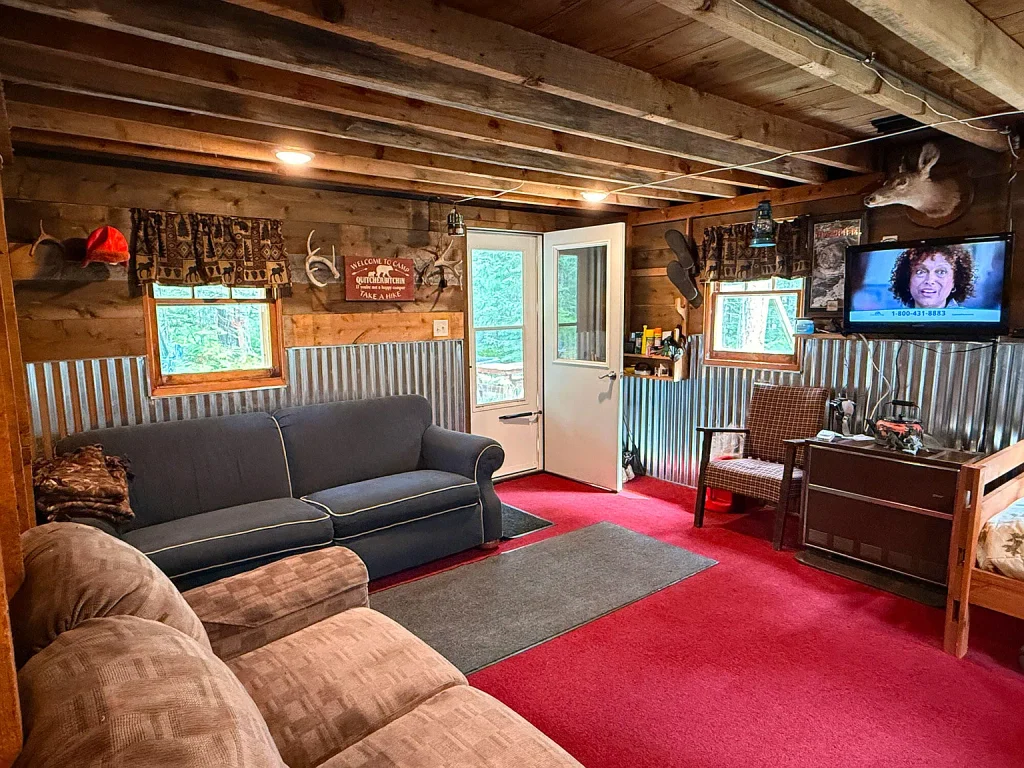
The existing camp is an important part of the property’s appeal.
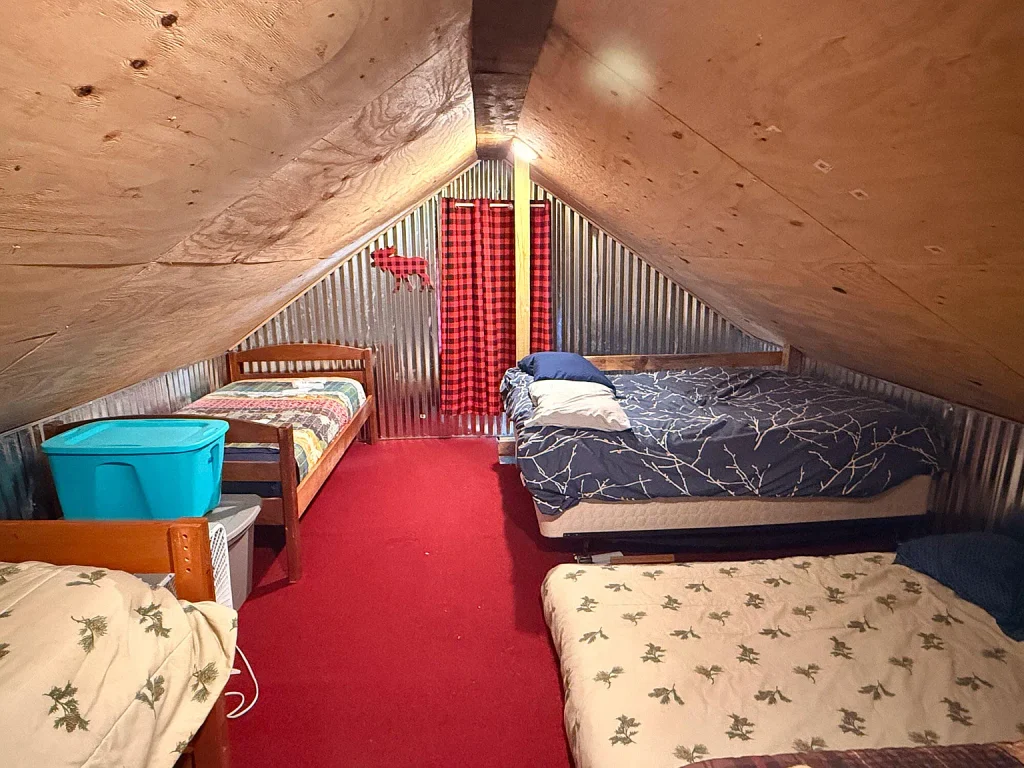
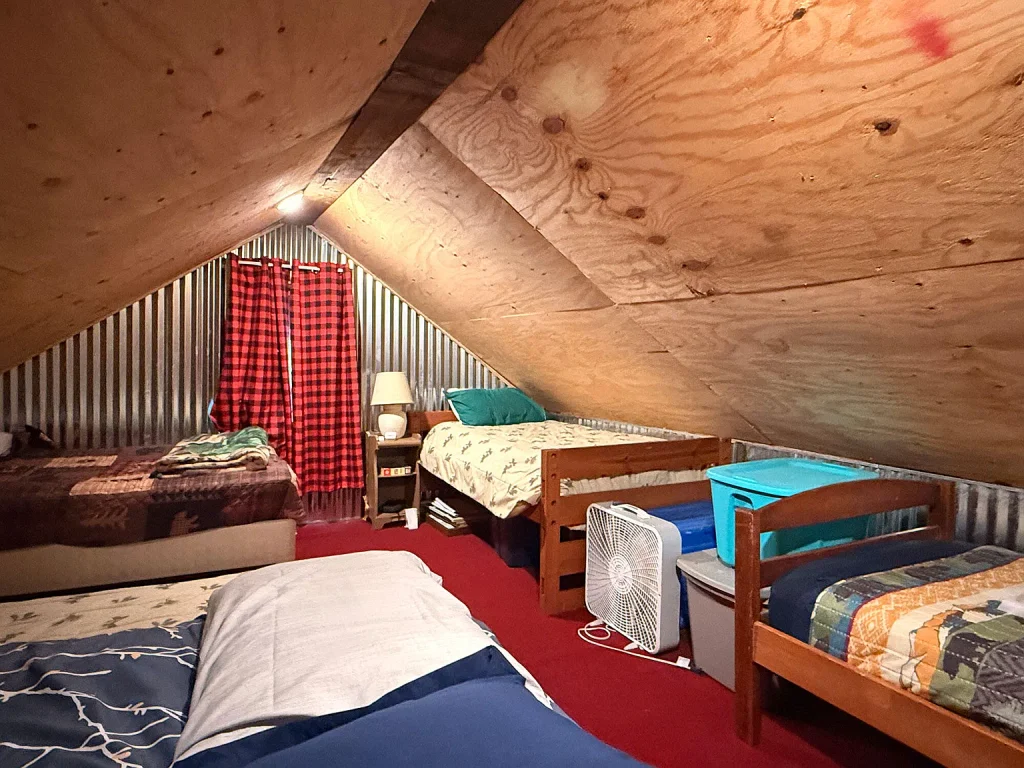
The listing describes a historic cabin with a kitchen, bathroom, indoor shower, hot water, and wall furnace. It also references vintage camp journals dating back to the 1940s, reportedly preserving stories associated with the property’s hunting history.
These historical materials may add character, although buyers should establish which items are actually included in the sale.
For a remote hunting property, having an established indoor living space can make a significant difference. It provides a place to prepare meals, rest between outdoor activities, and stay overnight without relying entirely on temporary camping equipment.
The listing does not provide a verified cabin square footage or a complete structural description, so buyers should arrange an inspection to establish the building’s condition and identify any repairs that may be needed.
Off-Grid Utilities: Well, Septic, Solar and Generator
One of the most significant advantages described in the listing is the existing utility infrastructure.
Developing a remote property can involve substantial expenses for water access, wastewater treatment, electricity, and heating. Having these systems already installed may reduce the amount of initial work required.
Nevertheless, installed systems should not automatically be considered fully functional or ready for immediate use. Their condition, capacity, permits, and maintenance history need to be verified.
Drilled Private Well
The property reportedly has a drilled private well supplying water to the cabin.
A private well can be an important feature for an off-grid retreat because it may provide an independent water source without relying on a public water connection.
Before purchasing, buyers should arrange for:
- Water-quality testing
- A well-flow and recovery test
- Inspection of the pump and pressure tank
- Review of available installation and maintenance records
- Evaluation of plumbing and winterization arrangements
The presence of a drilled well does not by itself establish that the water is safe to drink or that the system can meet the property’s needs throughout the year.
Septic System and Indoor Bathroom
The listing identifies an installed septic system and describes a bathroom with a flush toilet and indoor shower.
This is a meaningful convenience for a recreational camp, particularly during extended hunting trips or winter visits.
However, buyers should obtain available septic permits and maintenance records and arrange a professional inspection.
The condition of the tank, drain field, connections, and surrounding soil should be evaluated. The system’s capacity should also be checked against the number of occupants and the property’s intended use.
Solar Power and Generator Backup
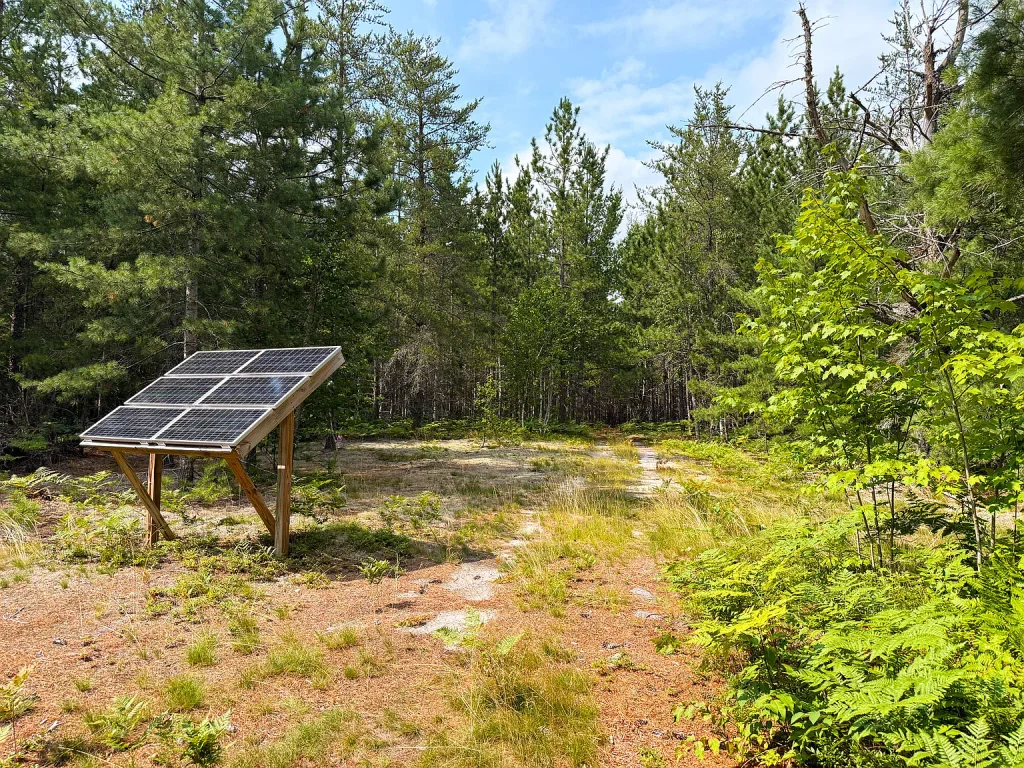
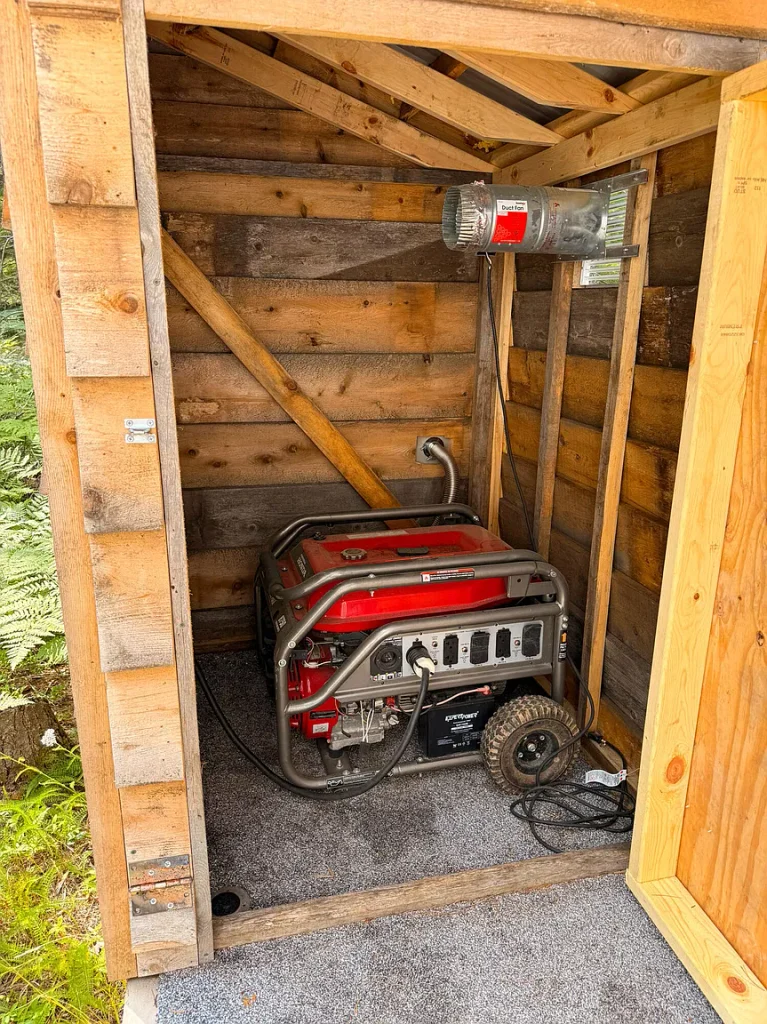
The cabin reportedly uses solar panels with generator integration.
This type of arrangement can provide electricity in a remote location without a conventional utility connection.
Solar systems may support lighting, television, charging equipment, and selected appliances, depending on their design and capacity. A generator can provide additional power when solar production or battery storage is insufficient.
The important question is how much usable electricity the system can actually provide.
A qualified technician should inspect:
- Solar panel condition and output
- Battery type, age, and storage capacity
- Charge controllers and inverter
- Generator condition and operating hours
- Transfer switches and electrical wiring
- System maintenance records
Buyers should also determine which appliances can operate simultaneously and how frequently the generator needs to run.
The listing describes the system as an established off-grid setup, but its actual performance should be demonstrated rather than assumed.
Propane Wall Furnace
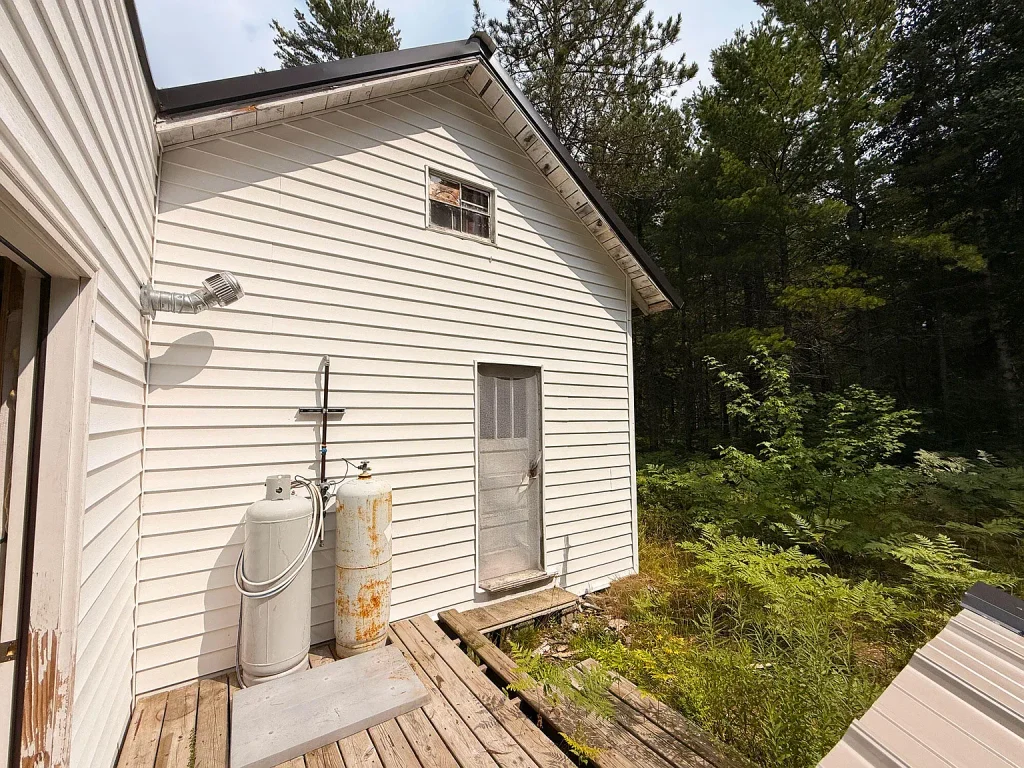
A propane wall furnace reportedly provides interior heating.
This can be useful during colder months in Michigan’s Upper Peninsula, where winter conditions can be demanding.
Before relying on the system, buyers should have the furnace, ventilation, fuel connections, and storage arrangements professionally inspected.
They should also confirm propane tank ownership or rental arrangements, fuel availability, and the cost of maintaining comfortable indoor temperatures.
Access: An Important Consideration for Year-Round Use
The listing identifies remote access as one of the property’s defining characteristics. A portion of the route is reportedly accessible only by ORV or snowmobile.
This may be attractive to trail riders and recreational users who enjoy reaching a secluded camp through the surrounding wilderness.
However, it is also a practical limitation that deserves careful attention.
Buyers should determine exactly where conventional vehicle access ends and where ORV or snowmobile travel becomes necessary.
Important questions include:
- Can a standard vehicle reach the cabin during dry-weather conditions?
- Is there a legal recorded access easement?
- Who maintains the access route?
- Are there seasonal closures or restrictions?
- Can emergency and service vehicles reach the property?
- What equipment is needed to transport supplies?
- Are winter access routes maintained or simply used by snowmobiles?
The distinction between legal access and physical access is particularly important. A trail that can be traveled by an ORV does not necessarily establish a permanent legal right to use it.
Prospective buyers should visit the property under different seasonal conditions if possible and confirm access rights before closing.
Is $150,000 a Good Price for 40 Acres?
The asking price of $150,000 works out to approximately $3,750 per acre.
For a property that reportedly includes an existing cabin, drilled well, septic system, solar power, generator integration, and three federal forest boundaries, the combination may attract buyers seeking an established recreational base.
However, the price-per-acre figure should not be compared directly with vacant land sales.
The advertised price includes the existing improvements, and their condition can materially affect the property’s overall value.
The supplied information also does not establish that installing comparable systems elsewhere would necessarily cost $20,000 to $35,000 or more. Actual installation costs depend on location, permitting, site conditions, equipment, labor, and system specifications.
A more useful valuation approach would compare the property with other Upper Peninsula recreational parcels that have similar acreage, access conditions, cabin improvements, and utility arrangements.
Buyers should also consider the potential cost of replacing the solar batteries, repairing the well, servicing the septic system, or improving the access route.
Property Taxes and Ongoing Ownership Costs
The supplied listing reports annual property taxes of approximately $1,333.
That works out to roughly $111 per month, although buyers should verify the current tax bill and determine whether future assessments could change the amount.
There is no HOA reported, which means no regular homeowners association fee is identified in the listing.
Even so, a remote off-grid property has ongoing expenses that should be included in the ownership budget.
Potential costs include:
- Propane refills for the heating system
- Generator fuel and maintenance
- Solar battery replacement
- Well pump and plumbing repairs
- Septic inspections and maintenance
- ORV and snowmobile fuel and servicing
- Trail and driveway maintenance
- Insurance and property taxes
- Seasonal winterization and storm preparation
The absence of an HOA does not mean the property is free from maintenance obligations or local regulations.
Due Diligence Checklist Before Buying
Remote recreational properties require more investigation than a typical residential purchase because access, utilities, and permitted uses can be highly location-specific.
Before making an offer, buyers should consider the following checks.
1. Confirm legal and seasonal access
Obtain documentation showing the legal route to the property. Verify whether ORV or snowmobile travel is required for part of the journey and whether access rights change during different seasons.
2. Inspect the septic system
Review permits, maintenance records, tank condition, and drain-field performance. Confirm that the system is approved for the intended occupancy.
3. Evaluate the solar and generator equipment
Have a qualified technician test the panels, batteries, inverter, wiring, and generator. Determine the system’s actual capacity and likely replacement expenses.
4. Test the well and inspect plumbing
Check water quality, flow rate, pump operation, pressure tank, and plumbing. Confirm that exposed lines and equipment are properly protected against freezing.
5. Inspect the heating system
Have the propane wall furnace and associated fuel equipment checked for safe operation, proper ventilation, and maintenance needs.
6. Verify cabin condition and permitted use
Inspect the roof, foundation, exterior, interior, and structural components. Confirm the cabin’s legal status and whether its existing use is consistent with local requirements.
7. Confirm property boundaries and public-land access
Review parcel maps and survey information to verify the reported federal forest boundaries. Determine which public trails and surrounding areas are legally accessible.
8. Investigate wetlands and environmental conditions
Even relatively level land can contain wetlands or areas with drainage limitations. Review relevant maps and obtain professional advice before planning new improvements.
Who Might Find This Trout Lake Property Appealing?
The combination of acreage, an established camp, and off-grid infrastructure makes this property particularly relevant to several types of recreational buyers.
Hunting Base Camp
Hunters looking for a private place to stay during trips may appreciate the existing kitchen, bathroom, shower, heating system, and nearby forestland.
The reported habitat for grouse, woodcock, deer, and other wildlife may add to its recreational appeal, subject to applicable hunting regulations.
ATV and Snowmobile Enthusiasts
The remote access arrangement may appeal to people who already own ORVs or snowmobiles and enjoy traveling through Michigan’s trail networks.
However, buyers should confirm the exact trail connections, legal access, and seasonal restrictions before assuming the camp provides direct access to particular routes.
Off-Grid Recreation
People interested in spending time away from conventional utilities may value the existing well, septic, solar, and generator systems.
The established cabin could offer a more comfortable alternative to starting with an undeveloped parcel.
Buyers Seeking a Long-Term Land Holding
The 40-acre parcel may also interest someone looking for recreational land to hold over time.
However, buyers should not assume guaranteed appreciation, timber income, or future development potential. Those possibilities require separate research and should not be treated as established financial benefits.
Frequently Asked Questions
How much land is included?
The listing describes a 40-acre parcel in Trout Lake, Michigan, in Chippewa County.
What is the asking price?
The property is listed for $150,000, which equals approximately $3,750 per acre when dividing the asking price by the reported acreage.
Does the property have electricity?
The cabin reportedly has a solar power system with generator integration. Buyers should verify the equipment’s condition, storage capacity, and electrical output.
Is there running water and an indoor bathroom?
The listing describes a drilled private well, septic system, hot water, and an indoor bathroom with a shower. All systems should be inspected and tested.
What land borders the property?
According to the listing, federal forestland borders three sides of the 40-acre parcel. Buyers should verify the boundaries and access rights.
Can the property be reached by a regular vehicle?
The supplied description states that a portion of the access route is limited to ORV or snowmobile travel. Buyers should establish the exact access conditions and legal rights before purchasing.
Does the property have an HOA?
No HOA is reported in the supplied listing information.
Final Thoughts: A 40-Acre Off-Grid Hunting Camp in Michigan
At $150,000, FS 3132 in Trout Lake offers a combination of 40 acres, an established hunting camp, and several important off-grid amenities.
The reported federal forest boundaries on three sides could be particularly appealing to buyers who value access to a larger outdoor landscape. The drilled well, septic system, solar power, generator integration, kitchen, bathroom, and propane heating also make the property different from a basic undeveloped hunting parcel.
Still, the remote access arrangement is a major factor. Anyone considering the property should understand how much of the route requires an ORV or snowmobile, whether legal access is secure, and what transportation and maintenance costs may be involved.
The condition of the well, septic, solar equipment, generator, and cabin should also be independently verified.
For someone seeking a secluded Upper Peninsula hunting base or recreational retreat, this property may be worth a closer look. Its strongest appeal is the combination of acreage, existing camp infrastructure, and a wooded setting beside federal forestland.
Original property listing: Fs 3132, Trout Lake, MI 49793