
A rustic cabin, more than 100 acres of Upper Peninsula wilderness, and over half a mile of reported Manistique River frontage make this Michigan property worth examining. But wetlands, limited utilities, and a cabin requiring major restoration create important tradeoffs.
Finding more than 100 acres of land with a cabin and substantial river frontage for under $200,000 is an interesting proposition for buyers searching for recreational property in Michigan’s Upper Peninsula.
One property currently advertised at $195,000 is located along River Road near Manistique, Michigan. The listing describes approximately 101.79 acres, more than half a mile of frontage along the Manistique River, and an existing rustic cabin of approximately 540 square feet.
The property also borders State of Michigan land on two sides, according to the listing.
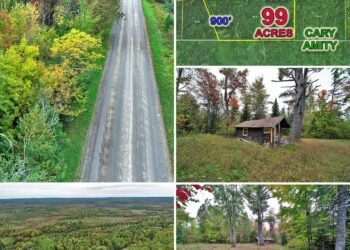
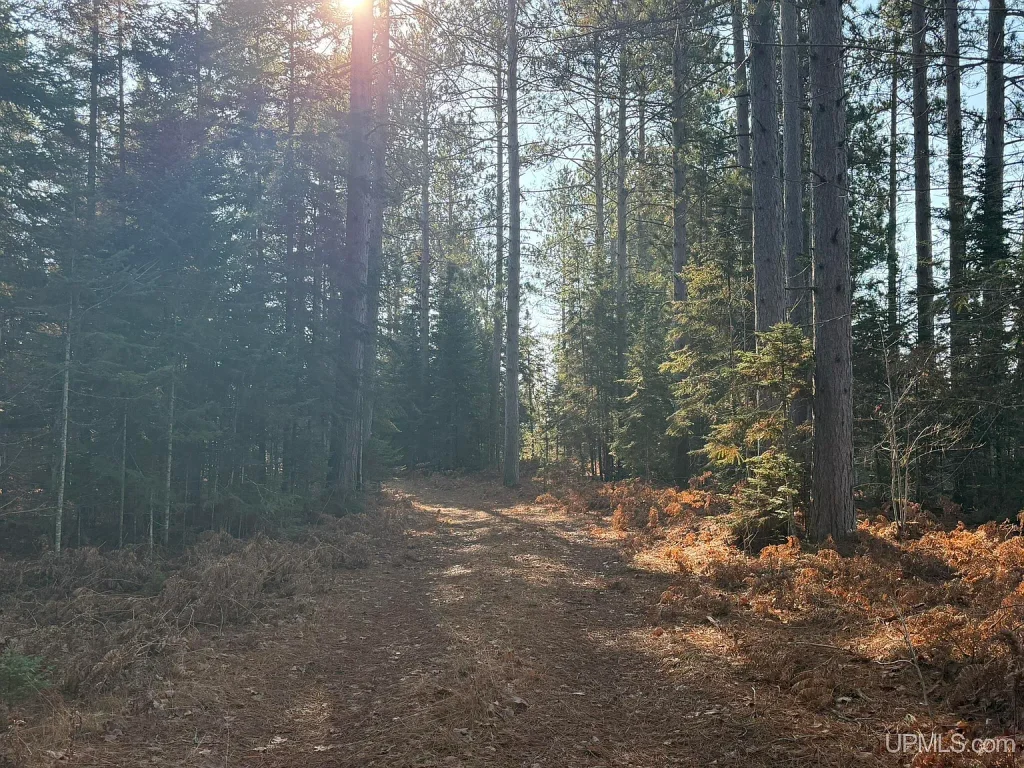
At first glance, it appears to offer many features associated with a private Northwoods getaway: forest, wildlife habitat, winding waterways, and a small log-style cabin surrounded by trees.
However, this is not a ready-to-use waterfront vacation home. The cabin needs substantial restoration, there is no listed electrical service, well, or septic system, and wetlands may make parts of the acreage difficult to reach or improve.
For the right buyer, those limitations may be manageable. For someone expecting a comfortable cabin with easy access to the river, they could be dealbreakers.
Property Overview: 101.79 Acres Near Manistique, Michigan
| Property detail | Listing information |
|---|---|
| Address | TBD River Rd, Manistique, MI 49854 |
| Asking price | $195,000 |
| Land area | 101.79 acres |
| Existing cabin | Approximately 540 sq ft |
| Bedrooms | Not specified |
| Bathrooms | Not specified |
| Waterfront | Manistique River |
| River frontage | Advertised as more than half a mile |
| Road | Gravel, with county-maintained access described |
| Electricity | No existing service reported |
| Water supply | None reported |
| Septic system | None reported |
| HOA | No |
| Annual property tax | $1,259, as reported |
| Zoning | Resource Production; residential description also shown |
| Listing date | October 29, 2026 |
Information is based on the supplied property listing and may change. Buyers should verify all material details independently.
The property is described as approximately 20 miles northeast of Manistique, with access from County Road 436.
That location offers a distinctly rural setting, but it also makes travel logistics important. Buyers should confirm driving times, road maintenance, winter accessibility, and access to essential services before planning regular visits.
The Main Attraction: Over Half a Mile of Manistique River Frontage
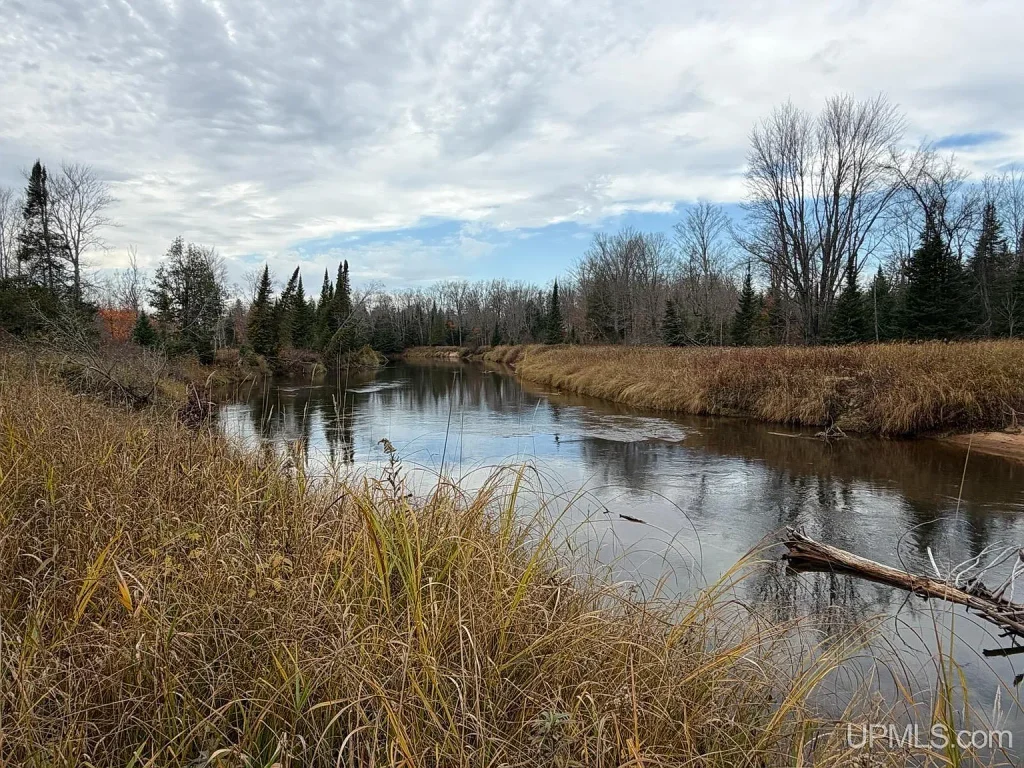
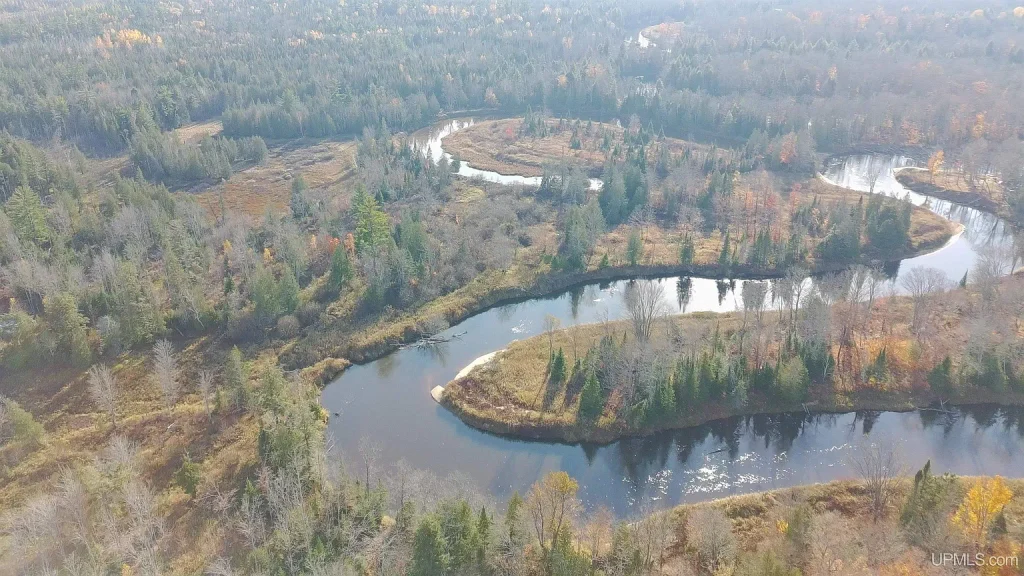
The most distinctive feature of this property is its reported frontage along the Manistique River.
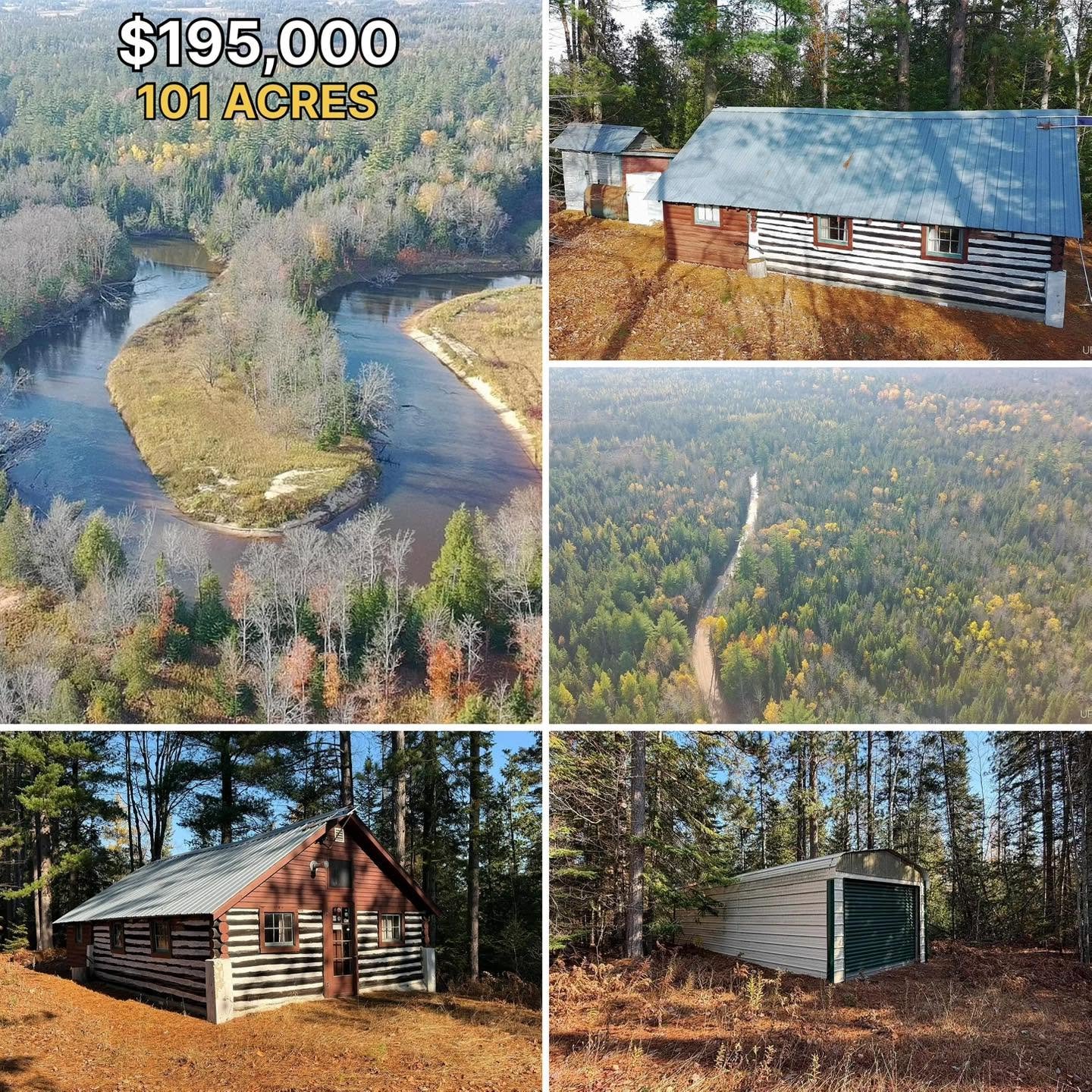
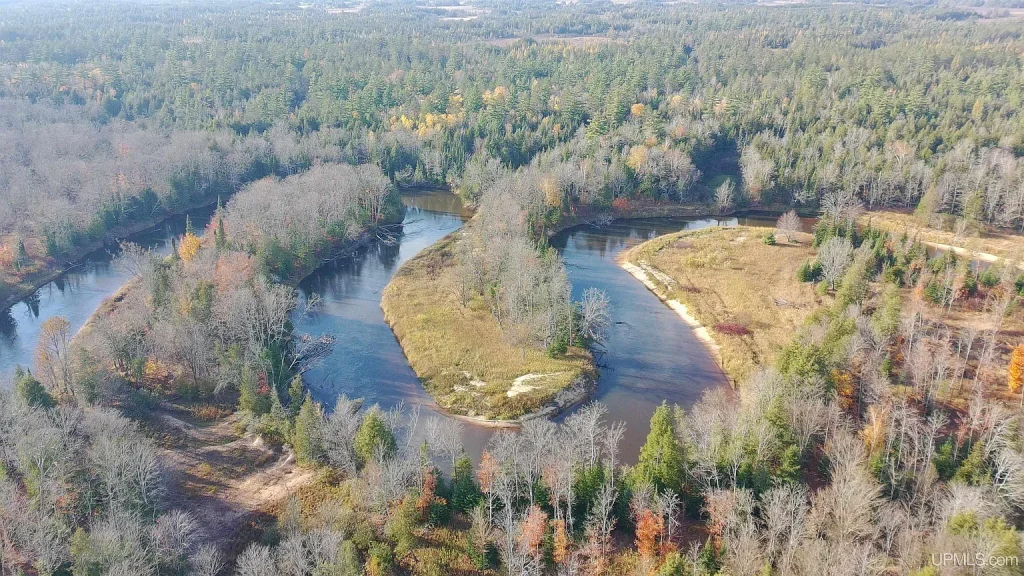
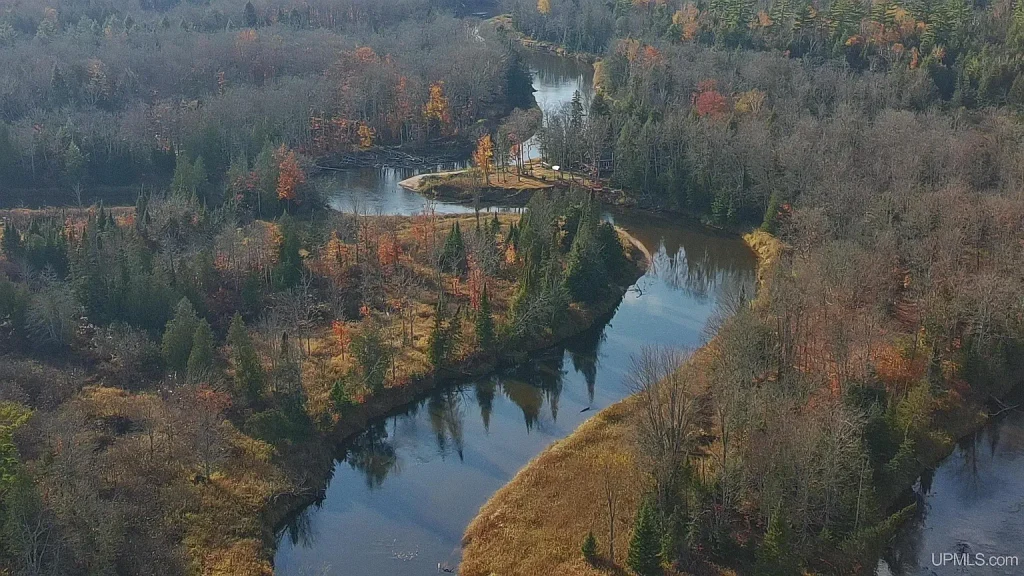
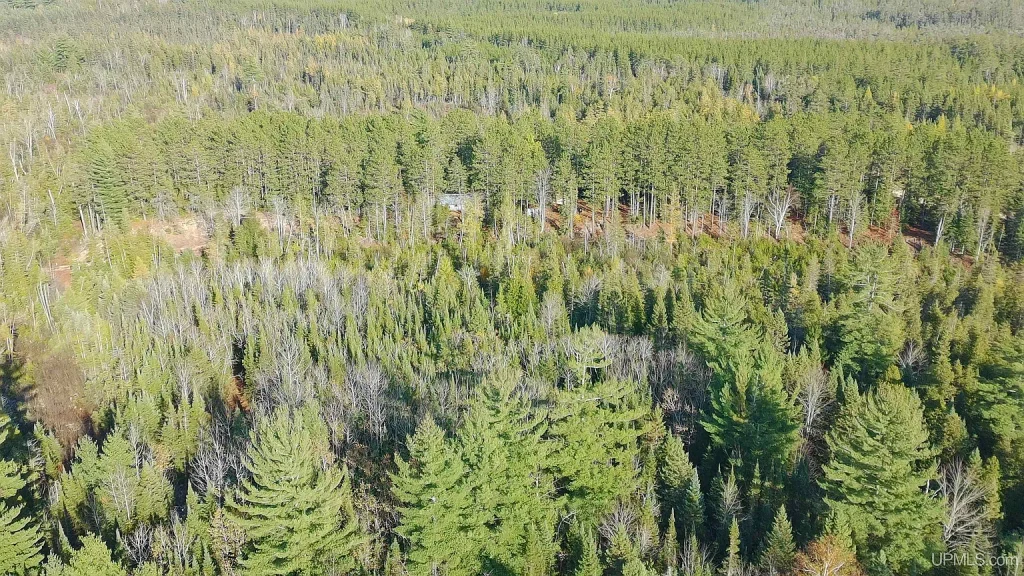
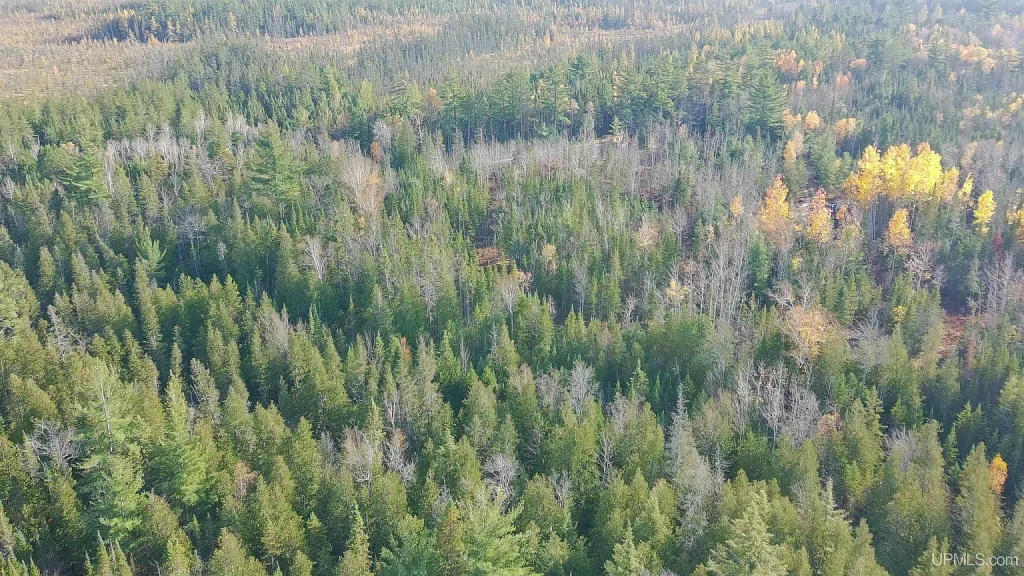
The listing advertises more than half a mile of river frontage, while the aerial photographs show a winding waterway surrounded by forest, low-lying vegetation, and natural openings.
Unlike a small waterfront lot, this property appears to offer a substantial landscape extending beyond the immediate riverbank.
That could appeal to buyers interested in wildlife observation, nature photography, hiking, and maintaining a private recreational retreat.
However, there is an important difference between owning riverfront land and having easy, usable access to the water.
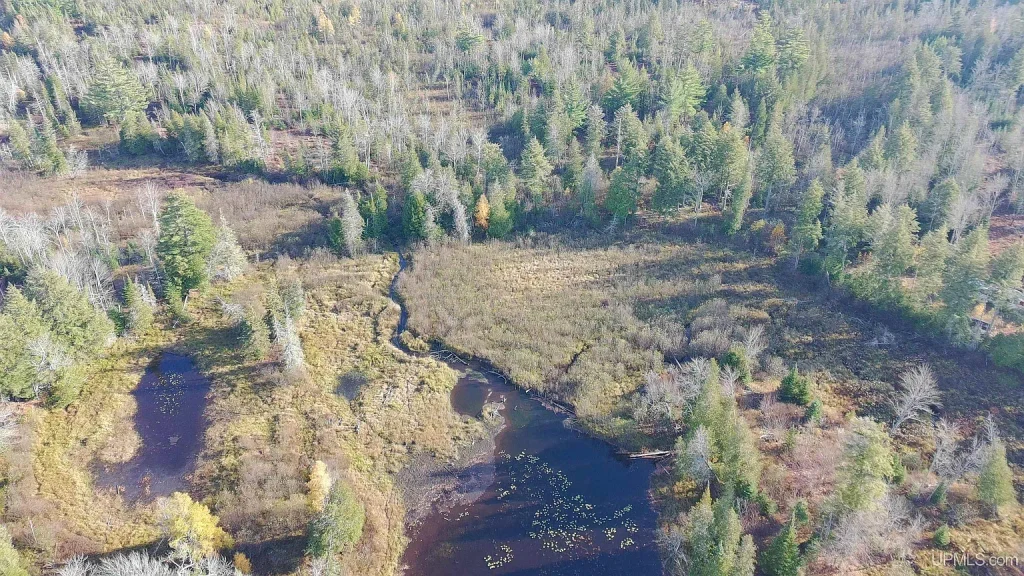
The listing specifically mentions wetlands, sloughs, and old river channels that may restrict access to portions of the riverfront.
A buyer should not assume that every section of the advertised frontage can be reached on foot, used for fishing, or developed with a dock or other improvements.
Before purchasing, it would be sensible to investigate:
- The exact riverfront boundaries shown on a current survey.
- Whether the riverbank is accessible from existing trails.
- Seasonal water levels and flooding history.
- Wetland and shoreline regulations affecting improvements.
- Whether a suitable location exists for a legal recreational access point.
The river is a major reason to consider the property, but its practical value depends on the land conditions and applicable rules.
A Rustic Log Cabin Hidden in the Woods
The listing includes an existing cabin measuring approximately 540 square feet.
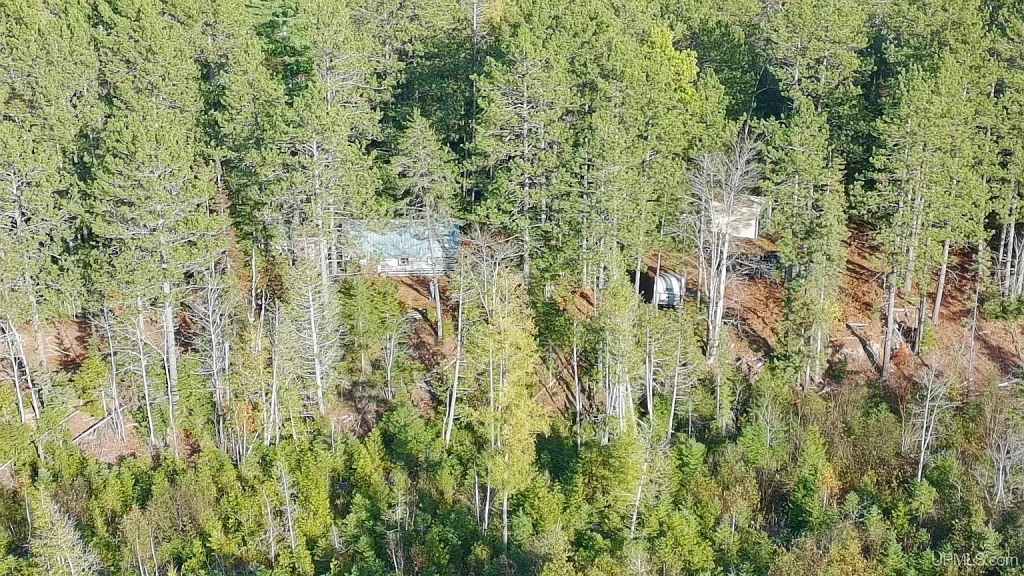
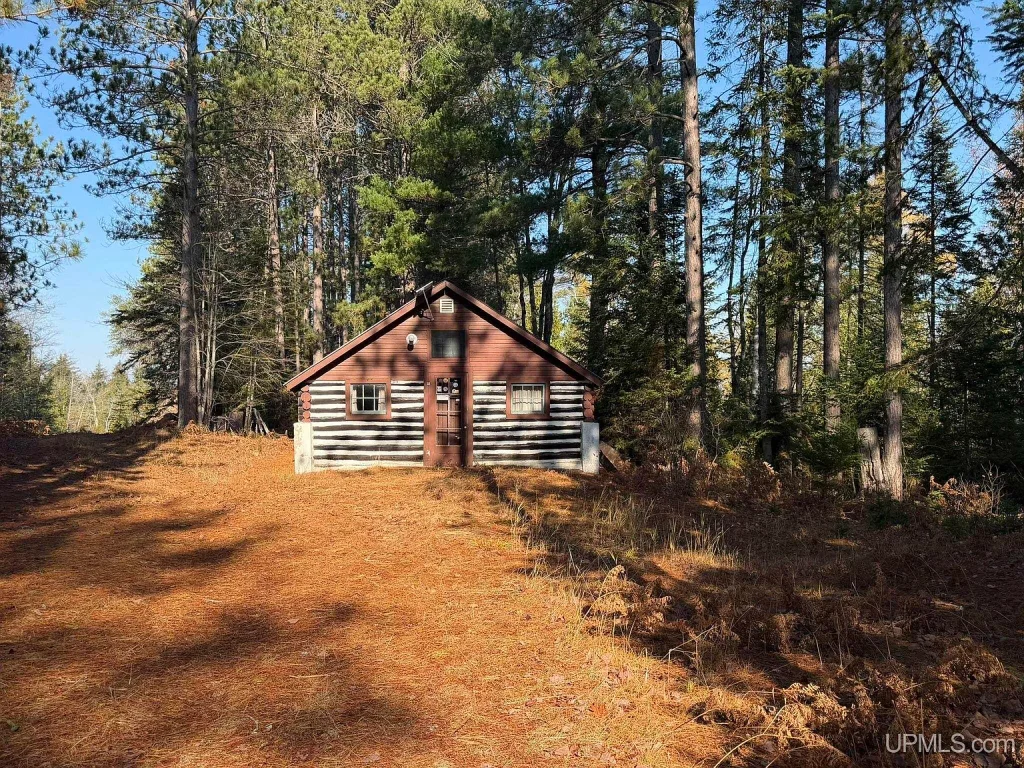
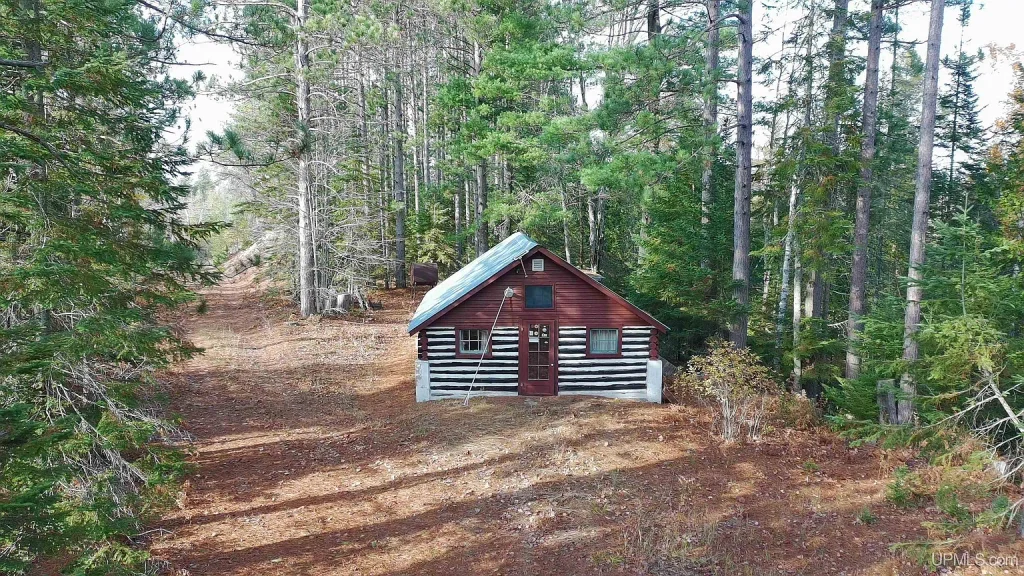
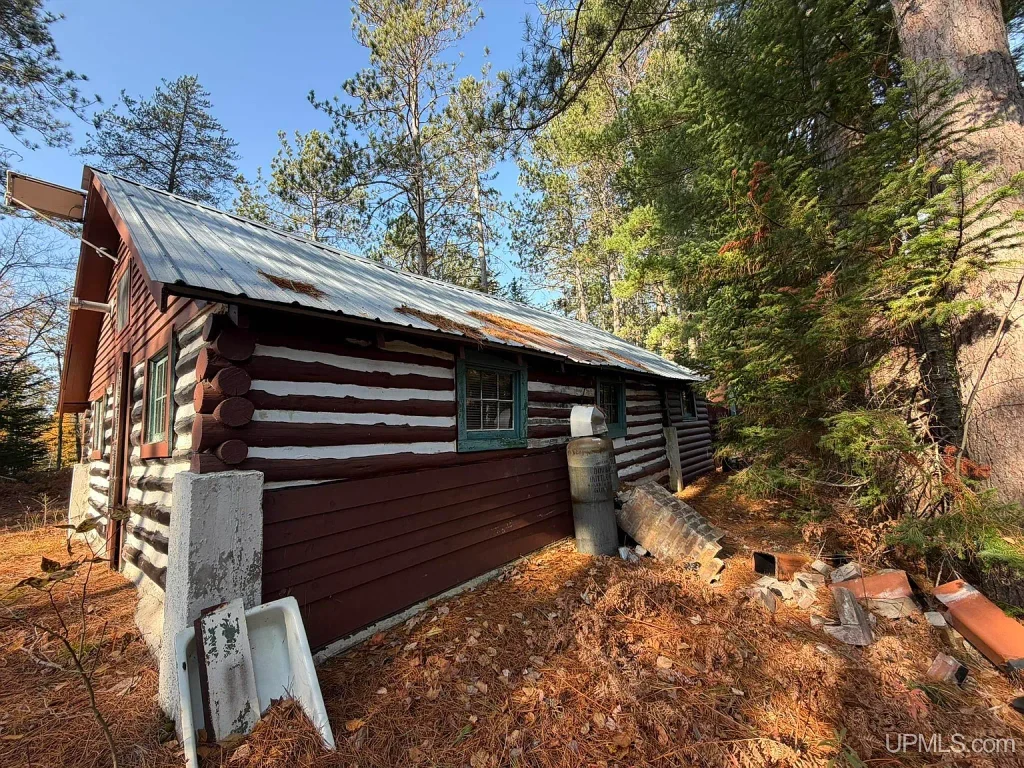
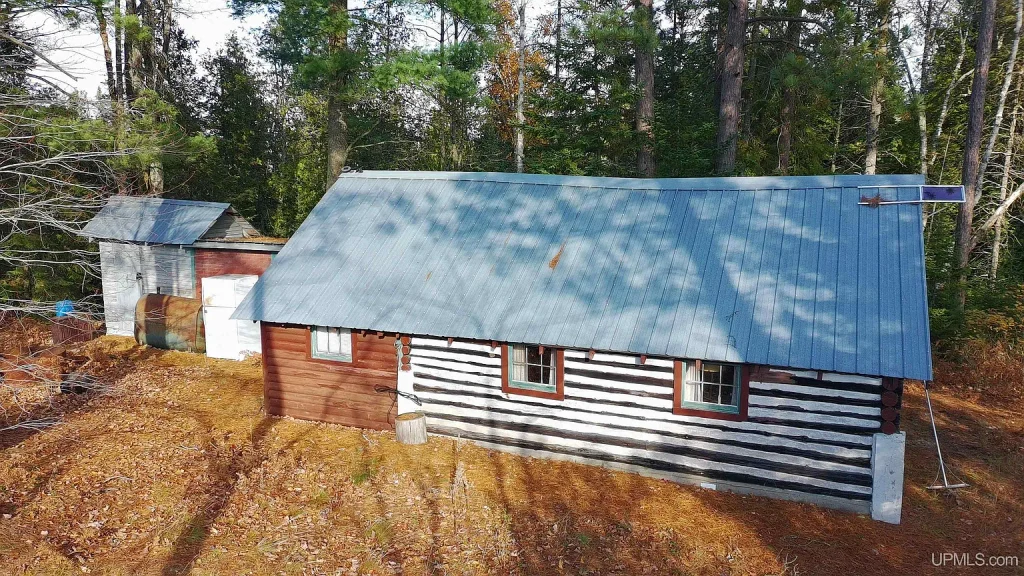
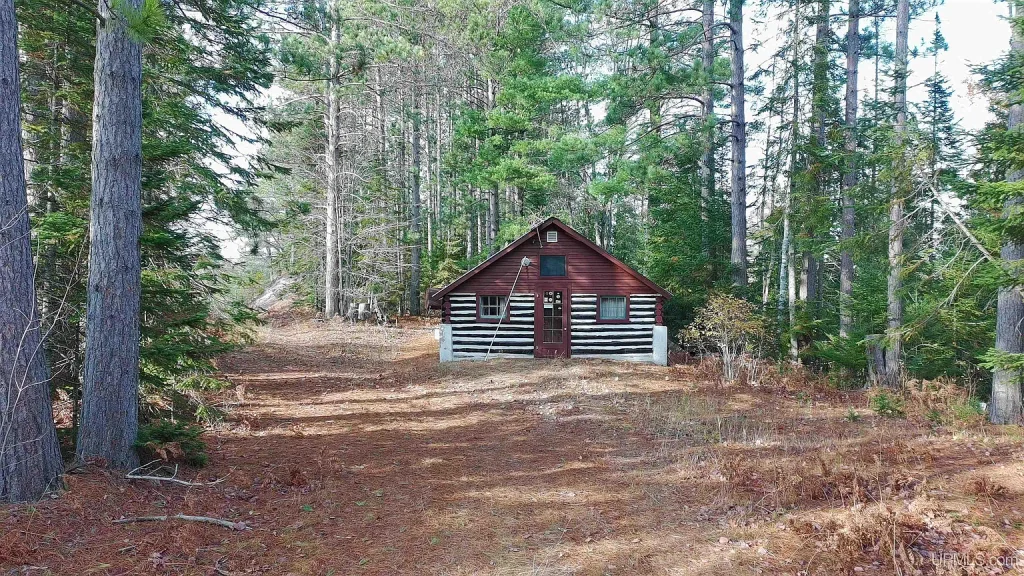
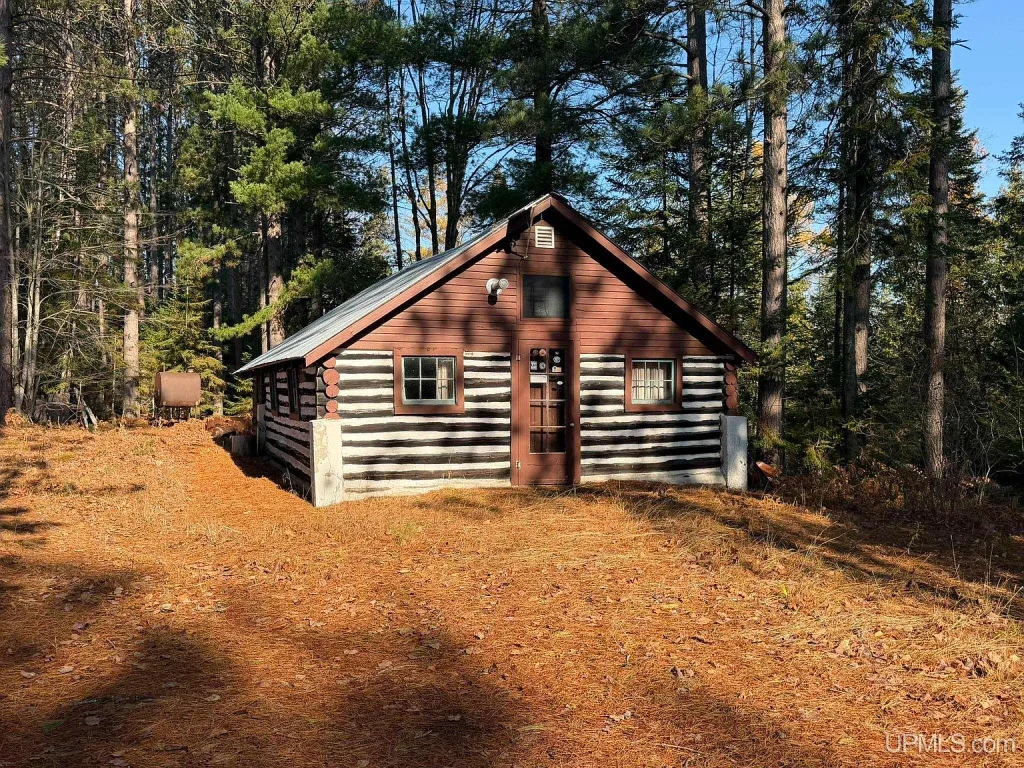
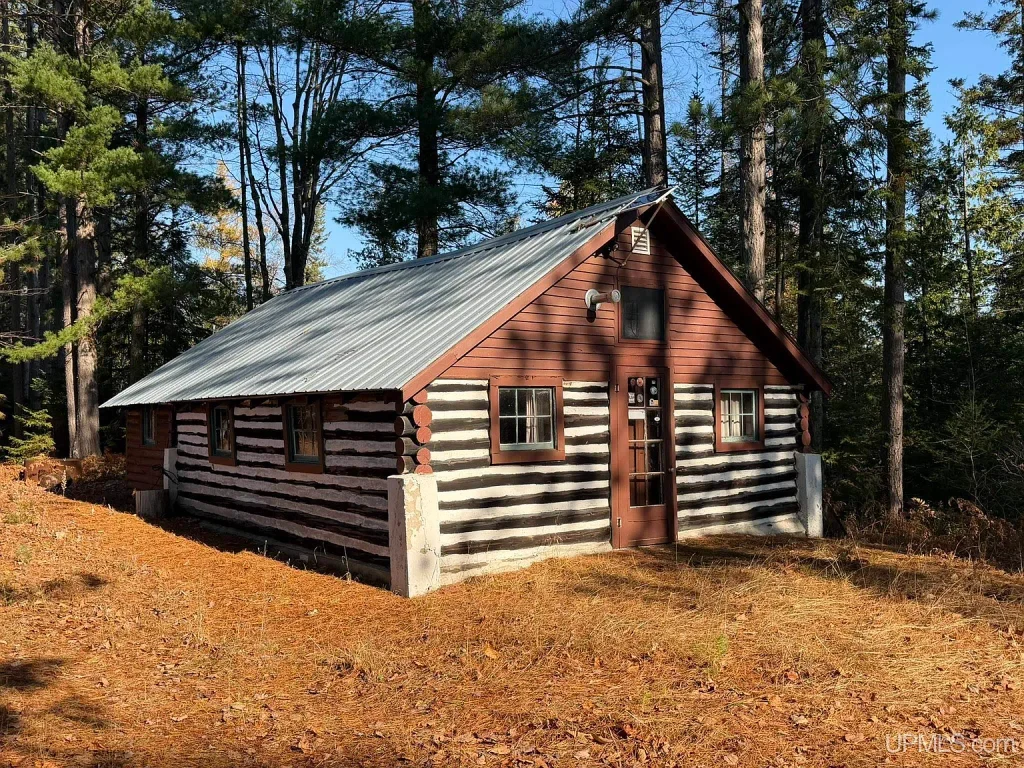
Exterior photographs show a traditional Northwoods-style structure with horizontal log-style walls, contrasting chinking, a pitched metal roof, and a simple entrance surrounded by mature trees.
The cabin’s small footprint and secluded location give it the character of an older hunting or fishing retreat rather than a conventional year-round house.
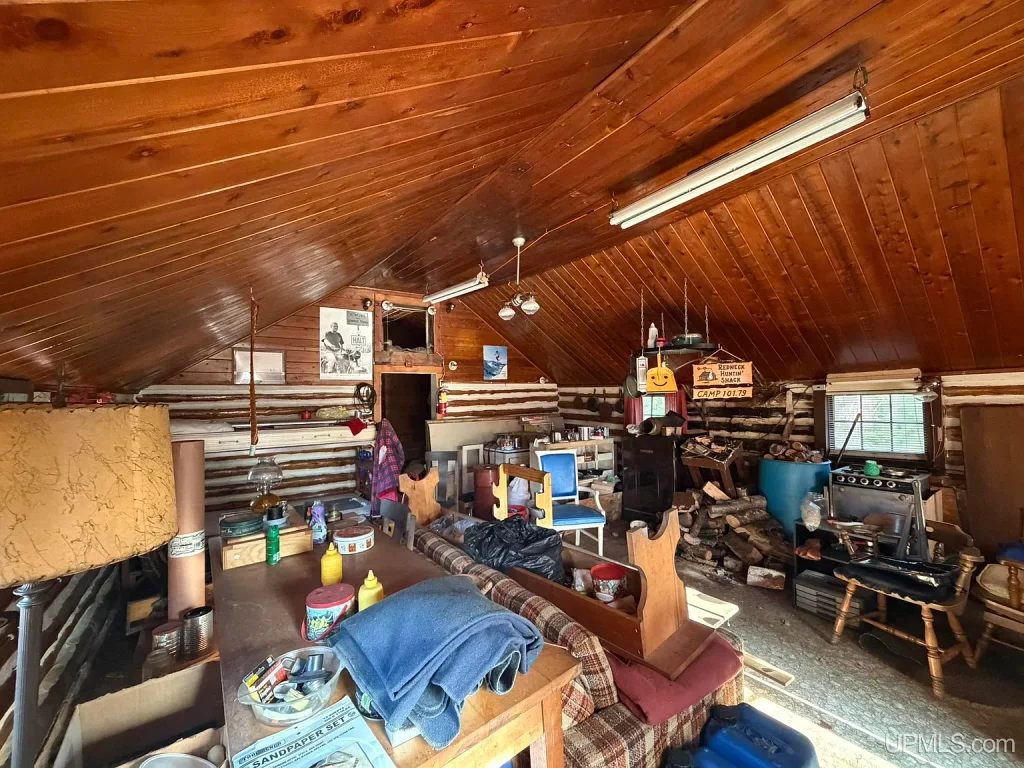
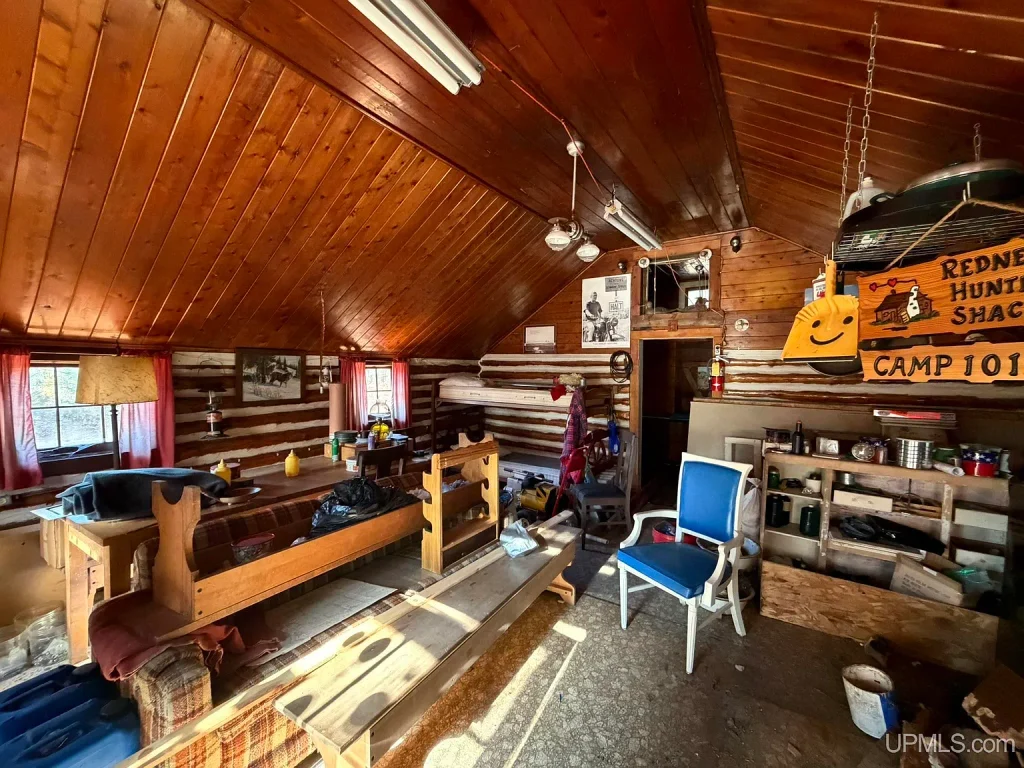
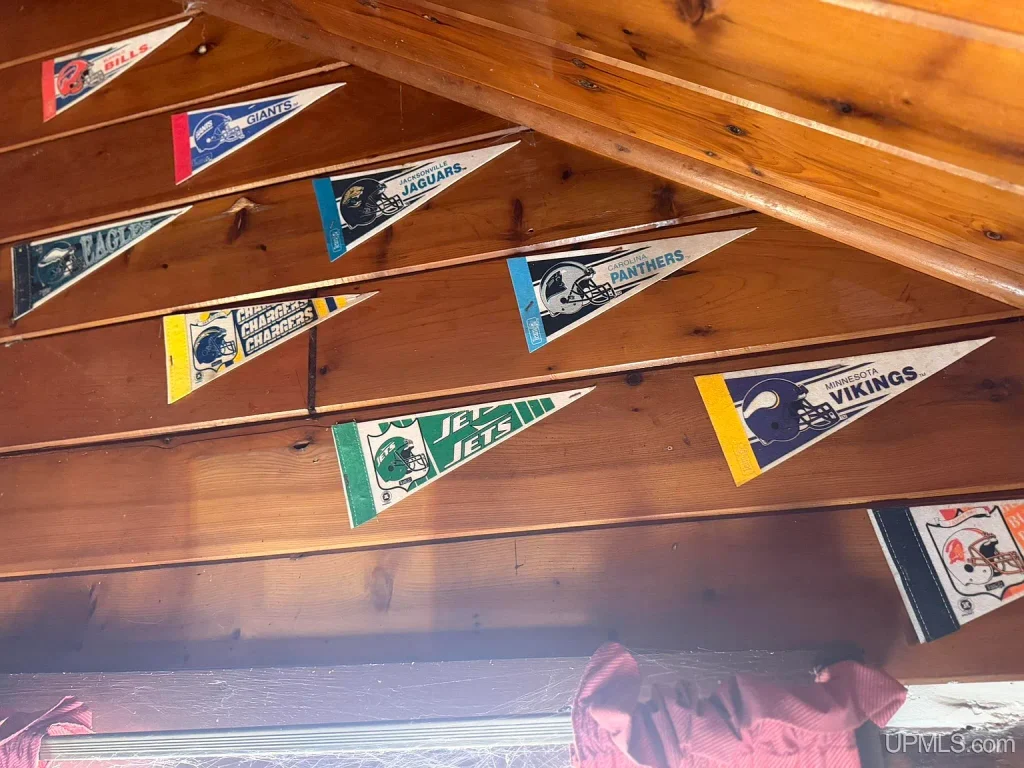
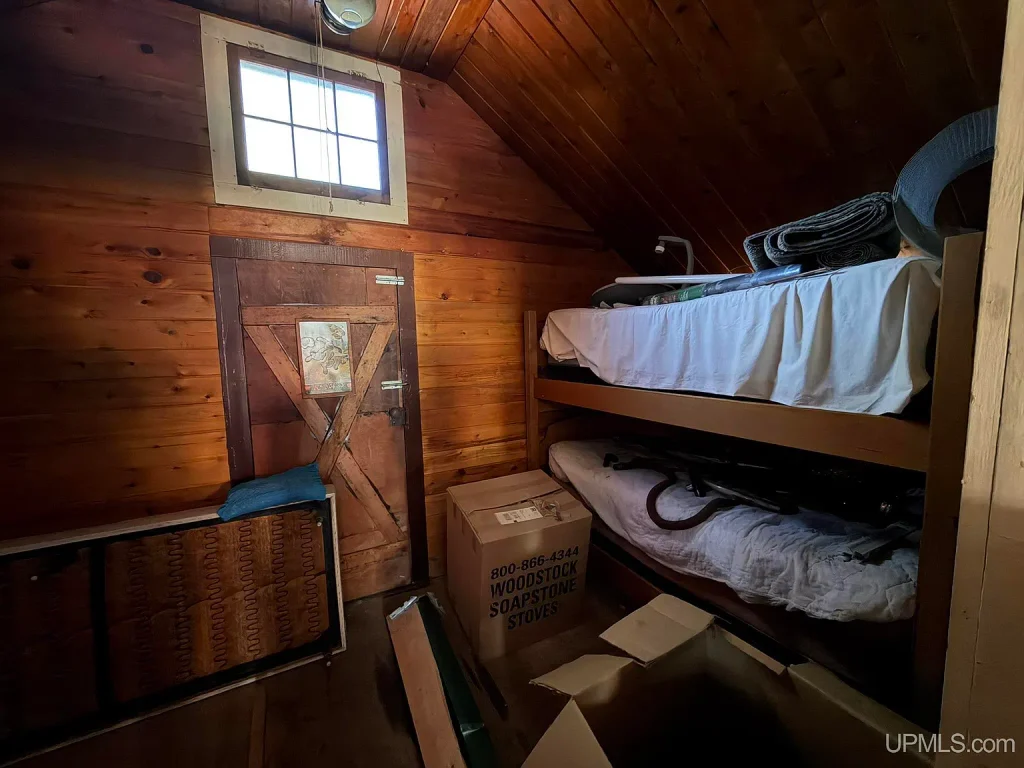
Inside, the photographs show a vaulted wood ceiling, exposed timber finishes, a wood-burning stove, basic furnishings, and an assortment of stored equipment and personal belongings.
These features create a rustic atmosphere, but the photographs also suggest that extensive cleanup and repairs may be needed.
The seller describes the cabin as requiring significant restoration and offers it in its present condition.
That distinction matters.
A building can look appealing in photographs while still having expensive structural, moisture, foundation, or safety problems.
A qualified inspector or experienced contractor should evaluate the cabin before a buyer assigns significant value to it.
What Could the Cabin Be Used For?
Subject to its actual condition and local requirements, the cabin might eventually serve as a basic seasonal retreat, a base for outdoor recreation, or a restoration project.
But buyers should avoid assuming it is currently safe, habitable, insurable, or suitable for overnight use.
The listing does not establish that the cabin has functioning plumbing, approved sanitation, or reliable electricity.
Any plan to occupy or renovate it should begin with a professional assessment and confirmation of local permit requirements.
The Biggest Challenge: No Electricity, Well, or Septic System
One of the most important details in the listing is the absence of essential utilities.
The property is advertised without existing electrical service, a water well, or a septic system.
That makes it very different from buying a fully equipped cabin.
A buyer hoping to use the property regularly may need to consider a combination of solar power, battery storage, a generator, propane, or a new electrical connection if one is feasible.
Water and wastewater disposal are potentially more complicated.
Installing a well depends on local groundwater conditions, drilling feasibility, and cost. A septic system requires a suitable location and approval, which may be particularly challenging on land containing wetlands or high groundwater.
A buyer should obtain site-specific information rather than relying on general assumptions about rural Michigan.
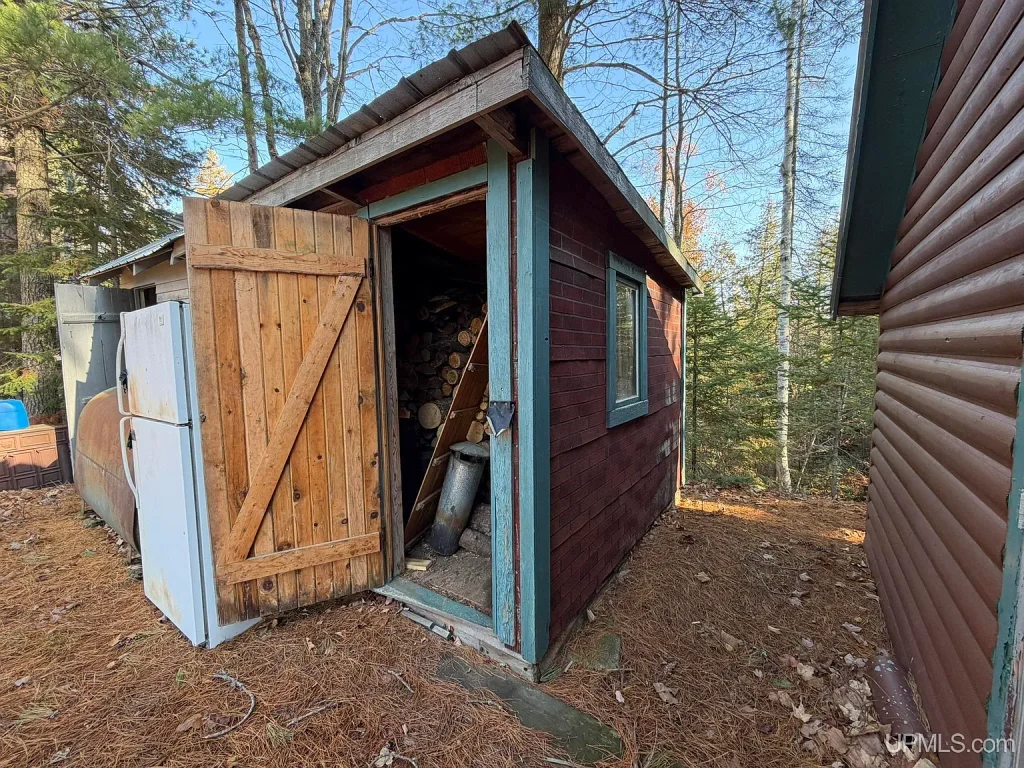
The photographs show a wood stove and what appears to be outdoor fuel-storage equipment, but neither establishes that a safe, functional heating or fuel system is available.
The absence of utilities is not necessarily a reason to reject the property. It is a reason to budget carefully before making an offer.
101 Acres Does Not Mean 101 Acres of Buildable Land
Large acreage can be appealing, especially when privacy is a priority.
But the practical usefulness of rural land depends on terrain, drainage, access, soils, and environmental restrictions.
This property is described as having a combination of wooded areas, natural openings, high ground, low ground, wetlands, and river channels.
That variety can support wildlife habitat and recreational enjoyment.
It can also limit where buyers can drive, build, clear vegetation, or install utilities.
For example, a low-lying section that looks attractive from an aerial photograph may be seasonally saturated or subject to environmental restrictions.
A potential building site should be evaluated for elevation, flood risk, soil conditions, legal access, and permit eligibility.
The listing identifies zoning as Resource Production, while also displaying a residential zoning description. Buyers should contact the appropriate local zoning authority to clarify what those designations mean for this particular parcel.
No buyer should assume that an additional cabin, permanent residence, campground, or rental accommodation is automatically permitted.
Trails, Hunting, and Access to State Land
The property is marketed toward outdoor enthusiasts, and the photographs suggest a landscape that may appeal to people who enjoy remote wooded settings.
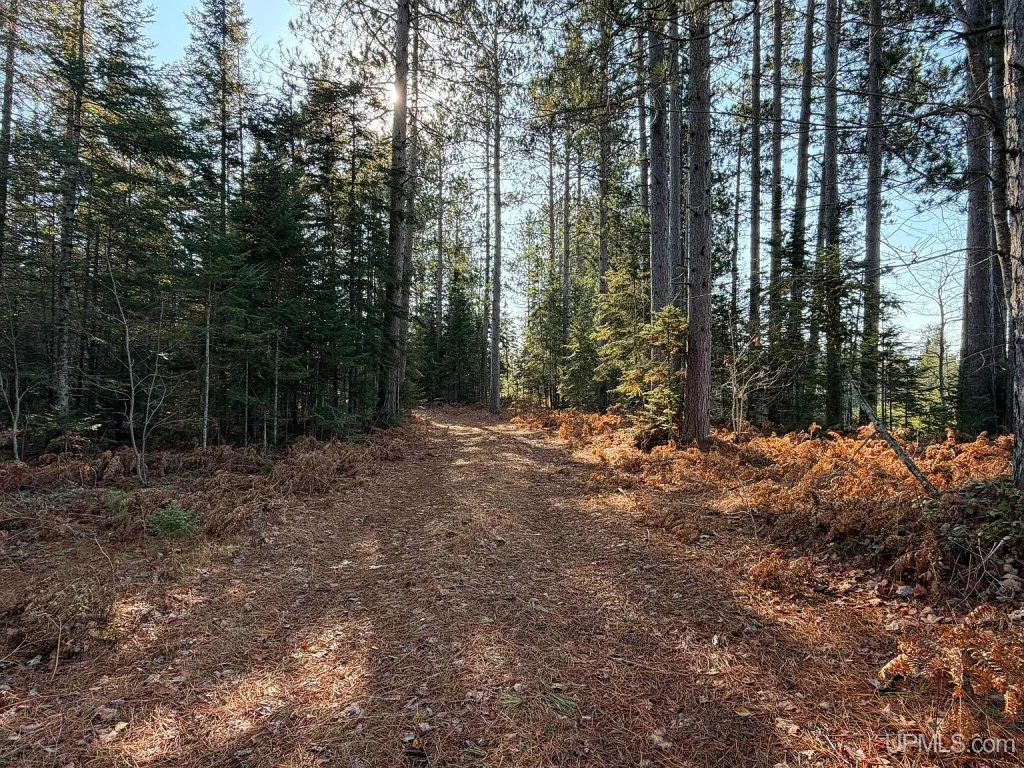
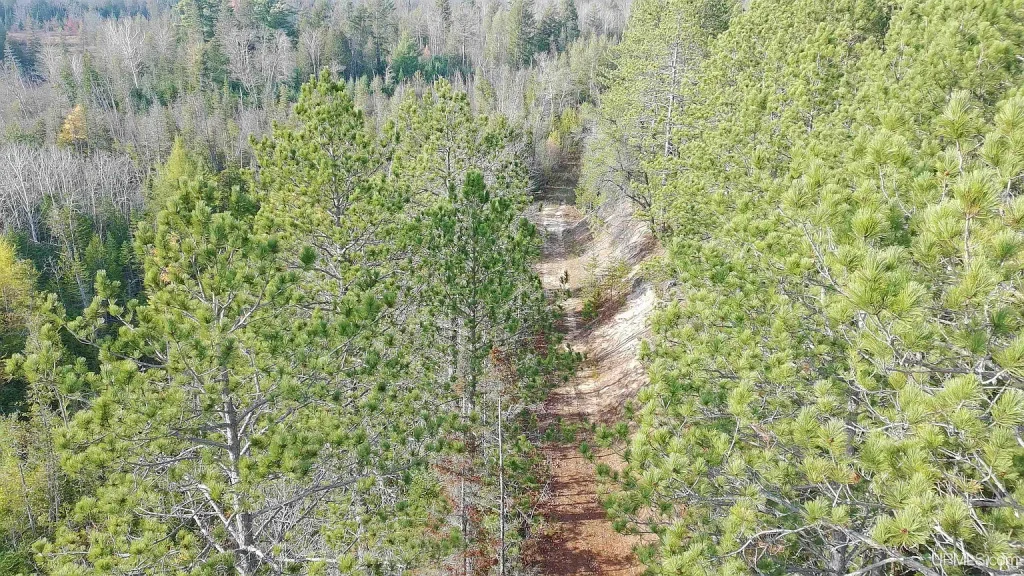
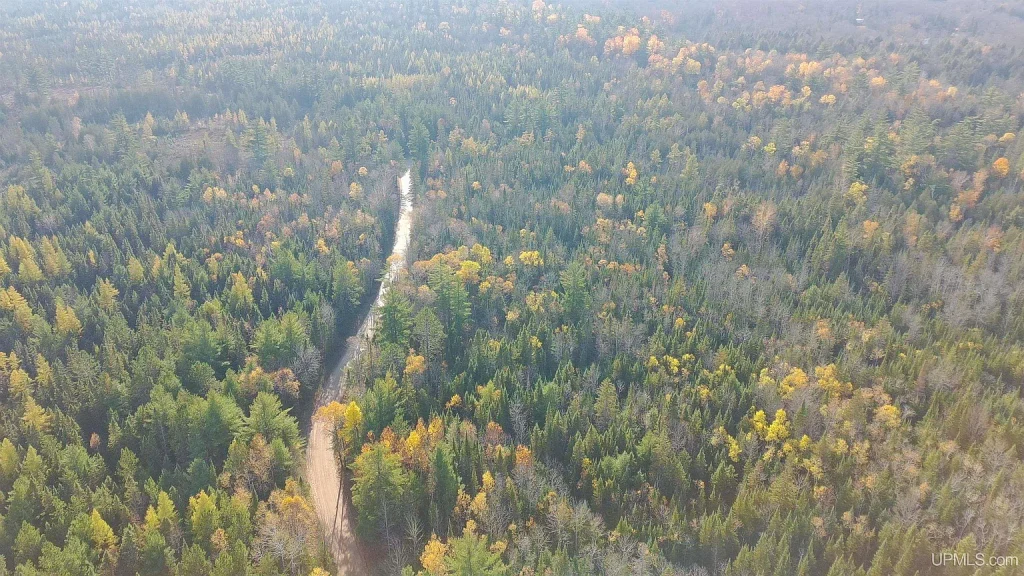
According to the listing, older trails exist on the property, although some may require clearing and maintenance.
That could be useful for reaching different sections of the acreage, but their current condition and legal route should be checked in person.
The listing also reports that State of Michigan land borders the property on two sides.
Adjacent public land may be an attractive feature for outdoor recreation, but buyers must verify the exact boundary, public-access rules, hunting regulations, and any seasonal restrictions.
It is also important to distinguish between activities permitted on privately owned land and those permitted on neighboring state land.
The property should not be marketed as offering unrestricted hunting, ATV riding, or access to every adjoining parcel without confirming the relevant rules.
What About the Garage and Other Outbuildings?
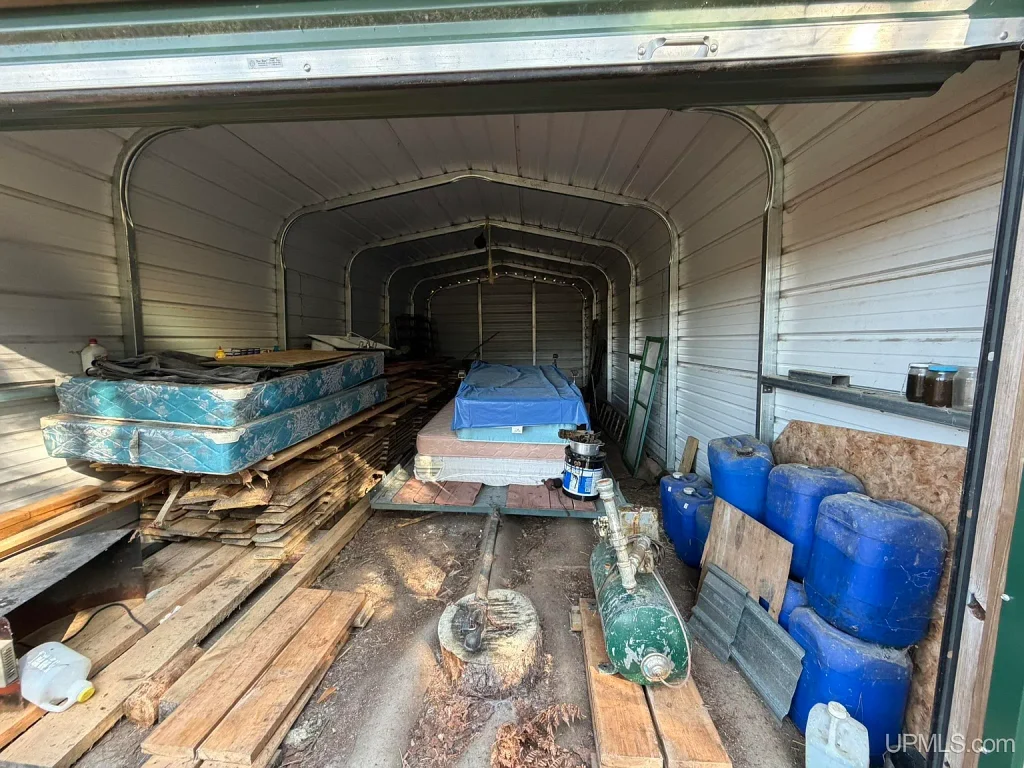
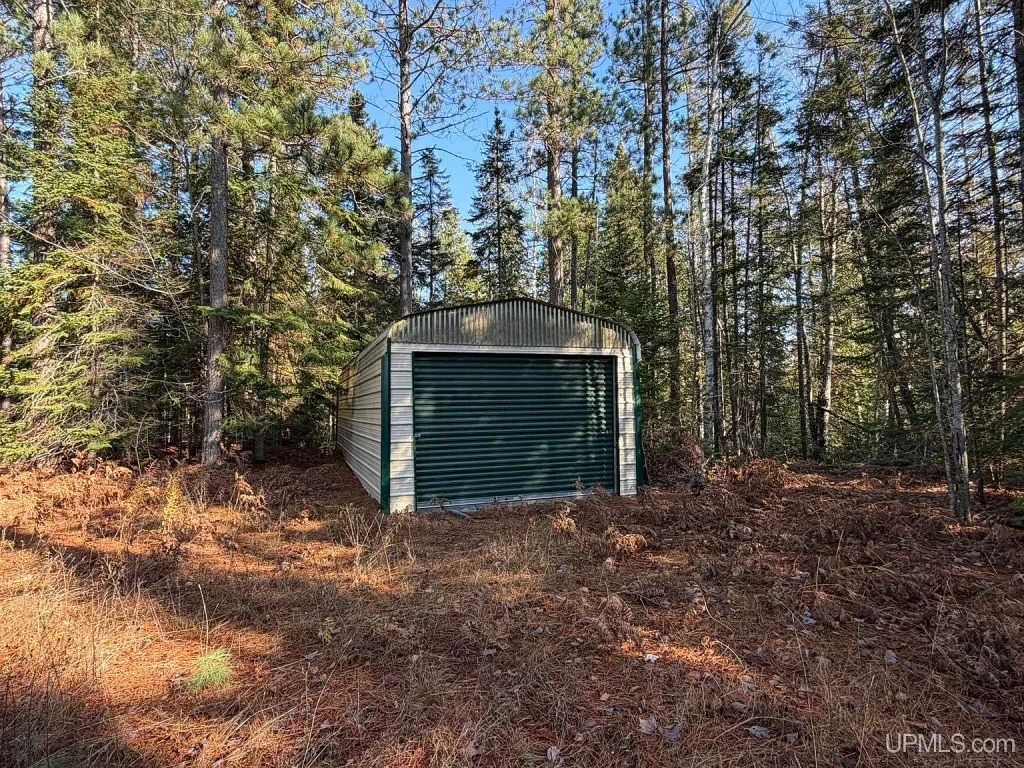
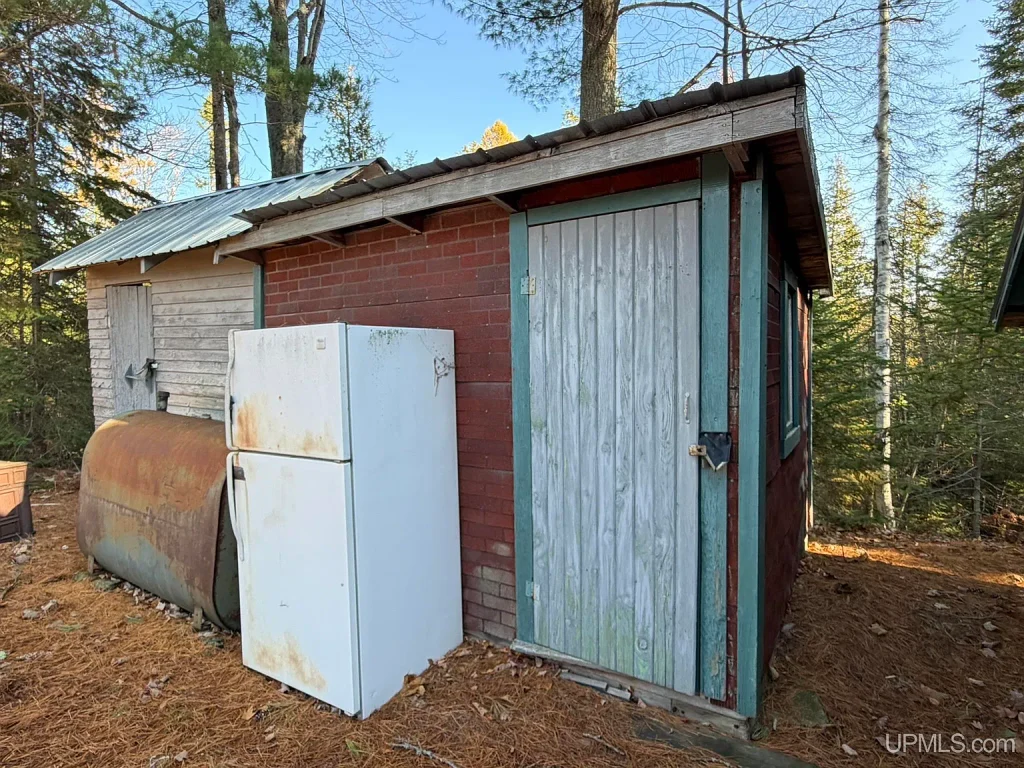
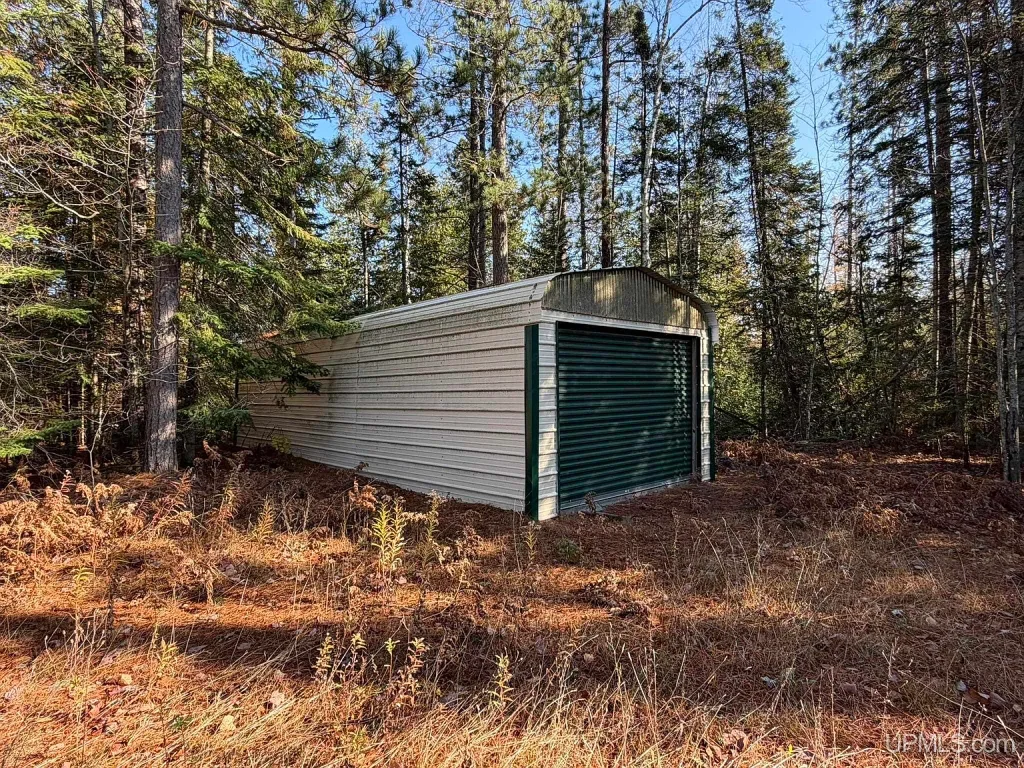
The supplied photographs show a metal storage structure with a roll-up door, as well as smaller utility or storage buildings near the cabin.
The listing also identifies a garage and an outhouse.
These structures could offer useful space for tools, equipment, or supplies, depending on their condition.
However, the photographs alone do not confirm that the buildings are structurally sound, weatherproof, permitted, or included in the sale with all their contents.
A buyer should ask for a complete list of included improvements and personal property.
Particular attention should be paid to any old fuel tanks, containers, abandoned equipment, or potentially hazardous materials that may require professional removal.
Cleanup costs are easy to overlook when purchasing a remote recreational property.
Is $195,000 a Reasonable Asking Price?
At the advertised asking price of $195,000, the property’s simple price-to-acreage calculation is:
$195,000 ÷ 101.79 acres = approximately $1,916 per acre.
That figure may look attractive, but it is not a direct comparison with vacant, buildable land.
The asking price includes the existing cabin, outbuildings, river frontage, and the property’s particular mix of high ground, wetlands, and wooded terrain.
Some acreage may have limited development potential.
The cabin could add value if restoration is feasible, or it could create additional expense if major repairs or removal are required.
A meaningful valuation would require recent comparable sales of large recreational tracts in the same region, ideally with similar river frontage, wetland conditions, road access, and improvements.
Buyers should also consider the total cost of ownership, not just the purchase price.
Potential additional expenses include inspections, a survey, title work, restoration, debris removal, insurance, road or trail maintenance, utility installation, and ongoing property taxes.
The reported annual tax amount is $1,259, but future taxes may differ following a sale or reassessment.
Six Questions to Answer Before Buying
1. How much of the acreage is usable?
Request wetland maps, floodplain information, a recent survey, and any available soil or site evaluations. Walk the property with someone familiar with rural land.
2. Can you legally reach the entire property?
Confirm the recorded access rights, the condition of County Road 436 and any connecting roads, and whether internal trails cross wet areas or other parcels.
3. Is the existing cabin worth restoring?
Have the foundation, roof, walls, floor framing, chimney, and electrical components inspected. Obtain realistic estimates for repairs and cleanup.
4. Where could a new well and septic system go?
Do not assume that a large parcel automatically contains a suitable building site. Ask the relevant local authorities and qualified contractors about site evaluation and permits.
5. What restrictions apply to the riverfront?
Investigate wetlands, floodplain rules, shoreline permits, and any restrictions on clearing, docks, bridges, or new construction.
6. Are the parcel boundaries and riverfront measurements correct?
The listing references multiple parcel numbers and an additional parcel. Confirm that all advertised acreage and river frontage are included in the legal description and purchase agreement.
Who Might Be Interested in This Property?
This listing may be most relevant to a buyer who values wilderness, privacy, and long-term recreational use more than immediate comfort.
Someone seeking a remote hunting retreat, a private nature property, or a substantial tract of Upper Peninsula land may find the combination of acreage and river frontage appealing.
A buyer with experience restoring rustic structures could also see potential in the existing cabin.
On the other hand, this property is probably a poor fit for someone who needs a move-in-ready home, modern utilities, low-maintenance access, or a guaranteed location for new construction.
The property’s most attractive qualities are closely connected to its biggest complications.
Its river channels, wetlands, and remote landscape help create the secluded setting, but they can also make development and maintenance more difficult.
Final Thoughts: A Beautiful River Property With Serious Tradeoffs
The property on River Road near Manistique stands out for three reasons: 101.79 acres, substantial Manistique River frontage, and an existing rustic cabin, all advertised at $195,000.
Those are compelling features for a buyer seeking a large recreational tract in Michigan’s Upper Peninsula.
Yet the property should be approached as a land purchase with an improvement project attached—not as a finished waterfront cabin.
The absence of utilities, the condition of the cabin, the extent of wetlands, and the accessibility of the riverfront all require careful investigation.
The right buyer may find that the setting and acreage justify the work. Another buyer may discover that the cost and limitations outweigh the appeal.
The most useful next step is not to estimate what the property could become, but to establish exactly what can legally and practically be done with it.
Original property listing: View 101.79 Acres on River Road, Manistique, Michigan, on Zillow