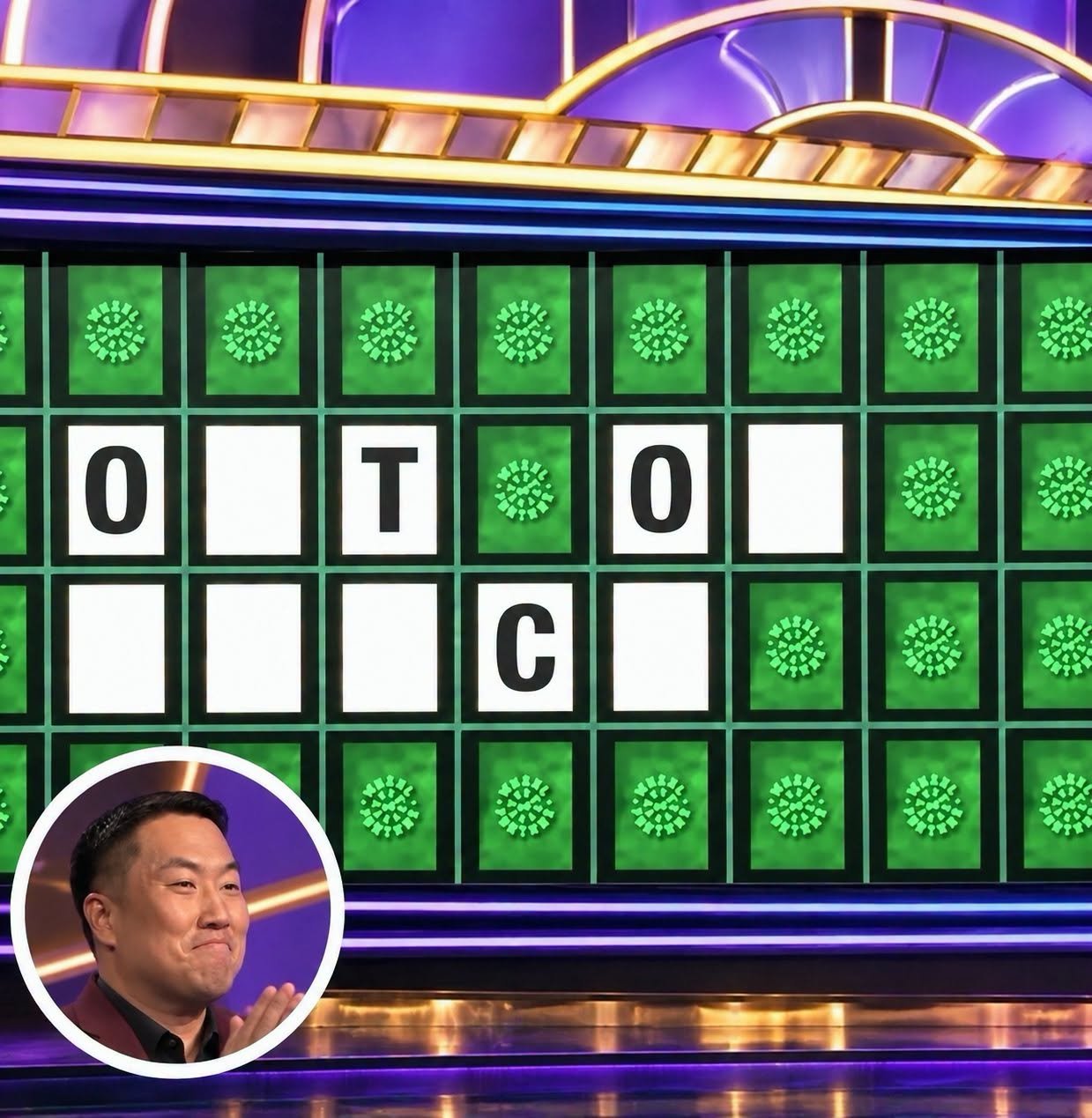

In the days after the show, David moved through work like a man carrying an invisible weight. Patients recognized him, coworkers tried not to stare, and every well‑meaning comment reopened the same wound. He obsessed over those final seconds, convinced that one mistake had exposed some deeper flaw. Yet the more he studied what happened, the more he discovered he wasn’t uniquely broken at all. He was human.
Books on performance under pressure, stories from athletes and musicians, research on memory and stress—all pointed to the same truth: the brain can falter precisely when it matters most. Slowly, regret gave way to understanding. He began talking openly about the experience, turning his worst moment into a shared lesson about resilience. When the show invited him back years later, he didn’t redeem himself with a win; he redeemed himself by no longer needing one. The loss stayed in history. The person he became outgrew it.