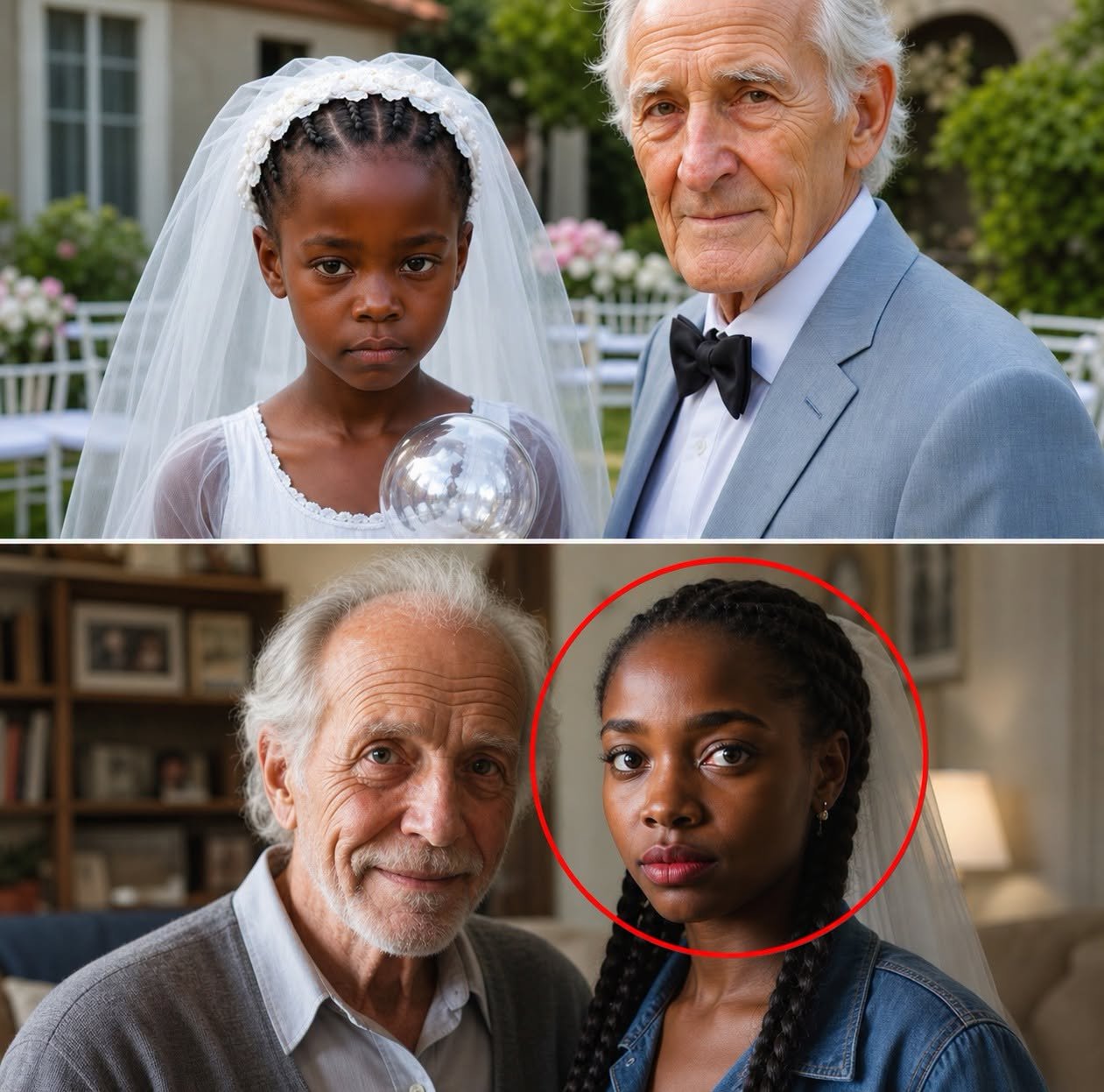

They had met in the ruins of separate heartbreaks: his, the loss of a lifelong companion; hers, a life that had quietly collapsed under the weight of disappointment. What others reduced to a cruel joke about age and money was, in truth, two broken people trying to breathe again. When Amara unfolded the letter, the paper shook in her hands—not from guilt, but from a fear she could finally name. She expected accusation. Instead, she found a benediction.
Edward’s late wife wrote of the nights she had watched him sleep, worrying about the loneliness that would swallow him after she was gone. She wrote of praying, specifically, for “a woman who will see his soul before his bank account.” She described Amara, down to the nervous way she tucked her hair behind her ear. In the stillness that followed, the gossip outside their walls became irrelevant. Amara was not stealing a life; she was fulfilling a wish whispered by a dying woman, stepping into a love that was quiet, undeserved, and entirely, fiercely right.