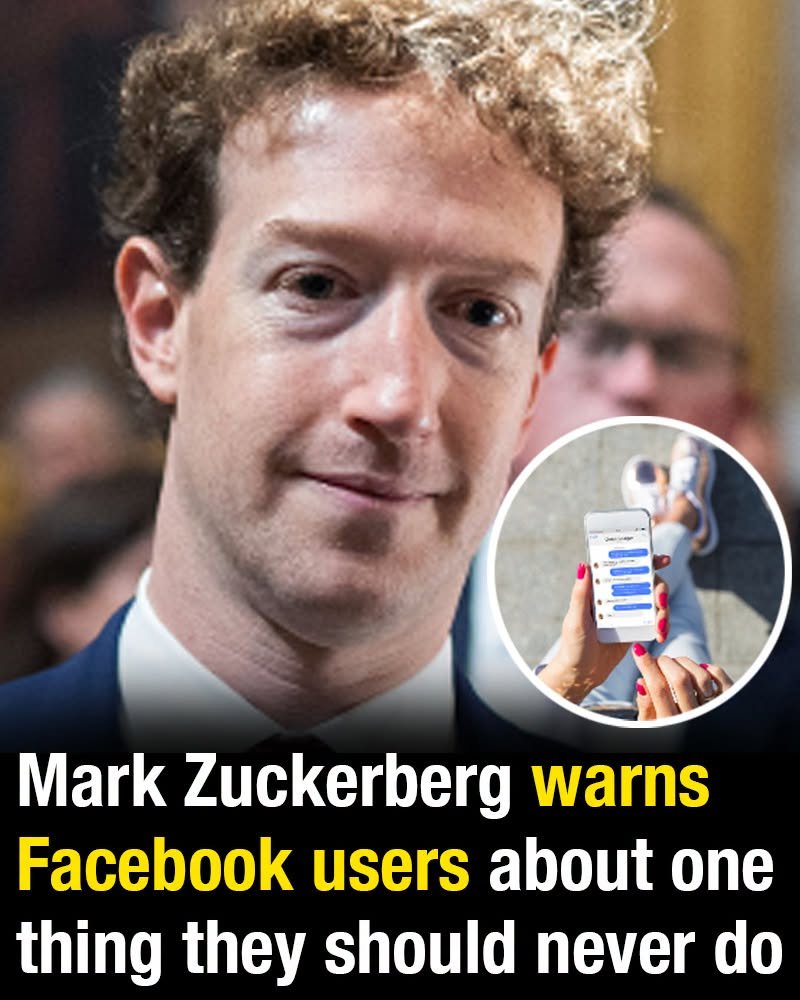

Mark Zuckerberg has warned Messenger users that one seemingly private habit is no longer discreet, with the platform capable of exposing every dirty deed.
For years, screenshots have offered a discreet way to preserve a chat, allowing users to save everything from important information to more personal exchanges without notifying the person on the other side.
But when disappearing messages enter the conversation, taking a screenshot may no longer go unnoticed.
That extra layer of privacy on Facebook comes with a catch for anyone hoping to quietly preserve something that was intended to vanish.
Vanish Mode
Long before Zuckerberg issued his warning, Meta was already experimenting with conversations that weren’t meant to stick around forever.
In 2020, the company introduced Vanish Mode on Messenger and Instagram, allowing users to send messages that disappeared after they had been viewed and the conversation was closed.
The feature offered an experience already familiar to Snapchat users, but Meta emphasized that people would retain control over whether they wanted to use it.
“We designed Vanish Mode with safety and choice in mind, so you control your experience,” Messenger Product Manager Bridget Pujals and Instagram Product Manager Manik Singh said in a statement, according to USA Today.
Vanish Mode was eventually retired, but Meta didn’t abandon the idea of expiring gab sessions.
Instead, the feature evolved.
Disappearing messages
Facebook now describes disappearing messages as “the same feature” previously offered through Messenger’s Vanish Mode, although users can now set a timer determining when messages automatically disappear, whether they have been read or not.
“People feel more comfortable being themselves when they know their content will only be seen by a smaller group and when their content won’t stick around forever,” Zuckerberg shared in 2018 along with the company’s quarterly results.
But Zuckerberg had been talking about giving users greater control over their privacy long before messages were designed to disappear.
“The way that people think about privacy is changing a bit…What people want isn’t complete privacy. It isn’t that they want secrecy. It’s that they want control over what they share and what they don’t,” the billionaire told Time in 2010.
Years later, disappearing messages gave users one way to exercise that control, but they also created an obvious loophole.
A message could be designed to vanish, but a screenshot could preserve it indefinitely.