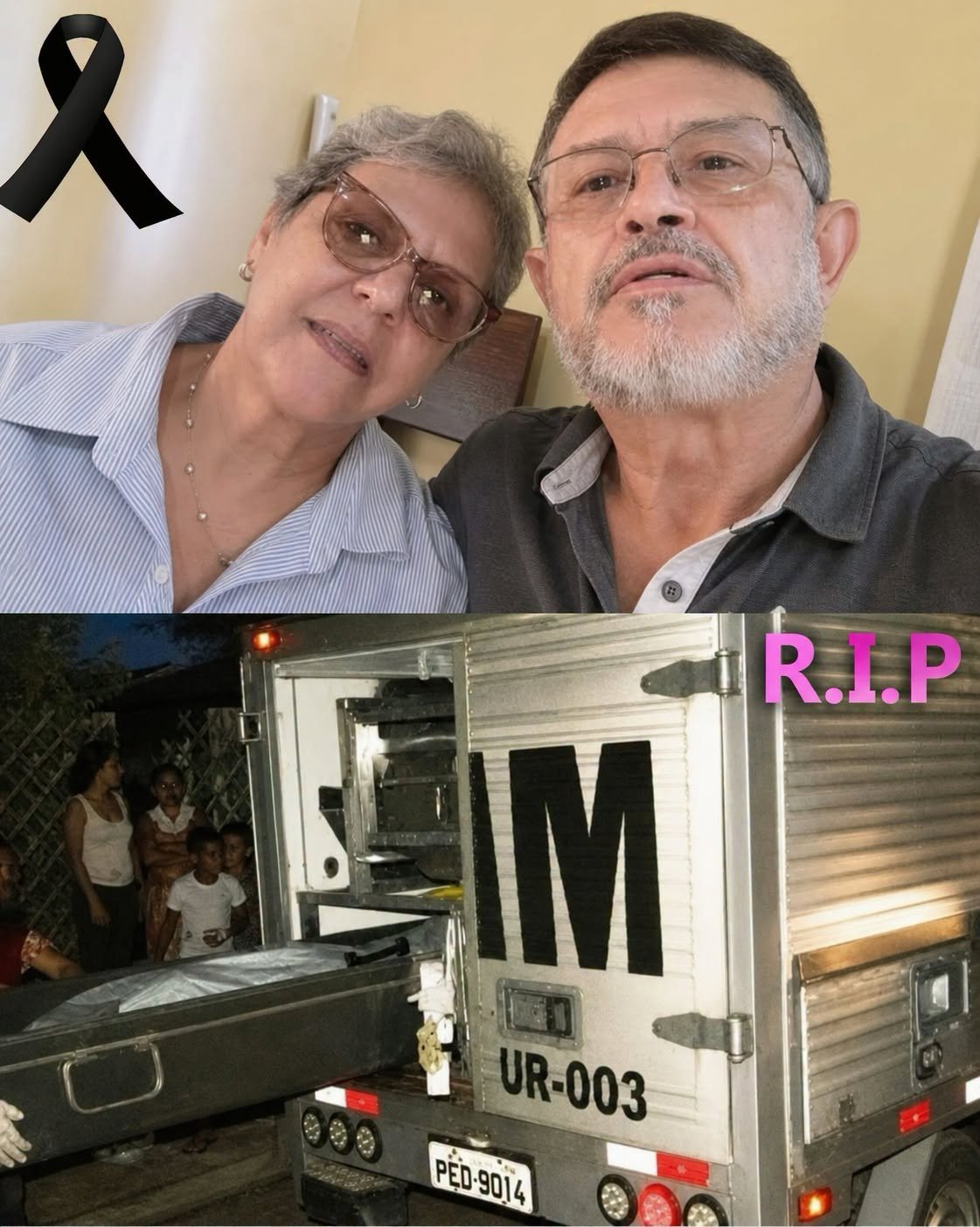

By dawn, the motel parking lot had transformed into a maze of yellow tape, harsh floodlights, and hushed speculation. The man who checked in with her now sat alone in the back of a patrol car, his earlier nervousness recast as something potentially sinister. Inside, investigators moved with clinical precision, dusting, photographing, collecting anything that might speak for a woman who no longer could. Outside, word spread faster than any official report, carried by whispered rumors and shaky cell phone videos posted before the body was even removed.
In living rooms across town, her name was spoken in past tense for the first time. Family members replayed old voicemails, straining for signs they might have missed. Was she afraid? Was she hiding something? Or had she simply trusted the wrong person on the wrong night? As toxicology results trickled in and timelines hardened into evidence, one truth refused to blur: whatever label authorities finally choose—accident, homicide, tragedy—someone made a choice that ended with a zipper closing over her face. And in that small, humming motel, every stain, every silence, every lie is now a witness.