
The House’s passage of the Take It Down Act marks a rare collision of technological terror and political resolve. By outlawing nonconsensual explicit deepfakes and forcing platforms to erase them within 72 hours, lawmakers are finally acknowledging that “online harm” is not abstract—it is humiliation, stalking, job loss, and trauma that can last a lifetime. For victims, the right to sue creators, distributors, and even platforms that look away is not just legal recourse; it is a recognition that what happened to them is real, and wrong.
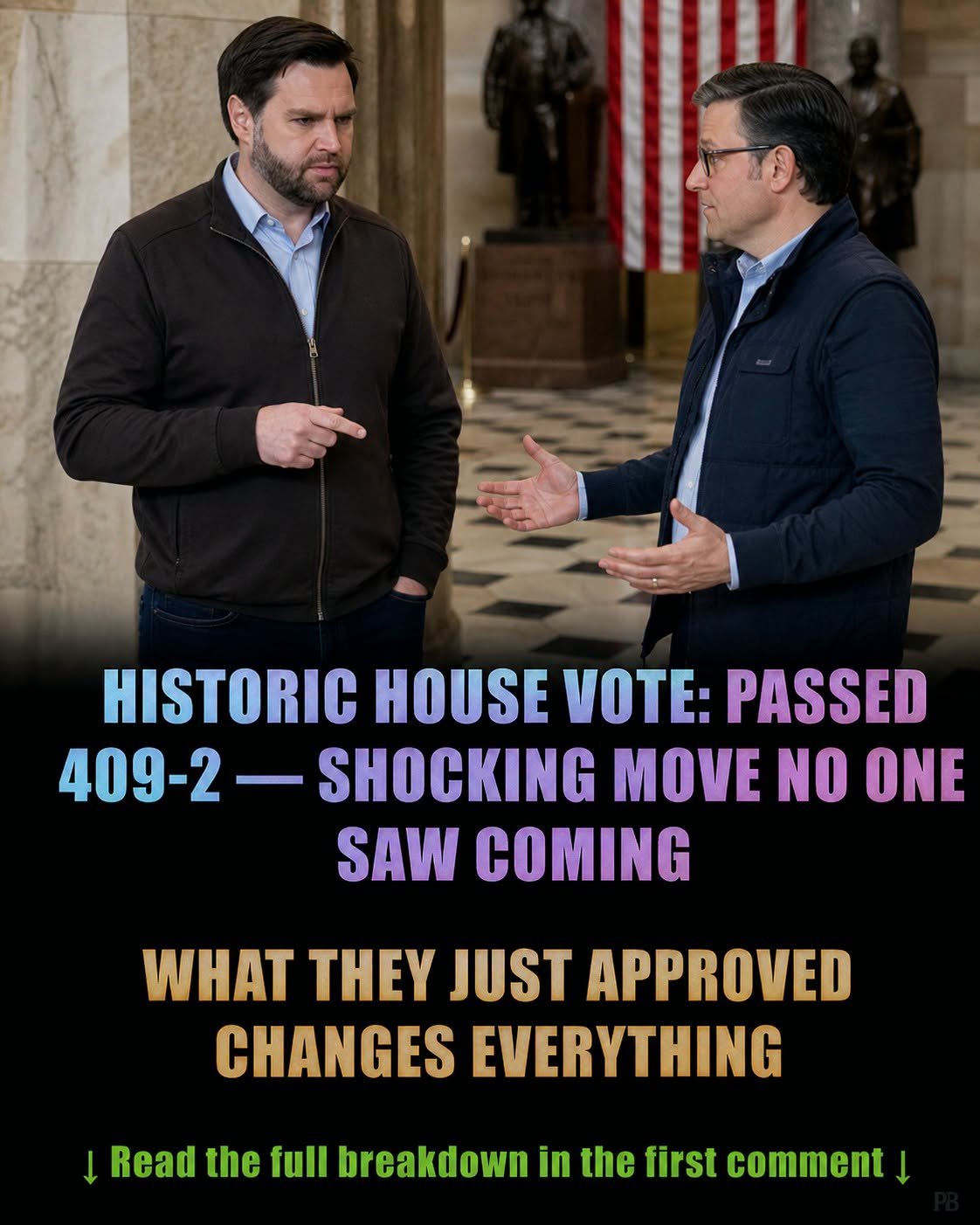
Yet beneath the overwhelming 409–2 vote, unease lingers. Free speech skeptics warn of a slippery slope, fearful that urgent protection could morph into broad censorship. Supporters counter that this bill is a narrow, necessary shield against a uniquely invasive violation. As the Senate takes up the measure, the country is forced to answer a stark question: in the age of AI, whose dignity is nonnegotiable, and who is left unprotected in the name of “freedom”?