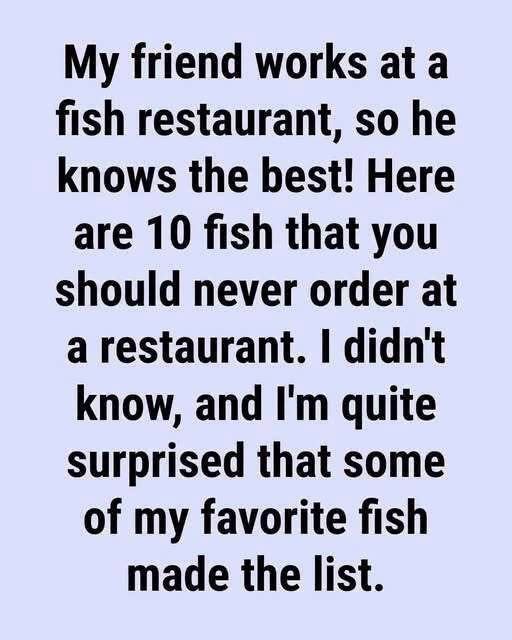

Every “no” you whisper to a menu item quietly redraws the map of the ocean. Refusing bluefin tuna, swordfish, orange roughy, and Chilean sea bass is not a lifestyle flex; it’s a direct hit on mercury-heavy species already staggering under decades of overfishing. Walking past imported shrimp, bargain-bin farmed salmon, tilapia, and Vietnamese catfish means stepping away from the antibiotic-soaked ponds, bulldozed mangroves, and invisible workers who make those prices possible.
Change doesn’t arrive as a perfect, plastic-free, zero-impact plate. It arrives as a pattern. Choosing wild Alaskan salmon over farmed Atlantic, Pacific cod over Atlantic, U.S. wild shrimp over anything just labeled “imported” starts to move money toward the few fisheries trying to hold a line. Letting low-mercury, low-impact powerhouses like mussels, sardines, anchovies, and carefully farmed trout dominate your table turns dinner into a quiet, relentless vote. You won’t save the ocean alone. But every time you lift your fork, someone, somewhere, is forced to listen.