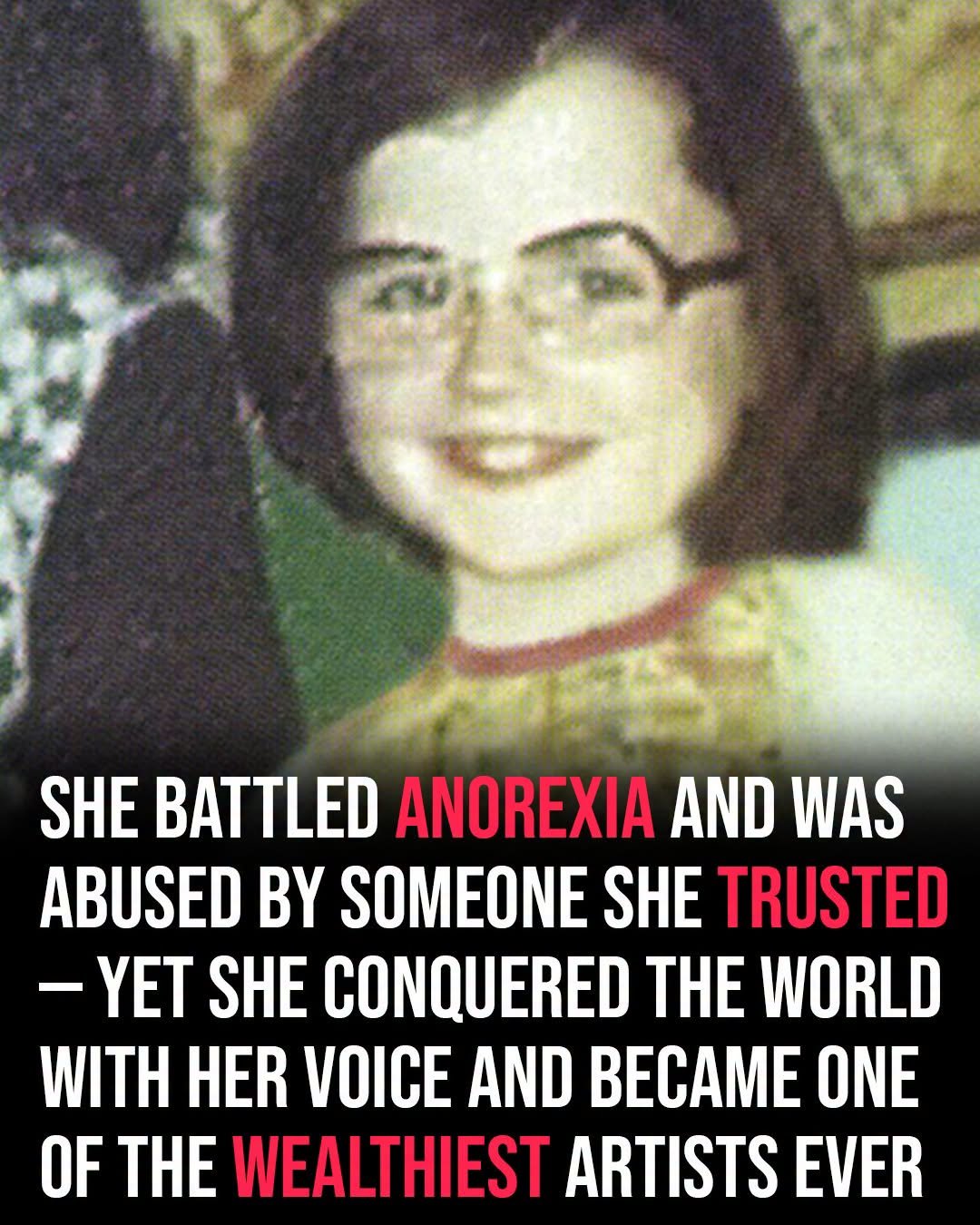

She began as a quiet child in a small Irish village, clutching a cheap keyboard like a lifeline, praying that music might carry her beyond the shadows she couldn’t name. It did, but every escape has its cost. The voice that blasted “Zombie” across continents was born from childhood trauma, religious shame, and a nervous system permanently tuned to alarm. She didn’t study war and grief as subjects; they were already carved into her.
As the crowds swelled, the fractures widened. Panic attacks backstage, blackouts in hotel rooms, and a brain she experienced as both enemy and engine. The bipolar diagnosis came late, after years of self-medication and spiritual searching. She tried to build a patchwork safety net: prayer, therapy, motherhood, retreats from the spotlight. It held sometimes, then tore without warning. That last night, she sounded hopeful, making plans, laughing. The world would later mistake that brightness for recovery, not realizing how often calm is just exhaustion in disguise. There was no final manifesto, only the truth she had always hidden in plain sight: songs where her voice broke, wavered, then rose again, revealing a woman both shattered and shining. Her life did not resolve into a neat lesson. Instead, it remains an echo—each replay of her music a reminder that some people survive for years on the thinnest edge between staying and letting go.