


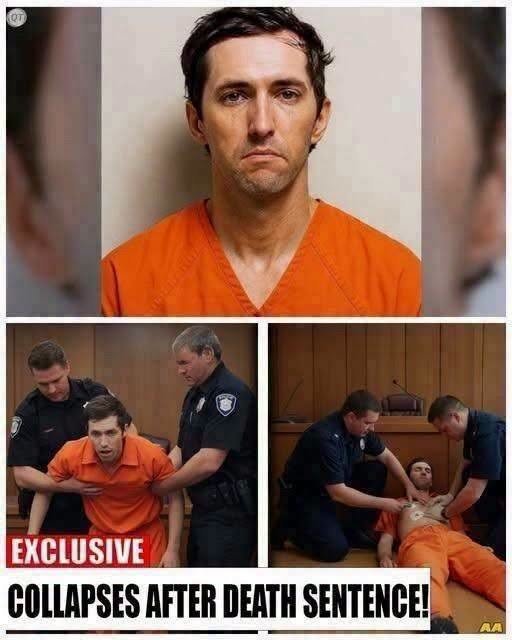

In the days that followed, the courtroom became less a place than a wound everyone carried with them. Those who had watched him crumple under the verdict found their own certainties quietly eroded. The law had spoken with its usual precision, yet the memory that lingered was not the language of statutes, but the raw, animal sound that escaped his throat as he reached for a life already slipping away. Justice, they realized, could be both necessary and unbearable at once.
For the families, the verdict did not erase their pain; it rearranged it. Some clung to the ruling as proof that the system still remembered their dead. Others lay awake at night, replaying the sight of a human being reduced to terror and disbelief in a matter of seconds. Over time, headlines moved on, but that moment did not. It remained, a silent question hanging over every future case: when we say justice has been done, what, exactly, have we broken to get there?