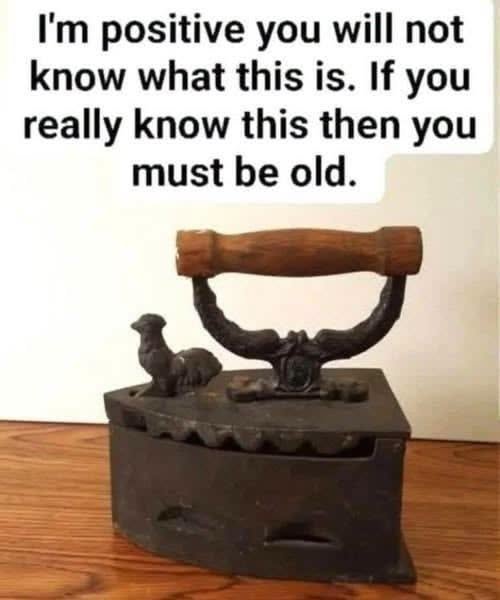

Long before electricity hummed through homes, the charcoal box iron turned raw fire into a controlled tool of domestic pride. Its hollow cast-iron body cradled red-hot embers, sending steady heat down to the soleplate while a carved wooden handle stayed miraculously cool. A simple hinged lid, often topped with a rooster-shaped latch, let users tend the coals like a tiny furnace, keeping the heat alive as piles of damp linen slowly transformed into crisp sheets and sharp collars.
Compared to the old “sad irons” that had to be endlessly reheated on a stove, this self-contained heater felt almost revolutionary. It freed laundresses from constant trips to the fire, even as they worked in sweltering rooms thick with smoke and steam. The charcoal box iron stood at a fragile crossroads—half primitive hearth, half modern appliance—quietly preparing the world for the flick of a switch.