


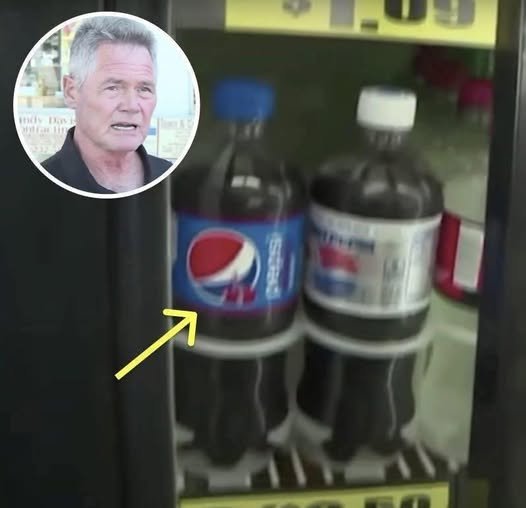

In the fall of 2018, a local business decision in Athens, Alabama, sparked national attention and community debate. S&Z Grocery, a neighborhood convenience store, made headlines after owner Phillip Stewart announced he would stop selling 20-ounce Pepsi and Diet Pepsi bottles featuring the NFL logo.
Stewart explained that his decision was rooted in personal conviction. At the time, the National Football League was at the center of widespread public discussion surrounding player protests during the national anthem. While Stewart acknowledged that the demonstrations had drawn attention to significant social issues, he stated that he disagreed with the manner in which the protests were carried out.
Because of that disagreement, Stewart said he could not, in good conscience, continue selling products prominently displaying the NFL logo. However, he clarified that his store would continue to carry other Pepsi products that did not feature league branding. The move was not a boycott of the beverage company itself, but rather a response to the logo partnership tied to the controversy.
The decision carried potential financial risks. Removing a nationally recognized brand display item from shelves in a small-town grocery store could mean reduced sales, especially during football season. Still, Stewart indicated he was prepared to accept that possibility in order to remain consistent with his beliefs.
Reaction within the community was mixed but largely supportive, according to local reports at the time. Some customers praised Stewart for standing by his principles, while others expressed differing views on the broader issue of athlete protests and free expression. The situation reflected the larger national divide that was playing out across media platforms, workplaces, and dinner tables around the country.
The story highlighted how national debates can ripple into small-town businesses, placing local owners at the intersection of commerce and personal conviction. For Stewart, the choice underscored a belief that even small business owners can exercise discretion over the products they choose to stock—particularly when branding intersects with issues they feel strongly about.
Years later, the incident remains an example of how cultural and political conversations can influence consumer behavior and retail decisions, even at the most local level.