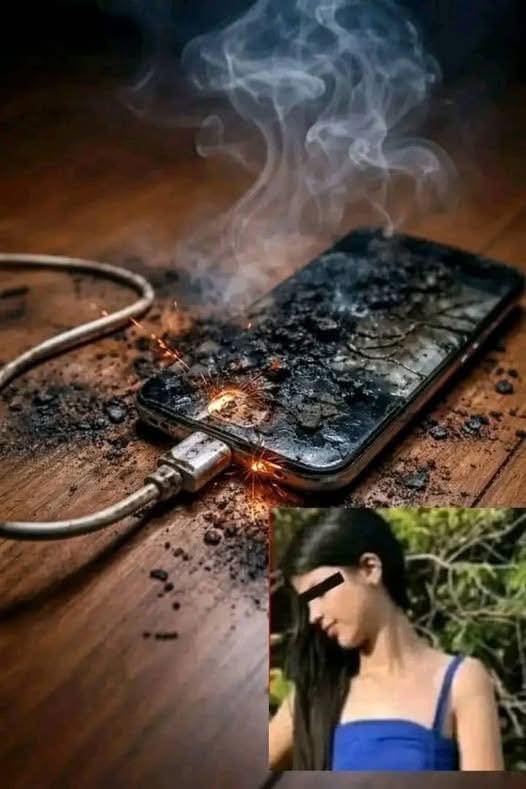

Safety experts are reminding users to pay closer attention to everyday charging habits, warning that common practices with phone chargers and power strips can increase the risk of overheating, electrical faults, and in rare cases, fire.
Many household hazards develop quietly through routine behavior, such as using frayed or damaged charging cables, placing chargers under pillows or blankets, or overloading power strips hidden behind furniture. While these setups may appear harmless, they can restrict airflow and place stress on electrical components, increasing heat buildup over time.
Specialists emphasize that chargers should always be treated as active electrical devices rather than simple accessories. Using certified adapters and reliable cables, avoiding makeshift repairs, and unplugging devices that are not in use are key steps in reducing risk.
They also advise ensuring that charging devices have adequate ventilation and are not covered by fabric, paper, or other insulating materials that can trap heat. Any charger or cable that emits unusual heat, odor, buzzing sounds, or visible damage should be replaced immediately.
While serious incidents remain relatively uncommon, safety guidance focuses on prevention through small, consistent habits that reduce unnecessary electrical strain and improve home safety.