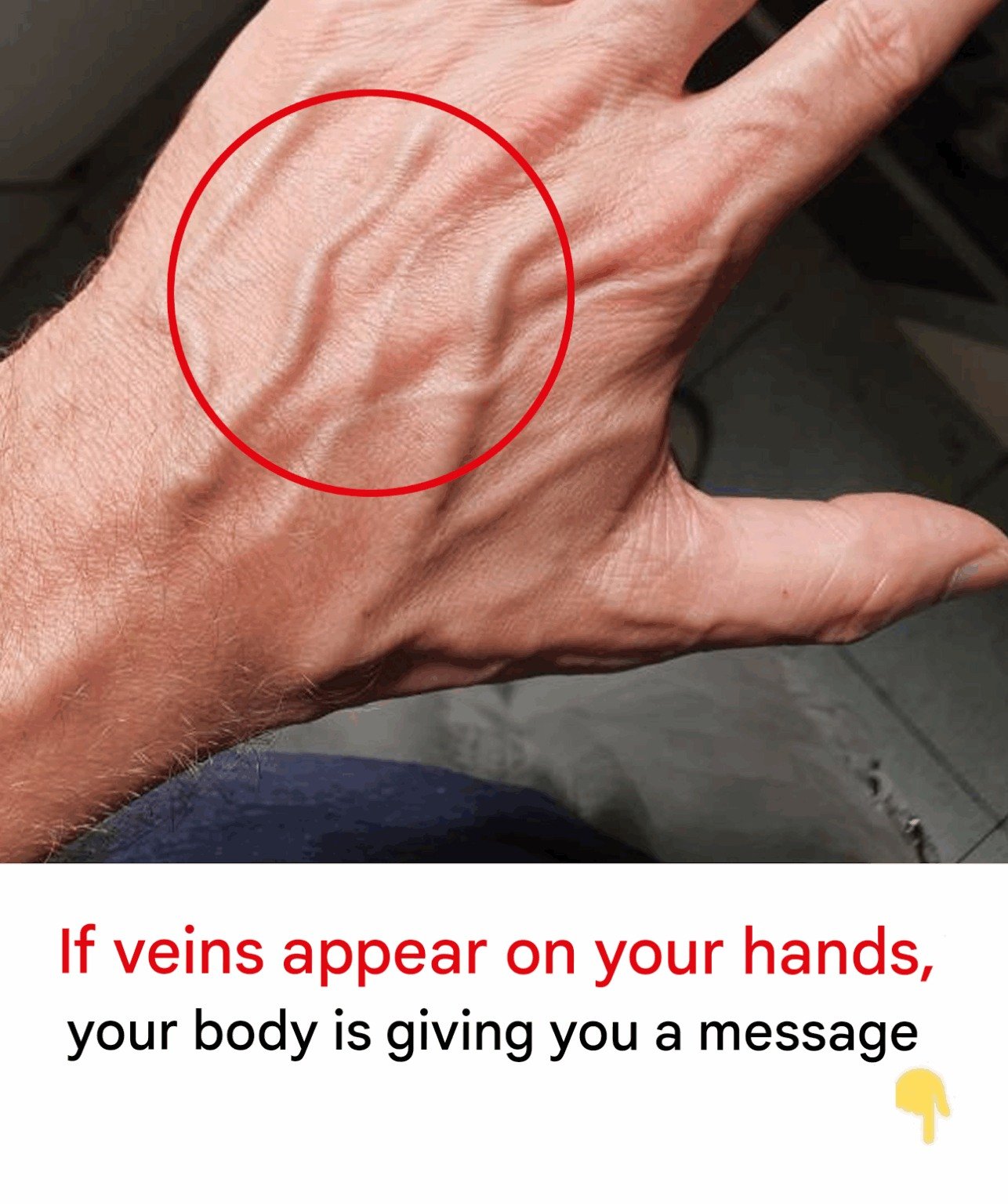

Noticing veins that suddenly seem more visible can be surprising. In many cases, it’s harmless—but sometimes it can signal an underlying issue. Here’s how to tell the difference.
Common (Usually Harmless) Reasons
Veins may appear more noticeable due to:
-
Exercise: Physical activity increases blood flow, causing veins to expand temporarily.
-
Heat: Warm weather or hot showers can dilate blood vessels.
-
Weight loss: Less body fat can make veins easier to see.
-
Aging: Skin naturally becomes thinner over time.
-
Genetics: Some people naturally have more visible veins.
If the veins are not painful and you feel well otherwise, these changes are often normal.
When to Pay Closer Attention
You should consider speaking with a healthcare professional if visible veins are accompanied by:
-
Pain, tenderness, or warmth in the area
-
Swelling in one limb (especially if sudden)
-
Skin discoloration or redness
-
A hard, cord-like vein
-
Shortness of breath or chest pain (seek urgent care)
These symptoms could indicate conditions such as varicose veins, inflammation of a vein (phlebitis), or in rare cases, a blood clot like deep vein thrombosis (DVT).
Who May Be at Higher Risk?
Certain factors can increase the likelihood of vein-related issues:
-
Prolonged sitting or standing
-
Recent surgery or injury
-
Pregnancy
-
Smoking
-
A personal or family history of blood clots
The Bottom Line
Suddenly visible veins are often harmless and related to everyday factors like activity level or body changes. However, if the appearance is paired with discomfort, swelling, or other unusual symptoms, it’s best to seek medical advice promptly.
If you’re unsure, a healthcare provider can evaluate your symptoms and recommend appropriate next steps. Early assessment offers peace of mind and ensures that any potential issues are addressed safely.