
Unplugging unused appliances may seem like a small habit, but experts say it can make a noticeable difference in both household safety and energy costs.
Many electronic devices continue using electricity even when they are turned off — a phenomenon commonly known as “phantom energy” or standby power. With dozens of appliances and chargers plugged in throughout the home, this hidden energy use can quietly add between $100 and $200 a year to the average household electricity bill.
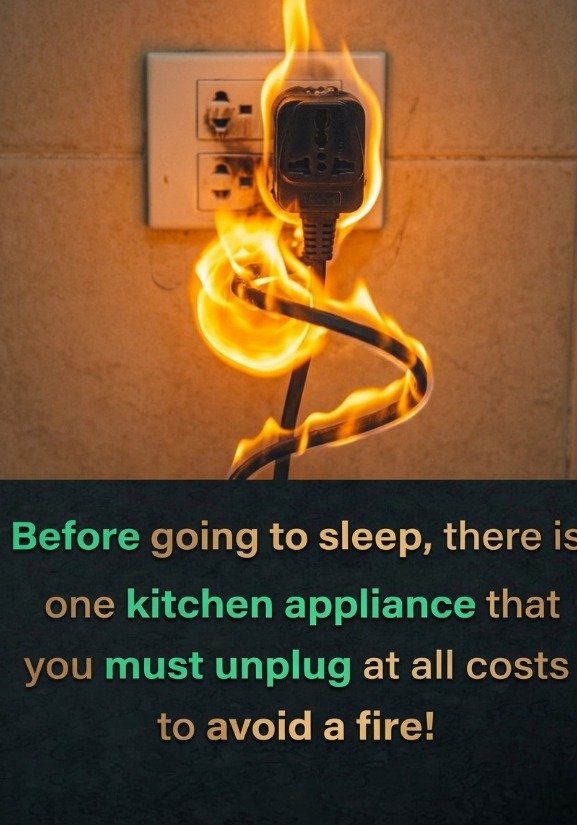
Beyond reducing energy waste, unplugging devices can also lower the risk of electrical hazards. Appliances that remain plugged in stay connected to live electricity, leaving them vulnerable to power surges, overheating, or internal malfunctions over time. In older homes especially, aging wiring and overloaded circuits can increase the risk of electrical fires.
Some household items pose greater risks than others.
Space heaters are among the leading causes of winter house fires because of the intense heat they generate. Experts recommend always unplugging them immediately after use and keeping them away from flammable materials.
Hair styling tools such as flat irons, curling wands, and blow dryers can also remain dangerously hot long after being switched off. Accidentally leaving them plugged in can increase the risk of burns or fires.
Kitchen appliances deserve attention as well. Toasters and toaster ovens can accumulate crumbs that may ignite unexpectedly, while coffee makers and microwaves continue drawing standby power to operate clocks, timers, and warming functions.
Everyday electronics are another major source of phantom energy. Televisions, gaming consoles, streaming devices, and phone chargers often remain in standby mode around the clock. Smart power strips can help reduce this unnecessary energy use by automatically cutting power when devices are inactive.
Experts say developing simple routines — such as unplugging appliances before bed, after use, or when leaving home — can lead to long-term savings and a safer living environment.
While unplugging every device may not always be realistic, prioritizing high-heat and high-energy appliances can significantly reduce fire risks, lower utility bills, and create a more energy-efficient household over time.