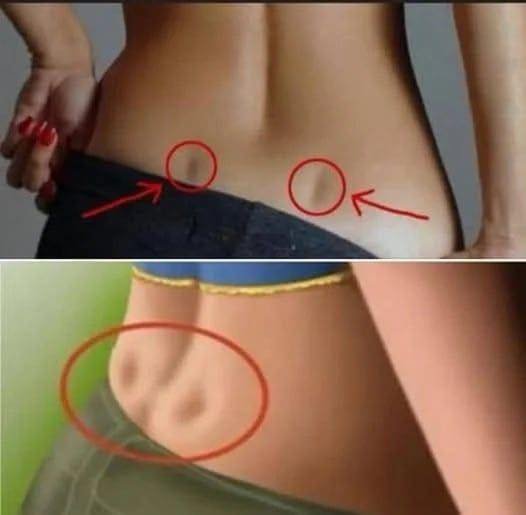

Lower Back Dimples Explained: What They Actually Indicate
Lower back dimples—often called Venus (or Apollo) dimples—are small, symmetrical indentations that appear just above the buttocks. While they often attract attention in fitness and social media spaces, they are frequently misunderstood. These dimples are not indicators of better health, attractiveness, or physical fitness; they are simply a natural variation in human anatomy that some people have and others do not.
Anatomically, these dimples form where the skin is more tightly connected to underlying pelvic structures. In certain individuals, the positioning of ligaments and bone creates slight inward depressions in the skin, making the dimples visible. This is largely determined by genetics and skeletal structure, meaning their presence cannot be controlled or developed through exercise, diet, or lifestyle changes.
That said, their visibility can vary. Lower body fat levels and increased muscle tone in the surrounding area may make natural contours more noticeable, but they only highlight what is already there. If the underlying anatomical structure doesn’t support it, lower back dimples will not appear—making them simply a benign and normal physical trait rather than a fitness goal.